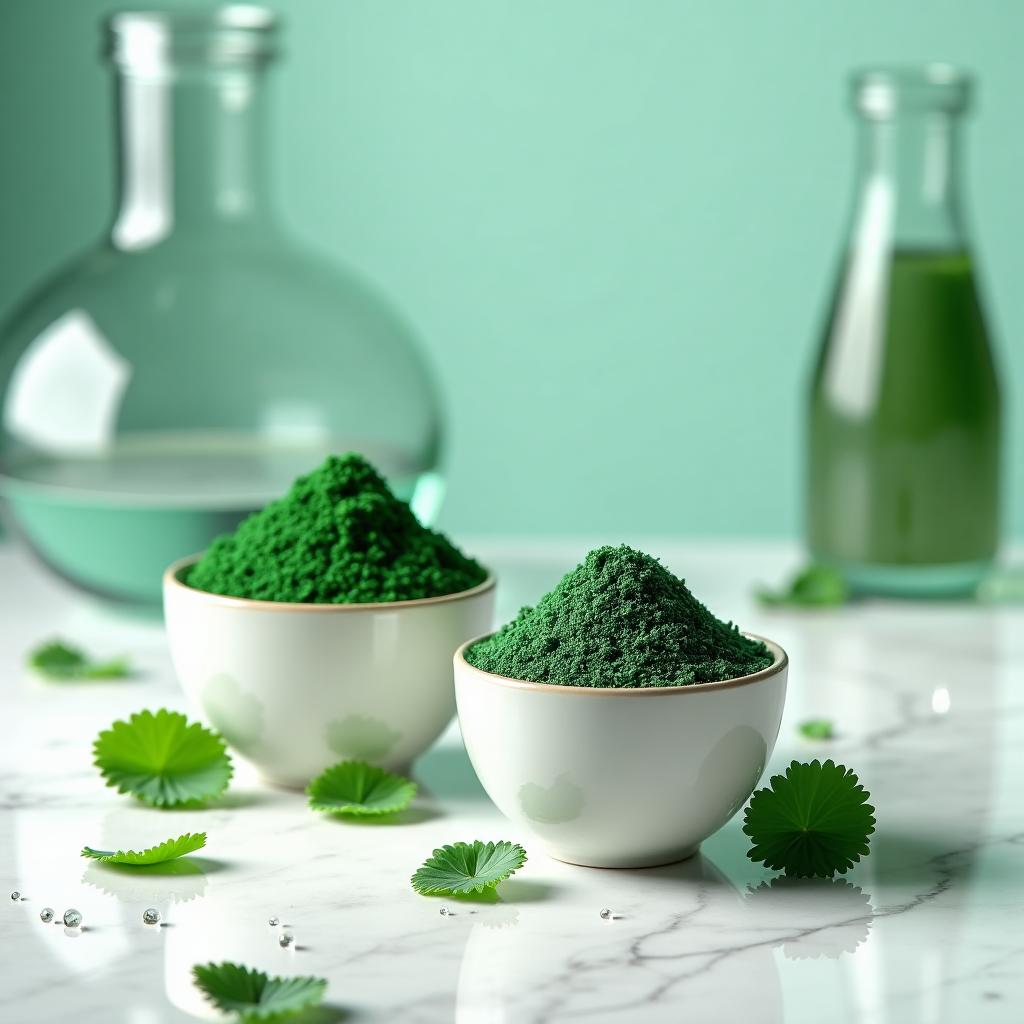
| Key Points | Details to Remember |
|---|---|
| 🟢 Definition | Chlorella: green microalgae, Spirulina: blue cyanobacteria |
| 🧪 Chelation Mechanism | Binding to metals and elimination via transit |
| 🌿 Health Benefits | Stimulated immunity, supply of proteins and antioxidants |
| ⚖️ Dosage | Gradual dosing requires individual adaptation |
| ⚠️ Side Effects | Bloating, risk of drug interactions |
| 💊 Accessibility | Powder or capsules, variable price and purity |
Heavy metal particles are everywhere: water, soil, air, or even heated plastic. Accumulated in the body, they disrupt the nervous system or liver. To lighten this toxic load, people often turn to chlorella or spirulina. These microalgae have gained considerable popularity among wellness enthusiasts, but how to know which to favor to effectively dislodge lead, cadmium, or mercury? Let’s dive into the details to guide you straightforwardly.
Sommaire
Why consider a heavy metal detox?
You may have already experienced unexplained fatigue, concentration difficulties, or recurrent headaches without an apparent cause. In many cases, the heavy metals angle sheds light. These toxic elements occur naturally, are released by industry, or deposit on crops. Their accumulation sometimes reaches harmful thresholds.
- Lead: batteries, old pipes, old paint.
- Mercury: fatty fish, chlorination plants, broken thermometers.
- Cadmium: phosphate fertilizers, industrial discharges, cigarettes.
A saturated body no longer eliminates these particles as well, and their effect manifests as oxidative stress, hormonal or digestive disturbances. Microalgae then come into play, acting as molecular sponges while providing a cocktail of beneficial nutrients. Understanding their mechanisms helps choose the one that best fits your needs.
Chlorella: characteristics and strengths
Nutritional composition
Chlorella comes in several species (notably Chlorella vulgaris and Chlorella pyrenoidosa), rich in chlorophyll, complete proteins, and fibers. This concentration gives it an intense emerald color. Essential for photosynthesis, chlorophyll captures certain metals and promotes cell regeneration. The essential amino acid profile in chlorella rivals that of soy or legumes.
Mechanism of action against heavy metals
One might think that simply swallowing green powder is enough to cleanse the body, but the reality is more subtle. The cell wall of chlorella has a fibrous structure capable of trapping certain metal ions. Once bound, the molecule remains trapped during the digestive process and is expelled with waste. Studies have shown a reduction in cadmium and lead levels in people who followed a chlorella-based protocol.
Dosage and precautions
Generally introduced gradually over two weeks, the dose ranges between 3 and 6 g per day for adults. In case of intestinal intolerance, the quantity is reduced to 1 g, then increased very slowly. It is advisable to avoid taking it just before a meal rich in iron or calcium, which could compete with chelation. Like any microalgae cure, it is not recommended for people on immunosuppressants or suffering from hyperthyroidism without medical supervision.
Spirulina: characteristics and effectiveness
Composition and nutritional profile
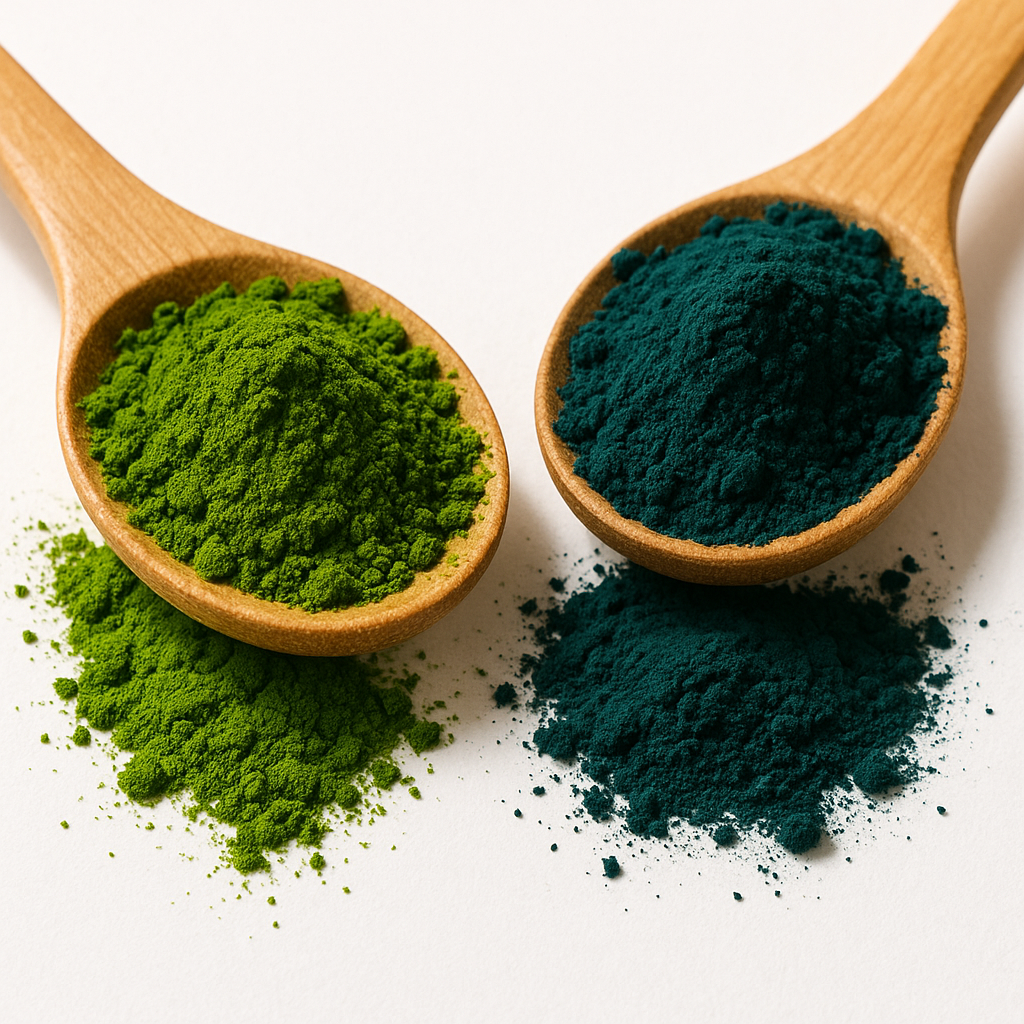
Spirulina, also called Arthrospira platensis, has a fine texture and a milder taste than chlorella. Its main asset is the phycocyanin pigments, responsible for its blue-green color. These bluish molecules have antioxidant and anti-inflammatory properties. At the same time, spirulina provides a complete spectrum of vitamins, minerals, and essential fatty acids.
Action on toxins and comparative image
Phycocyanins do not just neutralize oxidative stress; they also facilitate the excretion of certain pollutants, although their chelating power is somewhat less pronounced than that of chlorella. That is why, in a protocol dedicated to heavy metals, spirulina is sometimes used as a relay to support the liver and kidneys throughout detoxification.
Dosage and tolerance
One often starts with 2 g of spirulina per day, in two doses, then can increase up to 6 g depending on tolerance. The advantage is better acceptance by the digestive system and a taste that easily blends into a smoothie or yogurt. However, quality supplements can quickly become expensive, and any contamination by algal toxins remains a risk if the source is not carefully selected.
Chlorella vs Spirulina: comparison and selection criteria
| Criterion | Chlorella | Spirulina |
|---|---|---|
| Chelating power | High thanks to the cell wall | Moderate, focused on oxidative stress |
| Nutritional profile | Proteins + chlorophyll | Proteins + phycocyanins |
| Flavor | Strong vegetal taste | Milder and slightly marine flavor |
| Price | Affordable, wide quality range | Variable, often higher |
| Tolerance | More frequent digestive effects | Generally well tolerated |
Usage scenarios
For intensive cleansing or after industrial exposure, favor chlorella in a short and progressive cure. If you want continuous liver support, or your goal is overall revitalization, spirulina integrates more easily into daily life. And if you feel like it, a harmonized duo (starting with chlorella, followed by spirulina) offers a complete spectrum of protection and recovery.
Precautions and Practical Advice
- Favor authenticated brands, from controlled cultivations to avoid metals and microcystins.
- Drink plenty of water to aid transit and the elimination of trapped toxins.
- Monitor your overall protein intake to avoid overloading filtering organs.
- Remember to space out the intake of supplements and other minerals to avoid absorption competition.
- Consult a healthcare professional if in doubt, especially if you are following a specific treatment.
Frequently Asked Questions
1. How long should a chlorella or spirulina cure last?
Generally count on 4 to 8 weeks. The protocol can be adjusted based on tolerance and results. Blood or urine monitoring helps refine the duration.
2. Can chlorella and spirulina be combined from the start?
Yes, but it is better to start with chlorella alone for two weeks, then gradually introduce spirulina. This approach avoids digestive overload and maximizes effectiveness.
3. Known interactions with other supplements or medications?
Microalgae can hinder the absorption of certain minerals (iron, zinc). However, they do not directly interact with most medications, but any particular situation deserves medical advice.