| Key Points | Details to Remember |
|---|---|
| 🍃 Definition | Extract from seeds or fruits rich in fatty acids and vitamins |
| 💧 Main Benefits | Hydrates, repairs, and protects the skin barrier |
| ⚖️ Composition | Omega-6, omega-9, polyphenols, vitamin E |
| 🌡️ Texture & Absorption | Light or denser depending on the type of oil |
| 📝 Indications | Dry, dehydrated, mature, or sensitive skin |
| 🔬 Applications | Daily care, serums, masks, or massages |
| 🌿 Accessibility | Price and origin influence quality |
Choosing the best vegetable oil for your skin involves understanding both its composition and effects. While some oils mainly act as emollients, others stand out for targeted active ingredients – antioxidants, healing agents, or anti-aging properties. Through this comparison, we will review the most renowned oils and focus on prickly pear, often overlooked due to lack of knowledge yet precious for skin care.
Sommaire
Why Consider Vegetable Oils for Skin Care?
A Natural Cocktail of Active Ingredients
Each vegetable oil contains a unique blend of lipids, vitamins, and phenolic compounds. These elements work synergistically: essential fatty acids reorganize the intercellular cement while vitamin E and polyphenols protect against oxidative stress. Thus, far from being simple fats, oils play an active role in skin repair and strengthening.
Selection Criteria
To choose an oil, watch for:
- The proportion of omega-6 and omega-9, crucial for the fluidity of the cell membrane.
- The antioxidant content, a guarantee of protection against free radicals.
- The texture: highly absorbed or with a slightly occlusive effect.
- Skin tolerance and allergy risk.
Comparison of Five Key Vegetable Oils
| Oil | Fatty Acids | Particularity | Recommended Skin Types |
|---|---|---|---|
| Argan | Omega-6, omega-9 | Strong antioxidant power | Dry, mature |
| Jojoba | Monounsaturated (liquid wax) | Mimics sebum, regulates | Combination to oily |
| Rosehip | Omega-3, omega-6 | Regenerates and heals | Marks, scars |
| Avocado | Omega-9, vitamin A | Nourishing and softening | Dry, mature |
| Prickly Pear | Omega-6, vitamin E, sterols | Ultra-antioxidant, firming | Dry, mature, sensitive |
Focus on Prickly Pear Oil
An Exceptional Composition
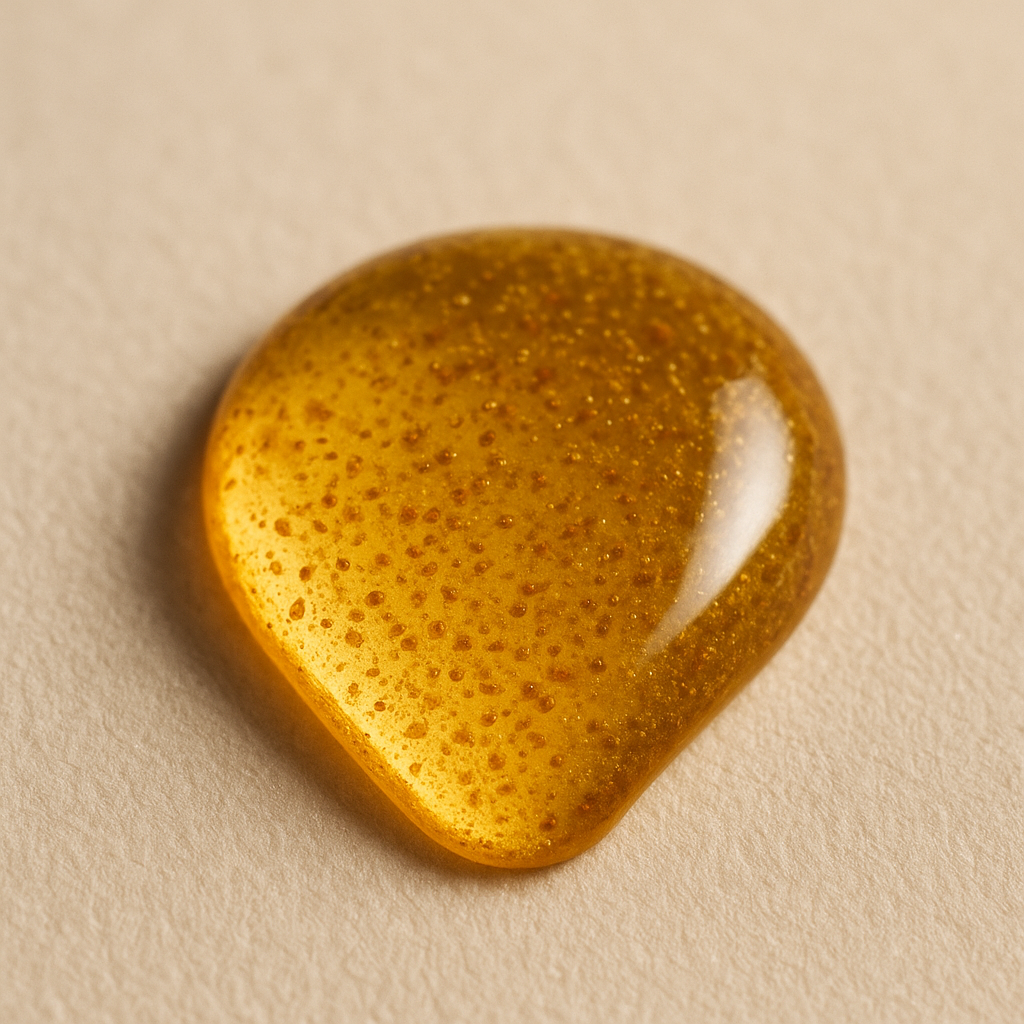
Derived from the cold pressing of seeds, this elixir contains more than 70% polyunsaturated fatty acids – mainly linoleic acid. It also concentrates vitamin E in the form of tocopherols and plant sterols. These molecules provide both anti-inflammatory action and a remarkable ability to counteract wrinkle formation by releasing their antioxidant potential.
Skin Properties
Prickly pear oil acts on several levels:
- Deep hydration thanks to the restoration of the lipid cement.
- Firming by stimulating collagen synthesis.
- Soothing redness and tightness – particularly bilateral for sensitive skin.
How to Use
Just a few drops are enough. It is preferable to apply it on slightly damp skin to facilitate penetration. In a treatment lasting two to four weeks, morning and evening, it blends easily with your usual cream or serum.
How to Integrate Prickly Pear Oil into Your Routine?
To take advantage of its virtues, here are some tips:
- Add 2 to 3 drops to your daily antioxidant serum.
- Prepare a night mask by mixing the oil with vegetable glycerin.
- Use around the eyes by tapping very gently.
- Combine with a neutral base for a reparative body care.
FAQ on Vegetable Oils
1. Which vegetable oil for skin prone to blackheads?
The light texture of jojoba oil regulates sebum and limits pore blockage without drying out.
2. Can several vegetable oils be mixed?
Yes, the complementary omegas of two or three oils can act synergistically. It is still recommended not to exceed 10 ml in total per application.
3. Is prickly pear oil suitable for young skin?
It is tolerated, but its antioxidant richness will be especially beneficial from the appearance of the first signs of aging.
4. How to store these oils?
Always away from light and heat. Preferably in a tinted glass bottle, and to be used within six to twelve months after opening.
5. Can it be used during pregnancy?
No known contraindications for prickly pear oil, but a tolerance test on the forearm is still recommended.