Chronic inflammation affects an increasing number of people, sometimes insidiously, manifesting as joint pain, troublesome digestion, or even persistent fatigue. Among natural remedies, the turmeric-black pepper combination stands out. One might think it’s enough to add a pinch of these spices to a dish, but in reality, it’s not that simple: dosages, preparation methods, and storage make all the difference. This tutorial proposes to explore each step, illustrate with tables, and offer advice to optimize the absorption of curcumin, the key active ingredient in turmeric.
Sommaire
Understanding the turmeric-black pepper combination
Curcumin: a multifaceted asset
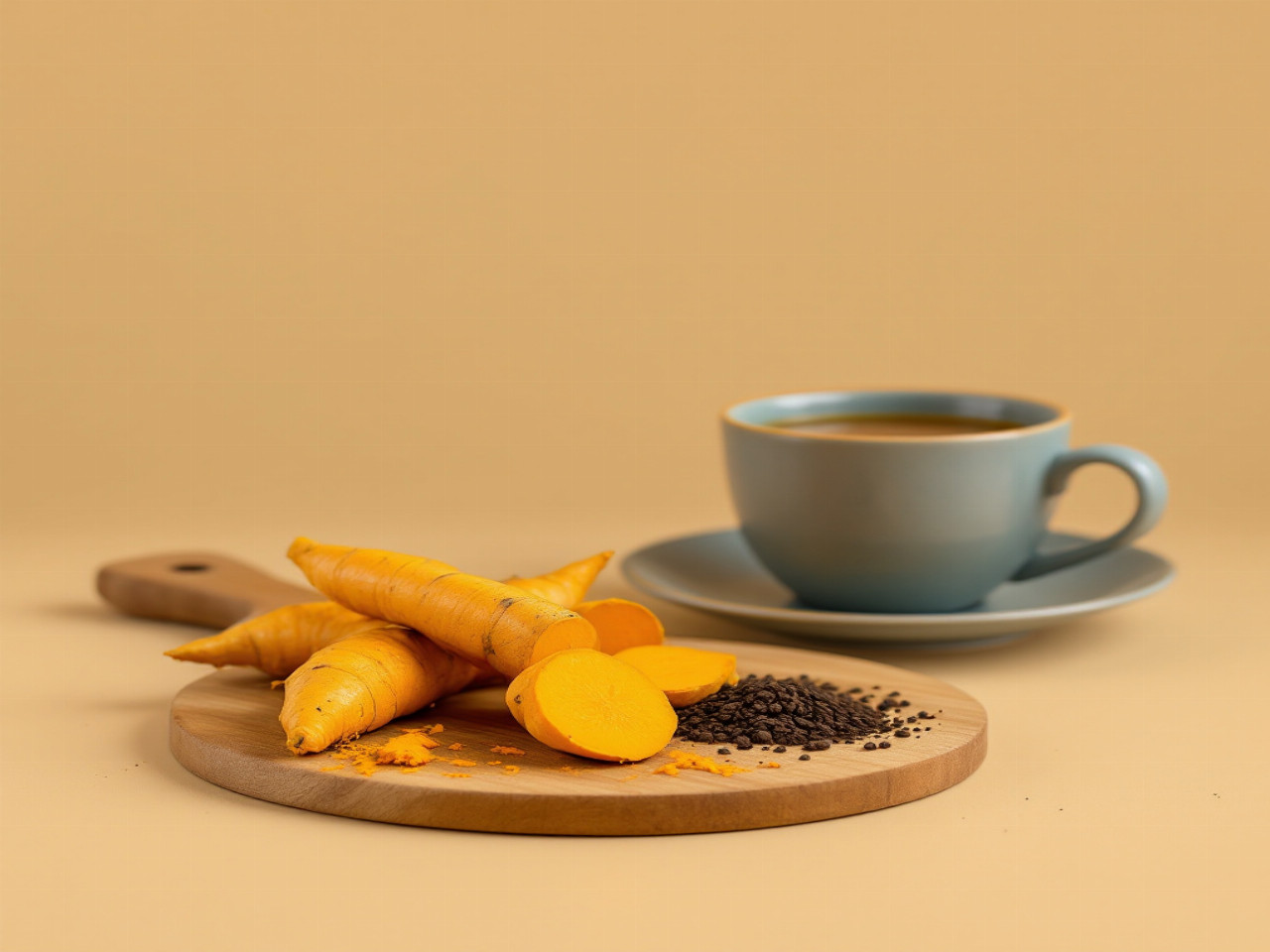
Extracted from the turmeric root (Curcuma longa), curcumin is recognized for its antioxidant and anti-inflammatory properties. Studies show that it modulates certain pro-inflammatory cytokines, acting somewhat like a brake on excessive immune system reactions. Regarding its bioavailability, it remains relatively low in its raw state: only a tiny portion is absorbed by the body.
Why black pepper? The role of piperine
Black pepper contains piperine, an alkaloid capable of increasing the intestinal absorption of curcumin by nearly 2000%. This synergy is fascinating: while curcumin fights inflammation, piperine works behind the scenes to amplify its impact. Moreover, piperine also improves digestion and bile secretions, enhancing the overall benefit of the preparation.
Ingredients and necessary equipment
Choose quality above all. Prefer turmeric from organic farming, rich in curcumin (between 3% and 6%), and freshly ground black pepper to ensure optimal piperine.
| Ingredient | Quantity for 100 ml | Function |
|---|---|---|
| Turmeric powder | 10 g | Source of curcumin |
| Ground black pepper | 0.25 g (about 1 pinch) | Source of piperine |
| Vegetable oil (olive, coconut) | 10 ml | Facilitates lipid assimilation |
| Warm water | 90 ml | Preparation medium |
- A small whisk or wooden spoon
- A glass jar with lid
- A fine sieve (optional)
- A precision scale
Detailed preparation steps
Step 1: Precise spice dosing
There is another way to measure your spices if you don’t have a scale: use a measuring spoon (coffee measure), each spoon roughly equivalent to 5 g of turmeric. For pepper, a simple pinch is enough, but make sure it is evenly distributed. Excessive dosing does not necessarily strengthen the effect and can irritate the stomach in sensitive individuals.
Step 2: Gentle heating and mixing
Pour the warm water into the jar, add the oil, turmeric, and pepper. Close then shake vigorously for one minute to thoroughly disperse the particles. Optionally, gently heat in a bain-marie (never exceed 40 °C) to aid dissolution. This often overlooked step maximizes contact between piperine and curcumin.
Step 3: Filtration and storage
After 15 minutes of rest, you can filter the preparation to remove coarse residues. Transfer into a clean jar, store in a cool place away from light. Generally, a cure should not exceed four weeks to avoid any habituation effect. It follows that freshness of the preparation is key: renewing the potion weekly guarantees maximum active content.
Additional tips for optimal effectiveness
Beyond the basic formula, several tips can make a difference. First, taking the preparation on an empty stomach promotes faster absorption. Then, pairing with a meal slightly rich in fats (avocado, eggs, fatty fish) creates a favorable environment for curcuminoids. For those who want variety, part of the water can be replaced with a fresh ginger infusion: this adds spicy notes and enhances the anti-inflammatory action.
“Modern science rediscovers every day the ancestral virtues of turmeric, but without piperine, its potency remains largely underexploited.” – Dr. Hélène Martin, nutritionist.
Precautions and contraindications
While most people tolerate this treatment well, some cases require caution. People suffering from gastroesophageal reflux or gastric ulcers should reduce the frequency and concentration. Anticoagulants can interact with curcumin, increasing the risk of bleeding. In case of doubt, it is better to consult a doctor and perform a tolerance test: start with a reduced dose (5 g of turmeric per 100 ml) for one week.
FAQ
What is the ideal duration for a turmeric and black pepper treatment?
Four weeks is generally recommended, renewable after a two-week break. This alternation prevents tolerance and preserves the efficacy of the active ingredients.
Can the treatment be prepared in advance?
Yes, up to one week in the refrigerator. Beyond that, the curcumin content may slightly decrease, and the flavors may change.
Is the taste too strong? How to soften it?
To reduce bitterness, add a small touch of honey or mix the preparation into plain yogurt. Coconut oil also provides a subtle sweetness.
Is this treatment suitable for children?
For younger children (from 6 years old), halve the dosage and consult a pediatrician if there is concurrent treatment.
Are there alternatives to piperine?
Sunflower lecithin or MCT oil can help, but none truly matches piperine for curcumin. If you avoid pepper, favor these lipids to promote better solubility.