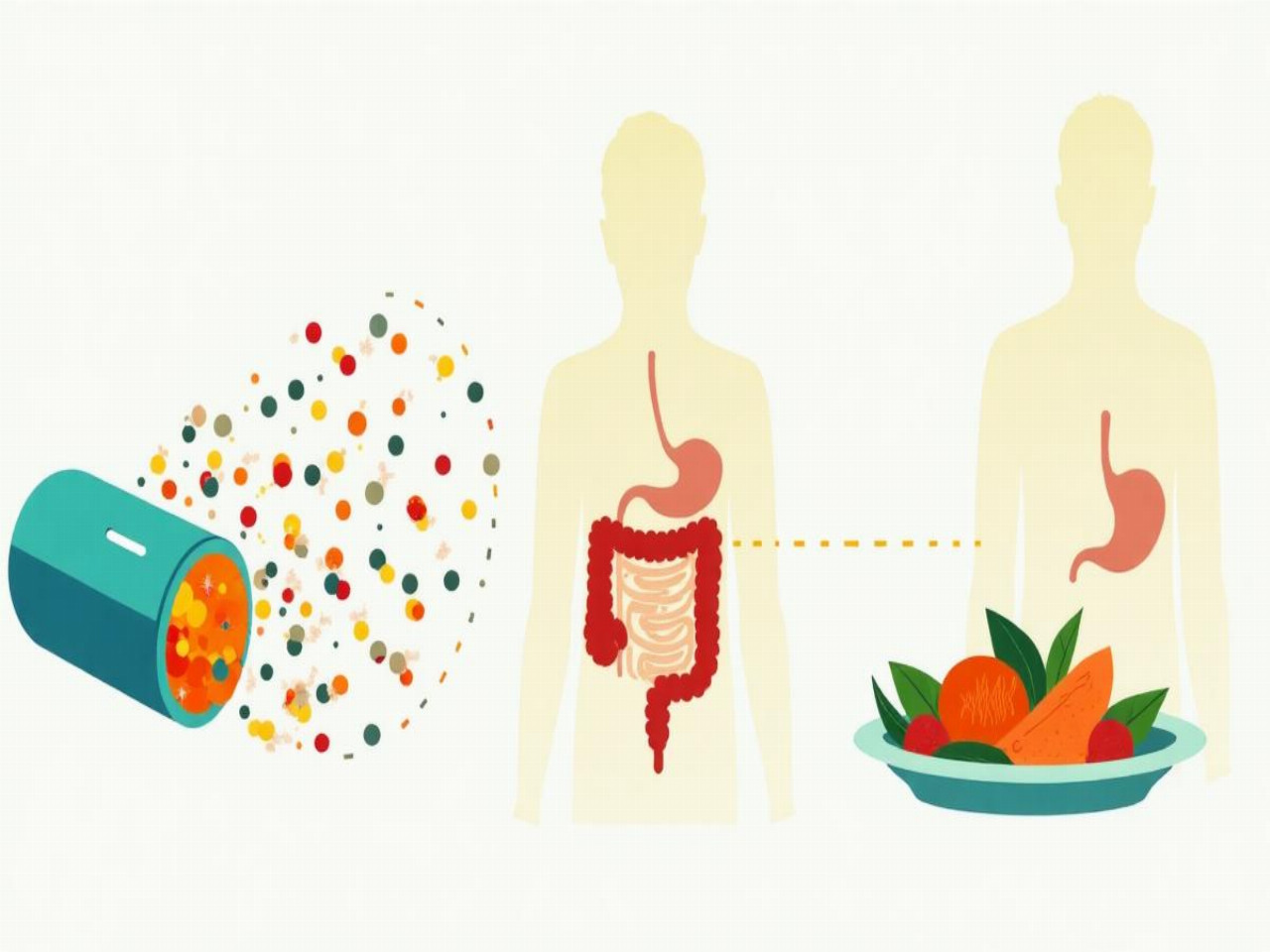
Our gut houses a complex ecosystem of 100 trillion microorganisms – bacteria, viruses, and fungi – that continuously interact with our body. This gut microbiota, formerly called intestinal flora, functions as a true organ in its own right. Its imbalances, called dysbioses, are now associated with digestive disorders but also with extra-intestinal diseases such as obesity or autoimmune diseases. In this context, probiotics have emerged as valuable allies to restore microbial harmony. But how do these living microorganisms really influence our intestinal ecosystem? Which strains should be chosen for specific symptoms? And above all, how to distinguish marketing promises from truly clinically validated benefits?
Sommaire
In brief
🧫 Probiotics are living microorganisms that, when ingested in adequate amounts, confer a health benefit. Their effectiveness depends on the specific strain – not all are equal.
⚖️ They act through spatial competition with pathogens, strengthen the intestinal barrier, and modulate the immune system, 70% of which is located in the intestine.
✅ Their benefits are proven against antibiotic-associated diarrhea (60% reduction according to INSERM), bloating, and irritable bowel syndrome (relief in 50% of patients).
🔬 Key strains: Lactobacillus rhamnosus GG for diarrhea, Bifidobacterium lactis for constipation, Saccharomyces boulardii as an anti-infective.
🔬 What is a probiotic?
The WHO defines probiotics as “live microorganisms which, when administered in adequate amounts, confer a health benefit on the host.” This simple definition masks a complex biological reality. To earn this designation, a bacterium or yeast must pass through the stomach (pH 1.5 to 3), resist bile salts, adhere to the intestinal mucosa, and above all, demonstrate documented physiological effects in clinical studies. This last point is crucial: the properties are strain-dependent. A Lactobacillus plantarum will not have the same effects as a Lactobacillus acidophilus.
The microbial ecosystem: probiotics, prebiotics, postbiotics
Probiotics are radically different from prebiotics – non-digestible fibers (inulin, FOS) that feed the good bacteria already present. As for postbiotics, these are the beneficial metabolites produced by probiotics: short-chain fatty acids, enzymes, or antimicrobial peptides. These three components form a synergistic trio. Supplements combining probiotics and prebiotics are called synbiotics – they enhance the implantation of beneficial strains.

🧬 How do probiotics act on the gut flora?
The action of probiotics resembles a law enforcement operation in a microbial city. Their first mechanism is competitive exclusion: they occupy adhesion sites on the intestinal epithelium, depriving pathogens of anchoring points. Some strains secrete bacteriocins – natural antibiotics – such as nisin produced by Lactococcus lactis, effective against Listeria and Staphylococcus.
Intestinal barrier and immunity
Probiotics strengthen the intestinal barrier by stimulating the production of mucus and tight junctions between enterocytes. An INRAE study showed that Bifidobacterium infantis increases the expression of occludin proteins by 40%. At the same time, they modulate local immunity: the dendritic cells of Peyer’s patches interpret bacterial signals to balance the inflammatory response. This is why certain strains like Lactobacillus casei Shirota reduce pro-inflammatory cytokines in patients with Crohn’s disease.
| Mechanism of action | Exemplary strains | Measurable impact |
|---|---|---|
| Spatial competition | Lactobacillus reuteri | 70% reduction in E. coli adhesion |
| Barrier reinforcement | Bifidobacterium bifidum | +30% tight junction proteins |
| Immune modulation | Lactobacillus rhamnosus GG | Regulation of regulatory T lymphocytes |
✅ Proven benefits of probiotics for gut flora
Research has validated several key indications where probiotics demonstrate efficacy superior to placebo. Their major asset: prevention and treatment of antibiotic-associated diarrhea. A Cochrane meta-analysis of 23 studies concludes that Saccharomyces boulardii and Lactobacillus rhamnosus GG reduce this risk by 60%. The mechanism? They preserve microbial diversity attacked by antibiotics.
Irritable bowel syndrome (IBS)
Nearly 50% of patients suffering from IBS see their symptoms improve with targeted probiotics. The combination Bifidobacterium infantis 35624 (patented strain Align®) specifically reduces abdominal pain and bloating by normalizing the pro/anti-inflammatory cytokine ratio. For constipation-dominant IBS, Bifidobacterium lactis DN-173 010 (found in Activia®) accelerates transit time by 20% according to medical imaging studies.
“Probiotics act like microbial diplomats: they negotiate a truce in the inflammatory environment of irritable bowel” – Prof. Harry Sokol, gastroenterologist at Saint-Antoine Hospital.
🧪 Which strains to choose?
The selection of a probiotic should never be random. Here is a guide based on the best-documented strains:
- Infectious diarrhea: Saccharomyces boulardii CNCM I-745 (ultralevure®) reduces the duration of gastroenteritis by 24 hours on average
- Chronic constipation: Bifidobacterium lactis BB-12® improves stool frequency in 89% of patients according to a double-blind study
- Postprandial bloating: Lactobacillus acidophilus NCFM® decreases intestinal gas production
- Antibiotic therapy: Lactobacillus rhamnosus GG (LGG®) prevents antibiotic-associated diarrhea
Beware of products displaying astronomical figures of “billions of CFU”: what matters is the survival of strains until the intestine. Micro-encapsulation technologies (resistant to gastric acidity) and refrigeration are often guarantees of superior quality.
💊 In what forms to consume them?
Probiotics come in three main forms, each with its advantages:
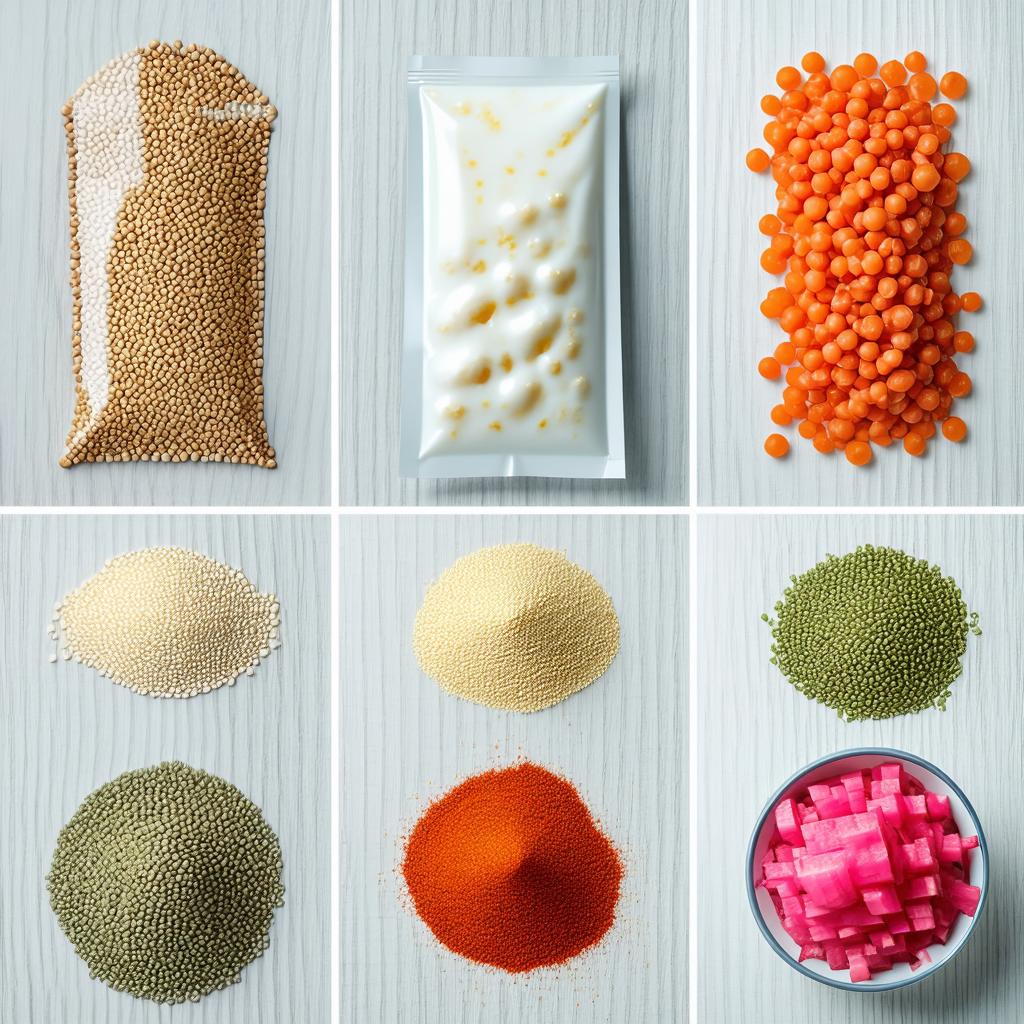
Dietary supplements (capsules, sachets) offer high concentrations (10⁹ to 10¹¹ CFU/dose) and specific strains. Yogurts and fermented milks provide more modest doses but with the advantage of a protective food matrix. As for traditional fermented products (kefir, kimchi), they contain complex but non-standardized microbial communities.
Practical advice
- Minimum duration: 4 weeks to observe effects on transit
- Best time: during meals (the food buffer protects from gastric acids)
- Storage: respect the cold chain for fragile strains (check packaging)
⚠️ Contraindications and side effects
For the majority of people, probiotics are well tolerated. Some temporarily experience bloating during the first week – a sign that the microbiota is readjusting. But precautions are necessary:
- Severe immunosuppression (chemotherapy, advanced AIDS): theoretical risk of bacterial translocation
- Acute pancreatitis: absolute contraindication for yeasts
- Central venous catheters: avoid Saccharomyces boulardii (risk of fungemia)
Patients with artificial heart valves should consult their cardiologist before any prolonged course. In all cases, starting with low doses allows evaluation of individual tolerance.
❓ FAQ
Can probiotics be taken all year round?
Yes, but in courses of 3 to 6 months interspersed with breaks. Our microbiota has a certain inertia: benefits persist several weeks after stopping. A study on athletes showed that 12 weeks of supplementation maintained immune effects 8 weeks post-course.
Are all probiotics effective?
No, and this is the major pitfall. Only strains documented in clinical studies on humans provide guarantees. Beware of generic products “mix of 10 strains” without precise references. EFSA has rejected more than 300 health claims for lack of sufficient evidence.
When are the first effects felt?
For acute digestive disorders (diarrhea), effects are noticeable within 24-48 hours. For chronic disorders (bloating, IBS), expect 2 to 4 weeks. Microbiota balance is a gradual process requiring durable colonization.
✅ Conclusion
Probiotics represent a major advance in the approach to intestinal imbalances, provided they are used with discernment. Their effectiveness rests on three pillars: selection of strains documented for your specific disorder, manufacturing quality ensuring their digestive survival, and an appropriate duration of use. Rather than relying on marketing arguments, demand strain codes (such as Lactobacillus rhamnosus GG® or Bifidobacterium animalis DN-173 010) and clinical study references. Your pharmacist or nutritionist can guide you towards products whose effectiveness goes beyond the simple placebo effect. The era of personalized microbiota is opening before us – probiotics are its first ambassadors.