
Sommaire
Probiotics: When Do the First Effects Appear?
You have just started a probiotic course and are watching for the slightest sign of improvement? Like many, you are probably wondering how long you will have to wait before feeling the benefits. The answer is not straightforward: it depends on your initial microbiota, the strains chosen, and even your health goals. Let’s dive into the fascinating mechanisms of these microscopic allies to understand their unique chronobiology.
In Brief
⏱️ Variable delays: From 24 hours to 8 weeks depending on the targeted condition. The first noticeable signs generally appear between 72 hours and 2 weeks for mild digestive disorders.
🔬 Invisible effects before symptoms: Bacterial colonization begins within 48 hours but deep metabolic rebalancing takes weeks (study from Cell Host & Microbe on microbiota modulation).
⚖️ Key factors for effectiveness: The chosen strain (Lactobacillus rhamnosus GG acts faster than Bifidobacterium longum), the initial state of the flora, and the pharmaceutical form radically influence the response speed.
🩺 Special situations: After antibiotics, improvements occur within 3-5 days. For irritable bowel syndrome (IBS), studies note significant effects around the 4th week.
The 5 factors that dictate the speed of action of probiotics
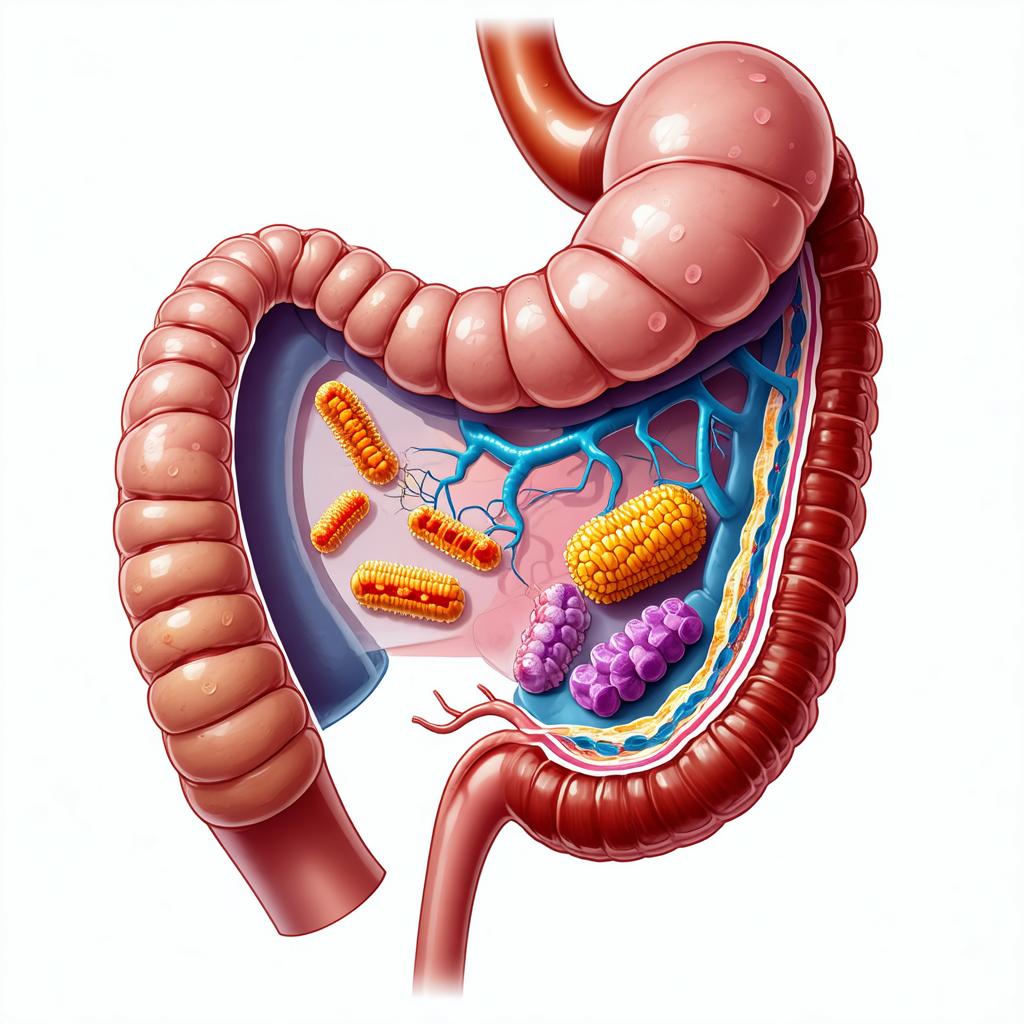
Imagine your microbiota as a tropical forest: some areas are devastated by storms (antibiotics), others simply unbalanced by invasive species. The speed of recolonization depends on this initial landscape. A study published in Nature Microbiology shows that carriers of poorly diversified microbiotas respond more slowly – sometimes up to twice as long.
Strain selection: it’s all about specificity
Take Saccharomyces boulardii against diarrhea: its action is almost immediate (24-72h) because it acts as an intestinal shield. Conversely, Bifidobacterium infantis for IBS requires at least 3 weeks to modulate chronic inflammation. Each strain is a specialized tool with its own tempo.
The crucial importance of formulation
A gastro-resistant capsule protects bacteria from stomach acid: up to 90% reach the intestine compared to 20% for classic powders (report from the EFSA). This difference directly impacts the speed of action. Refrigerated probiotics also maintain more stable bacterial concentrations.
Your lifestyle: accelerator or brake
A diet rich in fiber (prebiotics) literally feeds probiotics. Conversely, alcohol or chronic stress slow down their implantation. Research shows that a diverse diet can shorten the effectiveness delay by 30%.
Concrete delays by pathology: what studies say
Irritable bowel syndrome (IBS)
Ford’s meta-analysis (2018) pooling 53 studies reveals that:
- Reduction of bloating: noticeable effects from the 2nd week
- Overall symptom improvement: peak effectiveness at 4-6 weeks
- Fastest strains: Bifidobacterium infantis and multi-strain combinations
Intimate issues (bacterial vaginosis, yeast infections)
Lactobacillus crispatus acts in 5 to 7 days according to the Journal of Clinical Microbiology. Its secret? It produces hydrogen peroxide which quickly acidifies the vaginal environment. Short courses (7 days) show effectiveness comparable to long treatments.
Infectious or post-antibiotic diarrhea
Here, the speed is spectacular:
| Situation | Strain | Average delay |
|---|---|---|
| Traveler’s diarrhea | S. boulardii | 24-48h |
| Post-antibiotic diarrhea | L. rhamnosus GG | 3-5 days |
Perceived effects vs biological changes: the invisible gap
Your symptoms improve in one week? That’s excellent, but know that deep transformations continue. A DNA sequencing study (Gut Microbiota for Health) shows that:
- Day 7: Increase in ingested bacteria
- Day 14: Modulation of resident species
- Day 30: Durable microbiota balancing
This gap explains why premature stopping of probiotics can lead to relapse. The intestinal mucosa takes up to 3 months to fully repair after chronic inflammation.
The typical efficacy curve: week by week
Weeks 1-2: Adaptation phase
Transient bloating or mild digestive troubles are common. Positive sign: your microbiota is reacting. This is the critical moment when many give up too soon.
Weeks 3-4: First tangible benefits
Improved transit, reduced discomfort. For immunomodulatory strains like Lactobacillus paracasei, the first effects on infection resistance appear.
Weeks 5-8: Optimal Stabilization
This is where studies measure maximum effectiveness. A 2-month course allows significant colonization in 80% of users (clinical trial on L. plantarum).
Special Cases: Children, Post-Antibiotics, and Immunity
In Children: An Accelerated Response
Their more plastic microbiota reacts 30% faster according to a synthesis by the World Allergy Organization. For infant colic, L. reuteri reduces crying by 50% in 7 days. But beware: doses must be adjusted according to weight.
After Antibiotics: Urgent Reconstruction
Start probiotics from the first antibiotic dose, spacing by 2 hours. Strains like Bifidobacterium lactis reduce the risk of associated diarrhea by 65%. Complete recovery, however, takes 4 to 8 weeks.
Immune Strengthening: Strategic Patience
Unlike digestive effects, the impact on immunity requires at least 3 months. Dendritic cells take 6 weeks to mature under the influence of probiotics. A study on Lactobacillus casei shows a 20% reduction in winter infections after 12 weeks.
FAQ: Your Questions About the Timeframe for Probiotic Effects
How long without effect before giving up?
Allow at least 4 weeks for chronic disorders. If no change appears, consider changing the strain with a professional. Some resistant microbiotas require specific combinations.
Why do some feel effects within 48 hours?
In acute diarrhea or after poisoning, the barrier effect is immediate. For others, this “miracle” often results from the placebo effect combined with increased individual sensitivity.
Should probiotics be taken on an empty stomach?
Yes, 30 minutes before a meal or at bedtime. Gastric acidity is lower, which improves bacterial survival by 40% according to in vivo tests.
Are initial side effects normal?
Mild bloating or transit changes in the first 3-5 days are common. If it persists beyond that, reduce the dose by half then gradually increase again.
Can effects be accelerated with prebiotics?
Absolutely. Fibers like FOS or inulin serve as “fuel” for probiotics. Studies show a gain of 7 to 10 days in the time to effectiveness with a synbiotic combination.