| Key Points | Details to Remember |
|---|---|
| 📖 Definition | Psyllium is a soluble fiber derived from the seeds of Plantago ovata. |
| ⚙️ Mechanism | It swells on contact with water, forming a gel that slows digestion. |
| 💪 Benefits | Promotes satiety, regulates transit, and contributes to digestive comfort. |
| 🥄 Available Forms | Powder, capsules, flakes: choose according to your preferences. |
| 📏 Dosage | Between 5 and 15 g per day, in two doses, adjust to tolerance. |
| ⚠️ Precautions | Hydrate before and after to avoid esophageal blockages. |
Looking for a natural aid to control hunger without resorting to chemical appetite suppressants? Psyllium, an ancient fiber with multiple virtues, is increasingly making its way into our kitchens. Between promises of satiety and respect for transit, it asserts its presence in the spice drawer of those who want to slim down without frustration. Through this guide, you will discover how to optimize its use, dose precisely, and even add a touch of indulgence to simple recipes. More than a virtual effect, the sensation of delayed hunger finds with psyllium a valuable ally.
Sommaire
What is psyllium and how does it work?
Originally, psyllium comes from the small brown or blonde seeds of Plantago ovata, cultivated notably in India. Rich in soluble fibers, it is not digested but attracts water like a sponge. This gelling property is the key to its appetite suppressant effect: on contact with liquids, psyllium transforms into a viscous mass, occupying space in the stomach and signaling to the brain a feeling of satiety.
Origin and composition
Psyllium seeds contain about 70% mucilages, composed of soluble polysaccharides. These pure fibers escape degradation by digestive enzymes, descending intact to the colon. Their partial fermentation by the intestinal flora generates short-chain fatty acids, beneficial for microbiota balance. They also contain proteins, lipids, and some tannins, but it is the fiber that captures all the attention.
The role of the gel in the sensation of satiety
When psyllium is mixed with water, it forms a smooth and viscous gel. Unlike insoluble fibers, it sticks to the gastrointestinal walls, slowing the passage of food. This slowdown prolongs digestion, prevents glycemic spikes, and modulates the release of hunger hormones, such as ghrelin. Finally, by occupying part of the gastric volume, it gives the impression of a partially full stomach.
The benefits of psyllium for weight management
Of course, appetite reduction is not magic. But by facilitating portion control and limiting cravings, psyllium fits into a reasonable dietary strategy. Combined with a balanced diet and an active lifestyle, it helps limit calorie excesses without causing deficiencies.
Transit regulation and digestive comfort
Beyond the appetite suppressant effect, psyllium’s soluble fiber provides valuable support for transit. It can relieve constipation by increasing stool volume, while avoiding harsh laxative effects. This modulation is an asset for those who want to avoid discomfort and bloating, especially during inappropriate calorie restriction.
Impact on blood sugar and cholesterol
The gel barrier limits rapid carbohydrate absorption, which reduces blood sugar fluctuations. For prediabetic individuals or those mindful of their sugar balance, this is a significant point. Furthermore, binding to bile acids promotes their elimination, leading to a reduction in circulating cholesterol levels. A double health benefit, provided the dose is respected and hydration is maintained.
Integrating psyllium into daily life
Several options are available depending on your lifestyle and tastes. It is found in powder, capsules, flakes, or even as ready-made bread. Everyone can compose their choice.
Forms and instructions for use
- Raw powder: mix into 200 ml of water, juice or smoothie, a few minutes before consumption.
- Capsules or pills: ideal when traveling, but always ensure to drink a large glass of water.
- Flakes: integrated into yogurts, porridges, or homemade breads for a gradual fiber intake.
- Processed products: crispbreads, crackers, or mixes for crepe batters enriched with psyllium.
To change from just a glass of water, you can incorporate 1 to 2 tablespoons into pancake batter or a green smoothie. Let the preparation rest a few moments for the gel to form, then enjoy. Quickly, the gesture becomes natural and integrates into breakfast or snack time.
Dosage, precautions, and contraindications
Every fiber brings benefit in the right dose and risk in excess. With psyllium, the golden rule remains water: without sufficient liquid, the gel can obstruct the esophagus or cause discomfort.
Recommended amounts
Start with 5 g per day (about 1 teaspoon), then gradually increase up to 10–15 g if necessary. Split this total into two doses, morning and/or evening, always before meals, to maximize the appetite suppressant effect.
Contraindications and interactions
People suffering from swallowing disorders or gastroesophageal stenosis should avoid psyllium. In case of medication, leave a 2-hour interval between psyllium intake and medicine, so as not to alter bioavailability. For those who want to explore other facets of psyllium, a complete guide to blond psyllium offers a detailed overview of variants and specific uses.
Recipes and indulgent tips
Psyllium does not necessarily rhyme with bland salad bowl. In a pleasure logic, here are some ideas to discreetly include it in your plate.
- Fluffy pancakes: mix 2 spoons of psyllium into your batter, let rest 5 minutes, then cook gently.
- Fruity yogurt: add a spoon of psyllium and fresh fruits, blend, wait for the texture to thicken before tasting.
- Vitamin-rich soup: sprinkle your vegetable velouté with a teaspoon to make it more filling.
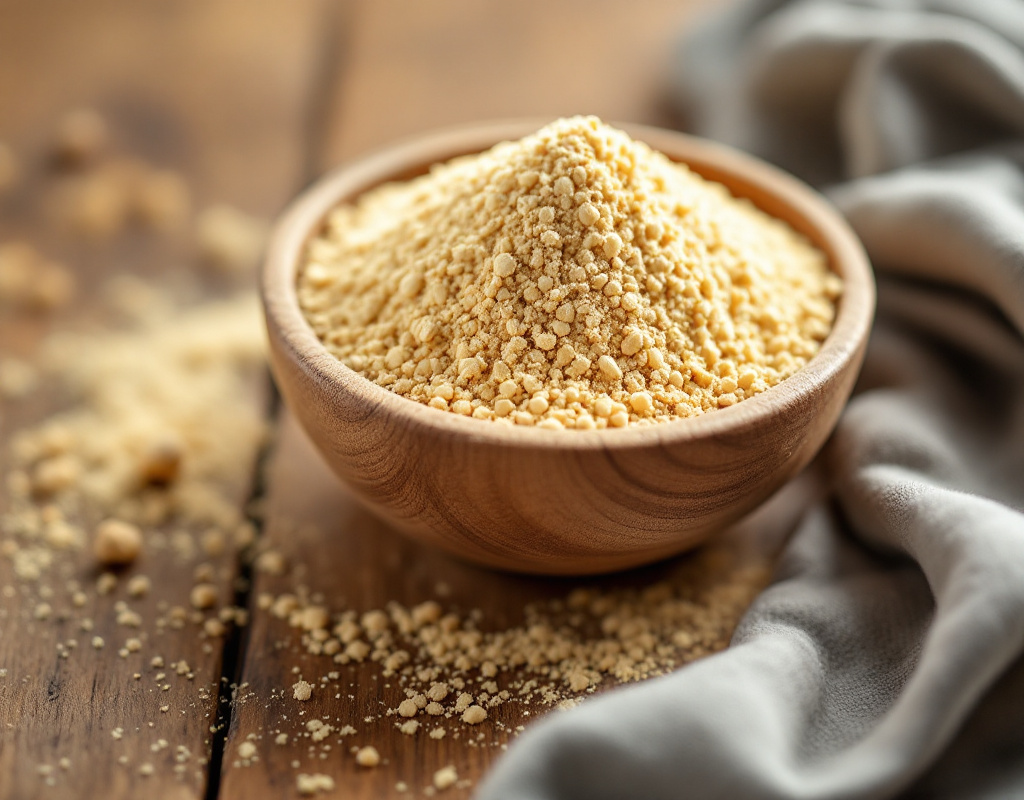
Experiment gradually, adjust the consistency, and let yourself be surprised by the unsuspected potential of this gentle fiber, both a slimming and comforting ally.
FAQ
Is psyllium suitable for vegetarian and vegan diets?
Absolutely. Derived from a plant, blond or brown psyllium suits all dietary habits, including vegan and vegetarian.
When is the appetite suppressant effect felt?
Often within 20 to 30 minutes after intake, depending on water content and the individual. Personal experience will determine the ideal timing.
Can I combine psyllium with other fibers?
Yes, combining with inulin, guar fibers, or agar-agar is gentle. Just be sure to increase hydration to avoid any discomfort.