
| Key Points | Details to Remember |
|---|---|
| ⚙️ Zinc | Essential trace element for metabolism and the immune system |
| 🍽️ Food sources | Meats, fish, seeds, nuts, and legumes |
| 🤔 Stomach aches | Gastric irritation, nausea, heartburn |
| 🕒 Timing | Taking at the right time (meals vs fasting) |
| 💧 Hydration | Glass of water before and after intake |
| 🌿 Combinations | Protective foods or gentle forms (bisglycinate) |
Zinc, often praised for its role in immune regulation and wound healing, can sometimes turn into digestive discomfort. Here and there, you hear reports of nausea or heartburn after taking the supplement. Yet, there are simple and scientifically documented ways to make each capsule or tablet easier to digest. Here, we break down these tips and explore how to reconcile effectiveness and tolerance.
Sommaire
Why does zinc sometimes cause digestive issues?
Mechanisms of gastric irritation
In reality, zinc is a cation which, when it comes into direct contact with the gastric mucosa, can disrupt the acid balance. Imagine a grain of sand in a shoe: even a small amount can irritate. Commonly used zinc salts, such as sulfate, are more irritating than other chelated forms. A rapid release in the stomach will stimulate acid secretion, hence sensations of burning or reflux.
Individual factors to consider
Everyone comes with their own background: sensitivity to acidity, history of gastritis, or even simple stress. Stress, for example, alters intestinal motility and can exacerbate the perception of discomfort. Moreover, taking it on an empty stomach is often blamed: without a food buffer layer, the local concentration of zinc is too high. Thus, one cannot ignore the individual context before seeking a single cause.
Optimizing zinc tolerance: practical advice
Choice of zinc form
Not all supplements are equal. Chelated forms (bisglycinate, picolinate) or gluconate, which release the trace element more slowly, are preferred. Bisglycinate, for example, is bound to two glycine molecules and minimizes immediate contact with the mucosa. In practice, you will often notice fewer acid reflux episodes and overall improved comfort.
Adjusting the Timing of Intake
Technically, you can take your zinc at breakfast to benefit from some fat, or at lunch if you are concerned about interference with other supplements (iron, calcium). In short, taking zinc during or just after a meal avoids the acid peak. This is a compromise that does not reduce absorption, and even rather the opposite.
Combine with Protective Foods or Ingredients
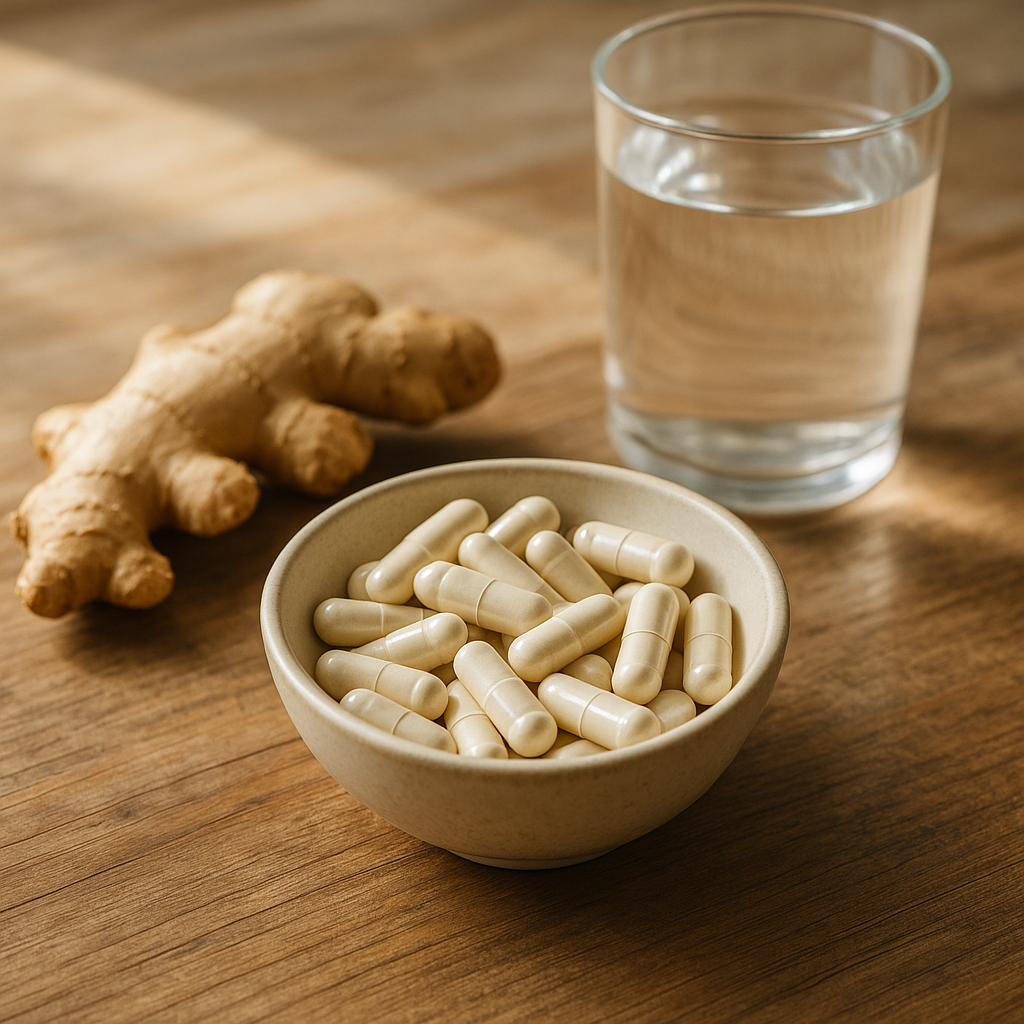
Some combinations are almost folkloric: a yogurt, a glass of milk, or a few slices of fresh ginger can create a buffering barrier. Ginger contains gingerol, a natural anti-inflammatory, while milk casein binds to ions and reduces their irritating power. For those exploring the realm of probiotics, know that a yogurt enriched with cultures can also support the flora, thus limiting the risk of associated disorders.
Dosage and Monitoring: Finding the Right Balance
Recommended Dosages
For an adult, the usual dose is around 15 to 30 mg of elemental zinc per day. Beyond that, you enter therapeutic territory that requires medical advice. The important thing is to adapt the quantity to your needs (age, hormonal status, physical activity) and the context: a proven deficiency or convalescence sometimes requires a slight surplus.
Monitor Your Feelings and Adjust
Keeping a logbook is extremely effective. Note the time, the form of zinc, the associated food, and the quality of your digestive comfort. You will quickly notice if one form suits you better than another. Over time, you will especially learn to anticipate: avoid acid peaks in the evening if you are sensitive at night, for example.
Alternatives and Complementary Solutions
Use Foods Rich in Zinc
Sometimes, simplicity wins out: oysters, beef, pumpkin seeds, lentils… These food sources are less concentrated than capsules but much better tolerated. One oyster provides on average 5 mg of zinc, which allows you to split the intake over several small meals and avoid peaks.
Other Gentle Supplements for the Stomach
- Vitamin B6: facilitates zinc absorption and limits nausea
- Zinc Citrullinate: buffered form, less aggressive
- Microencapsulation: slow-release technology for prolonged comfort
FAQ
- Should zinc always be taken with food?
- Generally, yes: taking it with a meal reduces the risk of heartburn without harming absorption.
- What is the best time of day?
- Morning or lunch are preferred, thus avoiding excess acidity at night.
- Can multiple forms of zinc be combined?
- It is better to choose a single effective form to avoid interactions and excesses.
- Are there signs of zinc overdose?
- Abdominal pain, nausea, as well as a risk of interfering with copper or iron.
- Can children take it?
- Yes, but at adapted doses (about 5-10 mg/day) and under medical supervision.