| Key Points | Details to Remember |
|---|---|
| 🍽️ 80/20 Definition | 80% nutritious foods versus 20% treats. |
| 🧠 Stress and Diet | Hormonal impact and blood sugar management. |
| 🥦 Prioritized Foods | Varied vegetables, lean proteins, whole grains. |
| 📝 Planning | Simple menus and balanced snacks. |
| ⚠️ Common Pitfalls | Excessive restriction and compensatory cravings. |
| 💡 Sustainable Tips | Flexibility and self-kindness. |
Do you feel like your diet wavers as soon as the pressure rises? Rather than falling into drastic diets, the 80/20 approach offers a flexible and realistic way out. By applying this simple principle, your plate regains its proper balance and becomes an ally, not a source of guilt, even when the days fly by at full speed.
Sommaire
Understanding the Origin of the 80/20 Rule in Nutrition
From Managerial Origins to the Plate
In the 1890s, economist Vilfredo Pareto noticed that 80% of the land in Italy belonged to 20% of the population. Transposed to nutrition, the ratio becomes a guide to distribute energy: 80% nutrient-rich ingredients, 20% indulgent freedom. This vision contrasts with monotonous diets, inviting nuance rather than deprivation.
Why It Works When You Are Stressed
Under stress, the body produces cortisol, which increases hunger and cravings for quick sugars. Consuming mostly foods dense in fiber and protein slows this blood sugar spike while protecting mood. This avoids the vicious cycle: stress – craving – guilt – new stress.
Applying the 80/20 Rule in Daily Life
Choosing Foods to Prioritize
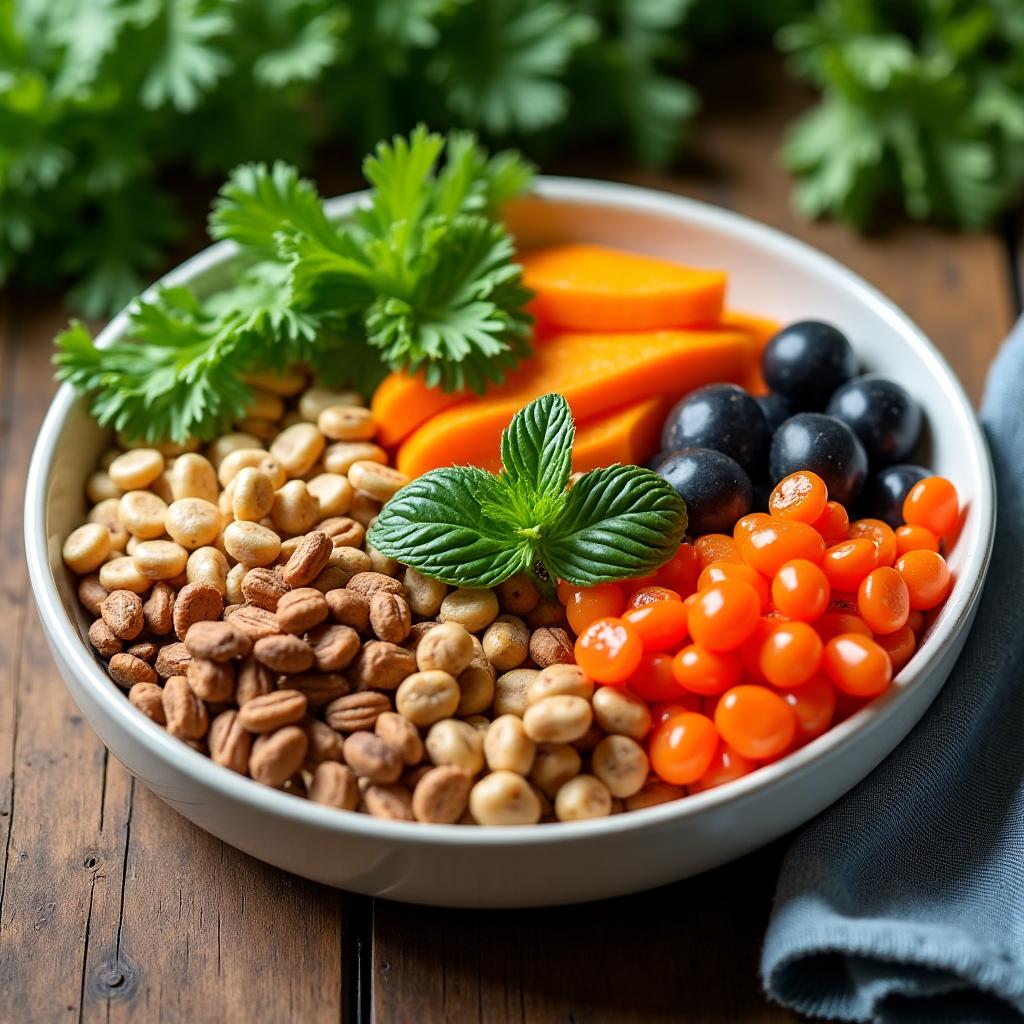
Concretely, your “80%” plate consists of:
- Colorful vegetables (broccoli, bell peppers, beets), whose fibers support digestion and reduce impulsive hunger.
- Lean proteins (fish, poultry, eggs), essential for cell repair and lasting satiety.
- Whole carbohydrates (quinoa, sweet potato, brown rice), which release their energy over time.
- Quality fats (olive oil, avocado, nuts), indispensable for brain and hormonal functions.
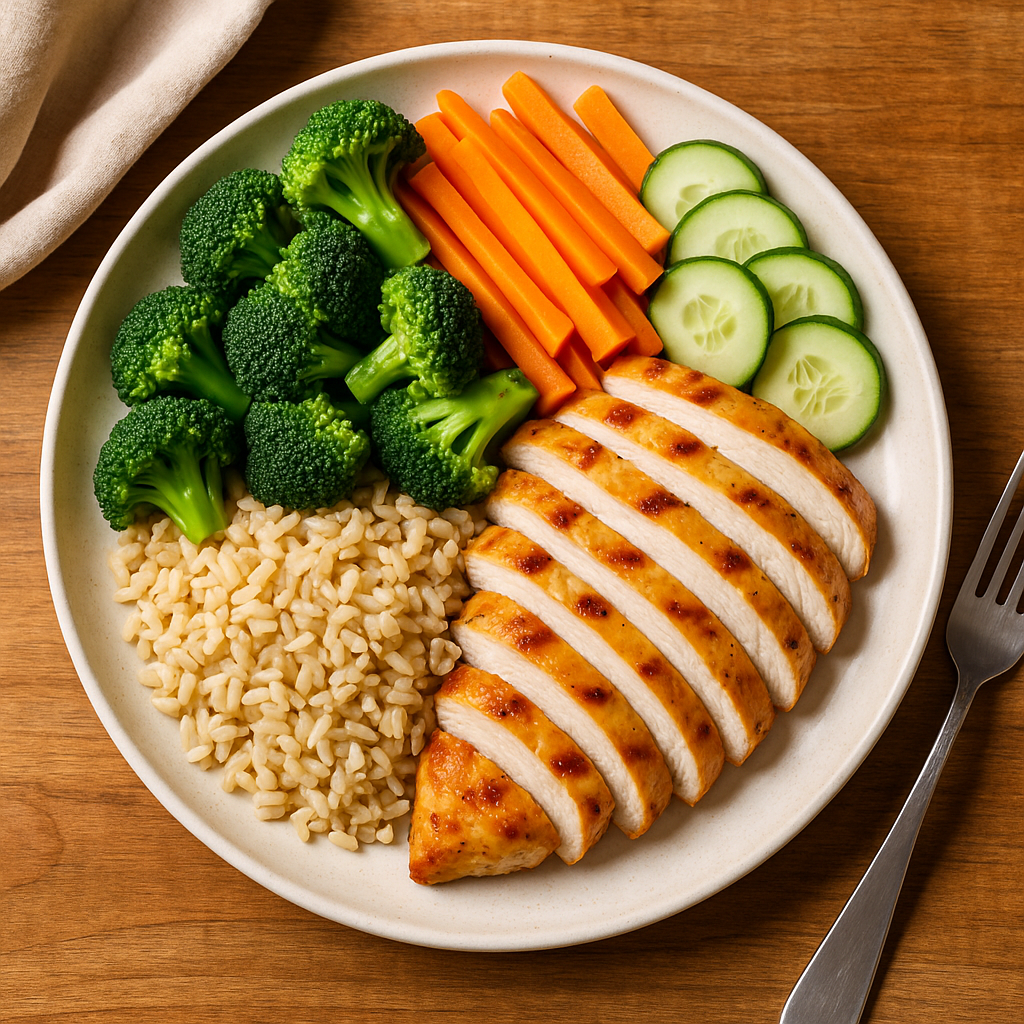
Prompt for generation: “A realistic top-down photo of a balanced plate following an 80/20 rule for stress management, vibrant vegetables, lean proteins, whole grains, bright lighting, styled on a wooden table.”
Slug: assiette-80-20-stress
How to Keep Some Pleasure
Nothing prevents adding 20% of small pleasures: a square of chocolate, a spoonful of jam, a handful of homemade chips… The idea is to savor them without guilt, mindfully, to avoid the rule crumbling through excess. This way, you restore a healthy relationship with food.
Strategies to Cope with Stress Peaks
Planning Without Rigidity
When the week looks busy, a simple chart or checklist helps you organize your meals. List three “80%” options, then anticipate two “20%” pleasures. This light structure reduces the anxiety of “what am I going to eat?” and preserves your mental energy for what matters.
Small Adjustments According to Mood
Needs can vary: on a cozy Sunday, allow yourself a homemade pastry; on a busy day, opt for a fiber- and protein-rich soup meal. The idea is not to stick blindly to the ratio but to adjust it according to emotional and physical fluctuations.
Common Mistakes and How to Correct Them
Several pitfalls often arise:
- Too many constraints: wanting to weigh every food quickly drains the approach of meaning. A visual estimate (four parts “good,” one part “pleasure”) is better.
- Hidden frustration: totally forbidding certain foods can cause a boomerang effect. Integrate them in a planned way into the “20%” ratio.
- Forgetting hydration: thirst and stress combined are a destabilizing duo. Keep a water bottle within reach.
Returning to the right balance is a process: trial and error is part of the journey, the essential thing being to learn from each slip rather than to beat yourself up.
Inspiring Testimonials
Claire, a freelance graphic designer, explains that the 80/20 rule helped her break free from food yo-yoing: “I was surprised to truly enjoy my square of chocolate after a colorful meal, without going on to eat a whole bar!” As for Julien, a manager during a deadline period, he points out that a simple bowl with vegetables and eggs keeps him more focused than an extra coffee.
Frequently Asked Questions (FAQ)
1. Can the ratio be reversed in the case of sports competition?
Yes, depending on the intensity of the effort, you can shift up to 60% complex carbohydrates to support performance. The idea remains to keep a majority of quality foods.
2. Is the 80/20 rule suitable in case of digestive disorders?
It can help, provided that you choose foods that are easy to digest (soaked legumes, gently cooked vegetables). The balance is also made among textures.
3. How to quickly estimate a “20%” portion?
Visualize your plate in five equal zones: only one can contain a pleasure food. The eye quickly becomes your best measuring tool.
4. Should calories be counted?
No, the approach focuses on quality rather than quantity. By favoring nourishing foods, satiety naturally sets in.
5. Does this replace professional nutritional follow-up?
For therapeutic needs (diabetes, eating disorders), a dietitian remains essential. The 80/20 serves as a public tool, not an exclusive medical protocol.