| Key Points | Details to Remember |
|---|---|
| 🌾 Definition | Formulated foods without gluten traces |
| 🥖 Flours | Variety of cereals and roots |
| 🍝 Pasta | Plant proteins and alternative textures |
| 🍪 Snacks | Crunchy and balanced snacks |
| 🔍 Choice | Composition criteria and labels |
| 🔧 Usage | Tips to improve taste and consistency |
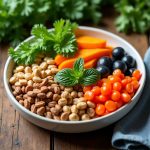
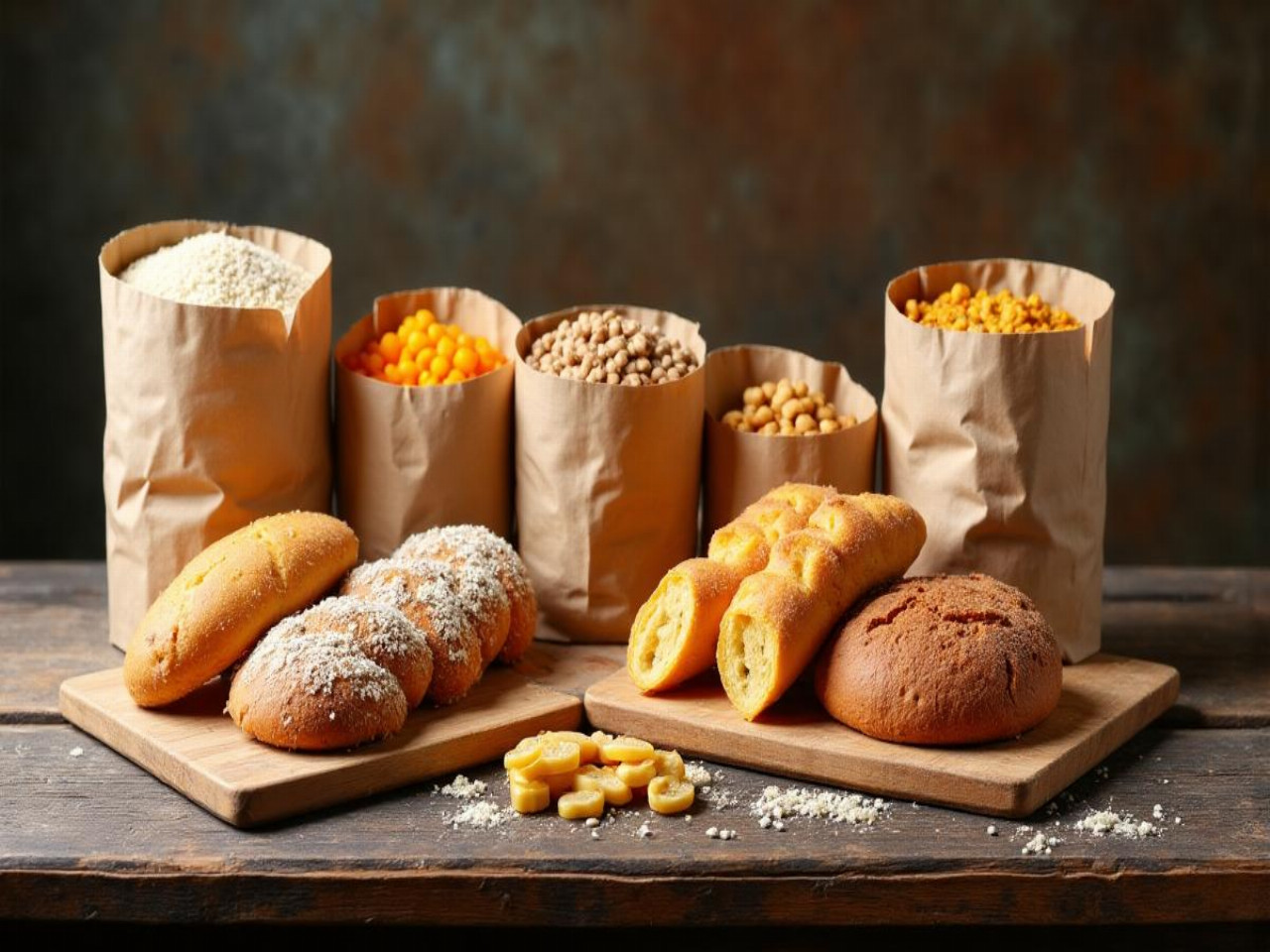
Being deprived of gluten does not mean limiting oneself to bland food. This comparison highlights alternatives to traditional flours, pasta, and snacks, all designed for those seeking allergen-free cooking while preserving flavors and textures. Here we explore ingredients derived from naturally gluten-free cereals or legumes before reviewing smart and tasty snacks. Ready to diversify your pantry?
Sommaire
Gluten-Free Flours: Diversity and Properties
Alternative flours play an essential role in baking and savory cooking to compensate for the absence of gluten. Each brings its own nutritional qualities, unique taste, and varying absorption capacities. Experimenting with several flours allows finding the ideal balance between structure and softness.
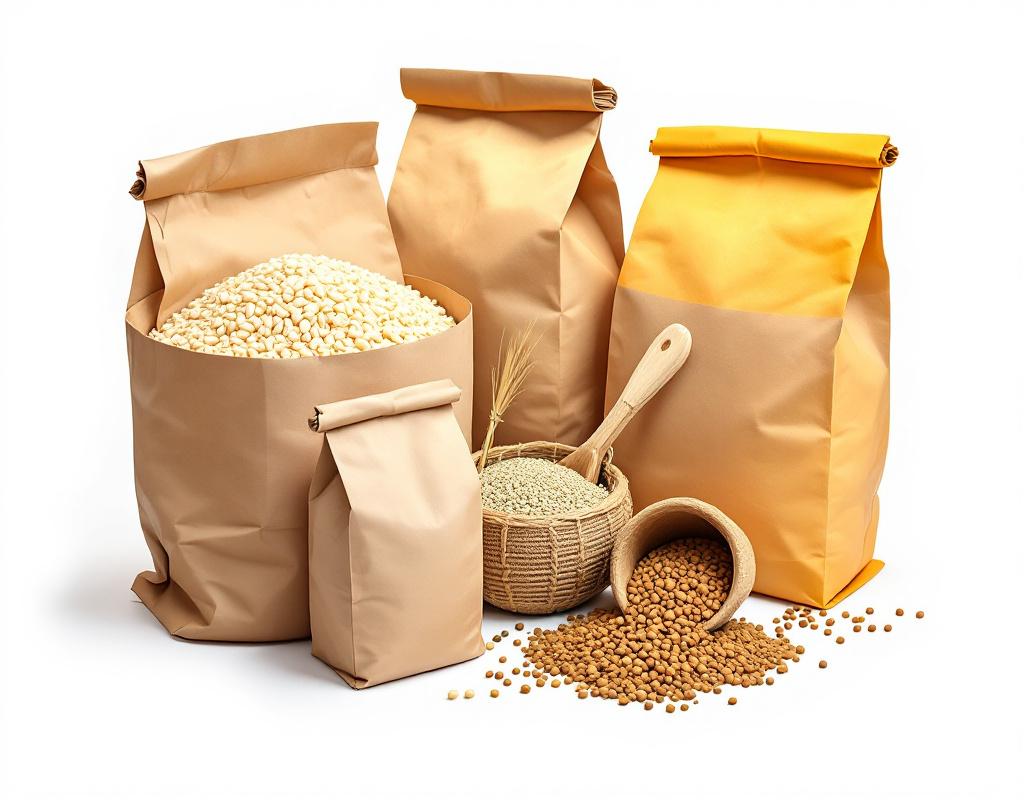
A simple blend of several flours can even replicate the versatility of wheat flour. Thus, mastering the proportions avoids falling into the excess of sandy texture or, conversely, obtaining a preparation that is too rubbery.
Main Types of Flours
- Rice flour: light texture, neutral taste, ideal for cookies.
- Buckwheat flour: slightly pronounced flavor, perfect for galettes or pancakes.
- Chickpea flour: protein contribution, effective binder for savory pies.
- Corn flour: fine grain, ideal sediment for polenta and country breads.
- Quinoa flour: nutritional profile rich in amino acids, suitable for specialty breads.
Usage Tips and Blends
One might think that using gluten-free flours requires thousands of trials. In reality, starting with a ready-made mix simplifies things: often composed of rice, corn, and tapioca, it provides a good base. To customize the flavor, add 10 to 20% of a more aromatic flour, such as buckwheat or teff.
To avoid crumbliness, incorporate a natural thickener (guar gum or xanthan gum) at 0.5% of the total mass. The result: a soft crumb, dough that is easier to shape, and an impressive outcome for fougasses, brioches, or tarts.
Gluten-Free Pasta: New Textures to Taste
Replacing classic spaghetti or fusilli with gluten-free alternatives opens the door to varied culinary experiences. Between legumes, rice, or even teff, each option conveys a different flavor and its own nutritional profile.
Legume-Based Pasta
Chickpea, coral lentil, or mung bean: these variants primarily offer a boost in proteins and fibers. Their vibrant color transforms a plain dish into a gourmet plate. In the mouth, the texture remains firm, with a slight softness when cooked “al dente”.
Unlike wheat pasta, they maintain their shape even if cooking is extended a bit. To enhance the flavor, a pinch of salt or a flavored broth is enough to limit the natural bitterness.
Innovative Options and Blends
Brown rice, quinoa, millet, or teff also join the mix. Industrial blends often combine buckwheat and whole rice to balance taste and color. You can now find coquillettes or penne made from corn and rice flour, sometimes enriched with spirulina or beetroot for color.
Depending on the dishes, select a thin pasta for light sauces, a thicker one for stews. In gratins, rice pasta has a softness that pairs perfectly with a light béchamel sauce.
Gluten-Free Snacks: Between Indulgence and Practicality
Who said gluten-free meant bland snacks? Bars, cookies, chips, and crackers are reinvented to provide crunch and instant comfort without exposing you to unwanted proteins.
Cookies and Energy Bars
- Tapioca or puffed rice rusks, for an airy breakfast.
- Bars made from nuts, seeds, and maple syrup, for controlled energy intake.
- Cookies made with teff or chickpea flour, richer in minerals and vitamins.
Some manufacturers add dark chocolate chips, others rely on dried fruits to mask the lack of gluten. In health food stores, look for “certified gluten-free” labels and the shortest possible ingredient list.
Chips, Crackers, and Other Savory Snacks
Flours from corn, chickpeas, lentils, or dehydrated vegetables are molded into thin cakes or pretzels. Their common point? An unbeatable crunch that compensates for the absence of gluten. To vary, spices like smoked paprika or cumin are sprinkled on top.
Seaweed crackers offer a nice iodized dimension, while vegetable chips (beetroot, sweet potato) color naturally and provide extra fiber. The advantage: compare fat content to favor sunflower or mild olive oil.
How to choose the best alternative?
Faced with the growing offer, a few guidelines are enough to find products that match your profile (multiple allergies, vegan, athlete…).
- Composition: avoid unnecessary additives, favor a short list.
- Label: certification by a recognized association guarantees the absence of contamination.
- Nutritional value: fibers, proteins, and minerals at the top for legumes.
- Cooking: note the indicated time, often shorter than with wheat.
- Price: compare by weight, some lesser-known flours remain affordable.
In practice, always keep a basic package (flour mix, rice pasta) and complement with a specific flour according to the recipe (chickpea for homemade hummus, buckwheat for Breton pancakes…).
FAQ
1. Can wheat flour be replaced 100% by rice flour?
Rice flour offers a good compromise for sweet preparations. However, used alone, it lacks binding strength. A mixture with a second flour (chickpea, tapioca) or a binder (xanthan gum) is still recommended.
2. How long do gluten-free pasta last?
Generally, they keep for 12 to 18 months in an airtight package and away from humidity. Once opened, it is better to use them within three months to avoid dryness or crumbliness.
3. Are gluten-free certified snacks necessarily healthy?
The label only guarantees the absence of gluten. For balance, look at the sugar, fat content, and the ingredient list. Some organic snacks can contain a lot of rice syrup or vegetable oils.
4. Are legume flours suitable for pastries?
They provide a pronounced taste and an interesting protein content, but often require the addition of a neutral flour to avoid bitterness and balance the texture.