
Fruits starting with L — lychee, lime, lucuma — form an astonishing trio: one is voluptuous and sweet, another sharp and lemony, the third soft and almost caramelized. This guide gathers their main benefits, the ideal time to consume them, practical tips for selecting and storing, then simple and original recipes to fully enjoy these flavors. No theoretical discourse, but concrete and immediately usable references, whether you are an amateur cook or curious about exotic products.
Sommaire
In brief
🍒 Lychee: fruit rich in vitamin C and antioxidants, mainly available in summer in the northern hemisphere — ideal fresh or in coulis.
🍋 Lime: concentrated acidity and aromas, source of vitamin C and essential oil, it enhances drinks, marinades, and desserts without weighing them down.
🌱 Lucuma: dry pulp with caramel flavor, low glycemic index, used in powder form as a sugar alternative in creams and smoothies.
🧾 Practically: select firm and fragrant fruits, keep them cool depending on the type, and try one savory and one sweet recipe for each fruit.
Why be interested in these three fruits?
One might think they only share the letter L, but their culinary and nutritional complementarity is interesting: lychee brings a refreshing sweetness, lime a structuring acidity, lucuma a note of natural sugar without excess. Together, they balance textures and flavors in sweet and savory dishes, and add micronutrients often missing from industrial desserts.
Lychee — benefits, season and recipes

Nutritional benefits
Lychee is especially recognized for its high content of vitamin C: a handful covers a good part of daily needs. It also contains flavonoids and anthocyanins, which act as antioxidants and contribute to cellular protection. Its fiber content, moderate, promotes digestion when consumed fresh. Finally, it is a low-calorie fruit compared to classic desserts, making it suitable for light yet tasty snacks.
Seasonality and storage
The lychee season in Europe and the Mediterranean generally stretches from May to August depending on varieties and import zones. Fresh, it should be chosen with well-colored skin and no major black spots. At home, store it cold (4–6 °C) and consume quickly: it loses its texture and aroma after a few days. To prolong, you can peel, pit, then freeze in bags for smoothies and sorbets.
Simple Recipes
- Lychee-Ginger Sorbet: lychee puree, a splash of lime, sugar (or agave syrup) and a hint of fresh ginger, passed through the ice cream maker.
- Sweet and Savory Salad: peeled lychees, cucumber ribbons, spinach shoots, a light lime and coriander vinaigrette.
- Sauce for White Fish: blended lychee, rice vinegar reduction, melted shallot and sesame oil — surprising with a sea bass fillet.
Lime — bright green, uses and tips
Taste Profile and Benefits
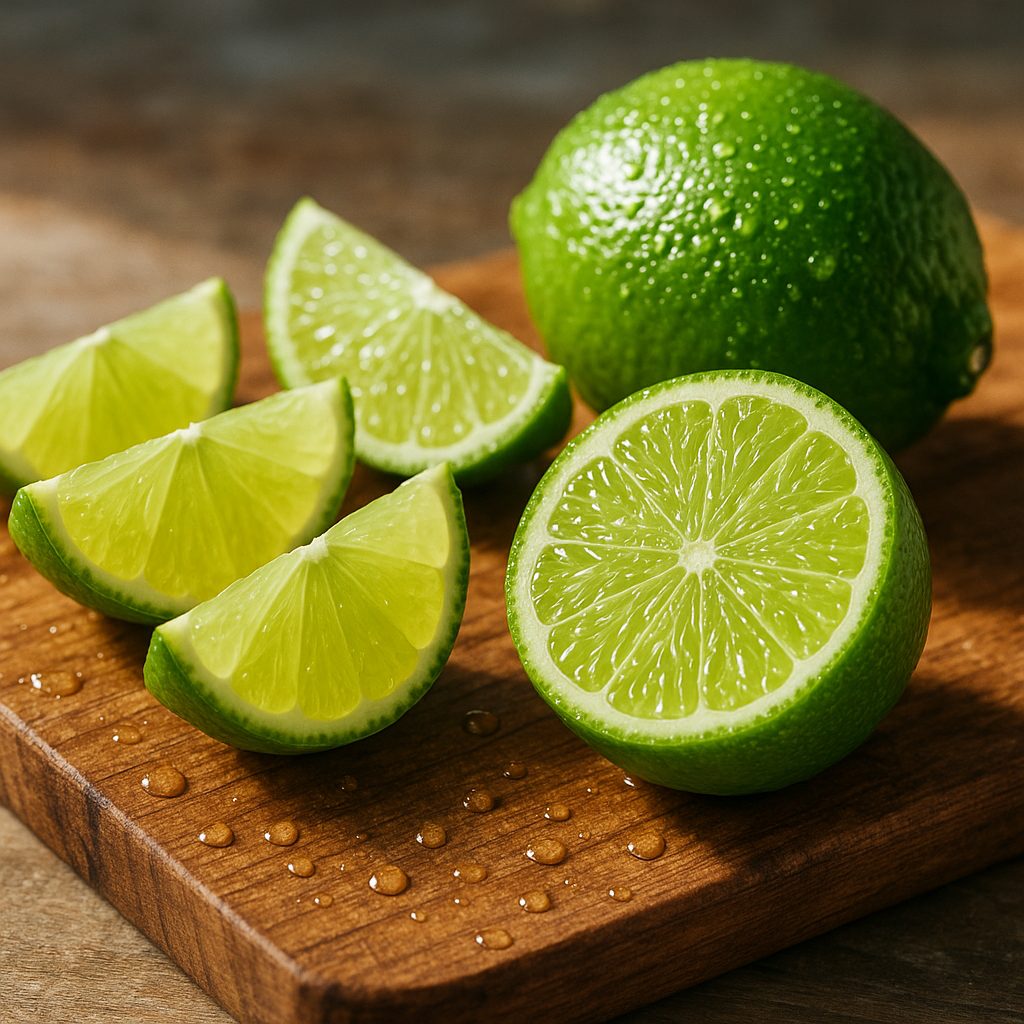
The lime concentrates a bright acidity and aromatic compounds (mainly terpenes) that stimulate the palate without adding significant calories. It provides vitamin C and volatile compounds beneficial for digestion and food preservation (e.g., in marinades). In cooking, it helps lighten fatty preparations while enhancing flavors.
When to Consume and How to Choose
Limes are available year-round at most markets, but their quality varies: prefer heavy fruits for their size (a sign of juice) and smooth skin. Store them in a cool place to prolong freshness; at room temperature, they dry out faster. The zest is particularly aromatic and deserves to be used; grate it just before use to avoid losing the essences.
Recipe Ideas
- Tangy Marinade for fish or tofu: lime juice, olive oil, crushed garlic, coriander, a bit of honey to balance the acidity.
- Revisited Mojito: lime, mint, sparkling water and a dash of agave syrup for a non-alcoholic version.
- Lime Cream: egg yolk, sugar, lime juice and zest to garnish thin tartlets.
Lucuma — native to South America, sweetness and nutrition
What is Lucuma and What Are Its Benefits?
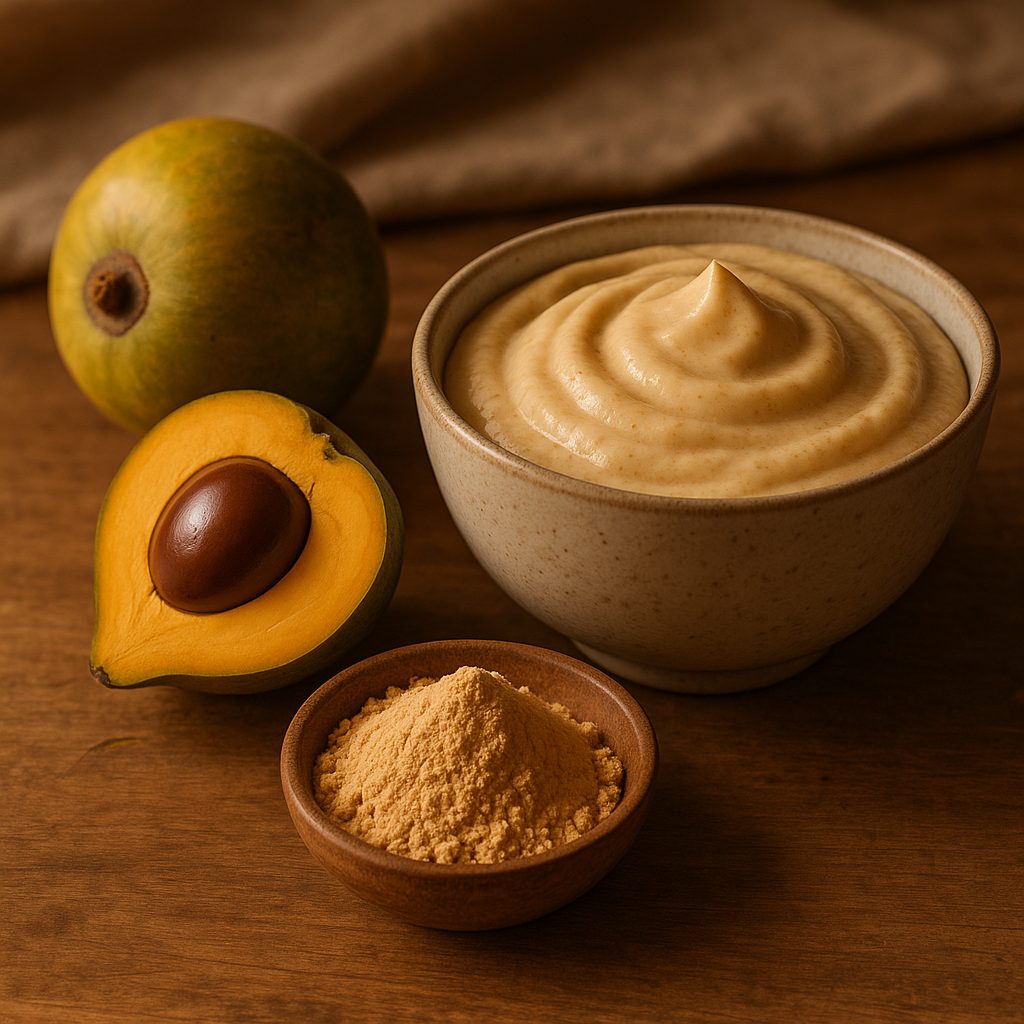
Lucuma is a South American fruit with dry, floury flesh, tasting reminiscent of caramel or sweet potato. It is often dehydrated and ground into powder, used as a natural sweetener and flavoring. Its richness in fiber, beta-carotene and certain minerals (iron, calcium) makes it an interesting alternative to refined sugars. Moreover, its glycemic index is rather moderate, which can suit people looking to limit glycemic spikes.
Seasonality and Available Forms
Fresh lucuma remains local to the Andean regions and is not common in mainstream distribution; it is mainly found as dried powder. The powder keeps for a long time and integrates easily into hot or cold preparations: yogurts, smoothies, homemade ice creams. To fully enjoy the aromas, dose gradually: its flavor can dominate if too much is added.
Recipes and Practical Uses
- Lucuma-Banana Smoothie: banana, plant-based milk, 1 spoon of lucuma powder, chia seeds — creamy texture and naturally sweet taste.
- Lucuma Dessert Cream: almond cream base, xanthan gum or starch to thicken, lucuma for flavor and color.
- Energy Balls: dates, oats, lucuma powder, cashew nuts; blend, form balls and roll in grated coconut.
Quick Nutritional Comparison
| Fruit | Strengths | Points to Note |
|---|---|---|
| Lychee | Vitamin C, antioxidants, low caloric density | Fragile, perishable |
| Lime | Aromatic acidity, zest rich in essential oils | Low in calories but irritating to mucous membranes in excess |
| Lucuma (powder) | Natural sweet flavor, fiber, minerals | High in carbohydrates — portion should be moderated |
Practical Tips: Purchase, Storage, and Pairings
For lychee, choose freshness and consume quickly; for lime, use the zest and juice to take advantage of all the flavors; for lucuma, prefer organic powder without additives. Regarding pairings, imagine lychee with fresh herbs (basil, mint), lime with fatty ingredients (avocado, olive oil) to balance, and lucuma as a partial substitute for sugar in dairy or plant-based preparations.
Breakfast and Mood: Where to Place These Fruits?
A breakfast that combines complex carbohydrates, proteins, and a bit of fat promotes the production of neurotransmitters linked to well-being. For example, adding lucuma to oatmeal porridge brings sweetness and fiber while Greek yogurt or an egg covers the protein portion. On this note, if you are looking for ideas to increase tryptophan intake in the morning, include sources like eggs or chia seeds with fruits — lucuma pairs particularly well for its caramelized sweetness.
Practical reminder: the word tryptophan refers to an amino acid precursor of serotonin, and structuring your breakfast around foods rich in tryptophan and complex carbohydrates can help improve mood throughout the day.
FAQ
Q: Does lychee cause weight gain?
A: No, when consumed fresh and in reasonable quantities, lychee is low in calories. It is mainly when sugar, syrups are added or when consumed canned that it becomes caloric.
Q: Can lucuma replace sugar in pastries?
A: Yes, partially. Lucuma provides flavor and sweetness but not the texture of crystallized sugar; it is often wise to combine lucuma with a humectant sugar (agave syrup, honey) or adjust the recipe.
Q: Are lime and lemon interchangeable?
A: They are similar but lime is often more aromatic and less acidic than some lemons; depending on the recipe, lime zest may be preferred for its more floral note.