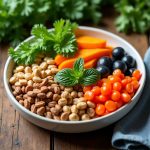
Managing your blood sugar is not just about avoiding sugar: it’s an adventure where every food counts, where the timing of meals directly influences your glucose levels. Through a 7-step journey, this visual guide immerses you in designing an anti-glycemia nutritional plan. Without British jargon or generic lists, you will find concrete advice, menu examples, and a simple tracking tool to adapt daily.
Sommaire
Why an Anti-Glycemia Nutritional Plan Is Essential
One might think that a “low sugar” meal is enough to stabilize blood sugar. In truth, the glycemic response depends on multiple parameters: the glycemic index of foods, the quantity consumed, the distribution of macronutrients, and even your lifestyle rhythm. A well-thought-out plan acts like a mesh, limiting glucose spikes and promoting steady energy. Without this nutritional framework, you navigate blindly, exposed to cravings and post-meal fatigue.
Discovering the impact of each bite is a bit like mapping unknown territory. You will learn to intelligently combine vegetables, proteins, and quality fats, to monitor portions, and to anticipate snacks. At the end of these 7 steps, you will have a clear and visual document, personalized to your profile, ready to accompany you day after day.
Step 1: Analyze Your Metabolic Profile and Habits
Before drafting your plan, observe yourself. Note over three days the time and content of each meal, your sensations (hunger, energy), and your blood sugar measurements if you track them. This diagnostic phase reveals hidden patterns: nighttime snacking, energy crashes at 4 pm, or a breakfast too rich in fast carbohydrates.
One might think a “standard” profile exists, but everyone reacts differently. Your insulin sensitivity, physical activity, and even your chronotype (early riser or night owl) modulate needs. Take a notebook or an app, record your observations, and draw an overall portrait before taking action.
Step 2: Select Low Glycemic Index Foods
Foods with low or very low glycemic index (GI) release glucose gradually. They prevent rapid spikes and naturally fit into an anti-glycemia plan. Specifically, prioritize:
- Legumes (lentils, chickpeas, kidney beans),
- Whole grains (spelt, quinoa, hulled barley),
- Non-starchy root vegetables (radish, celeriac),
- Nuts and seeds.
To check easily, keep a summary table on your fridge or phone. You can use the table below as inspiration for your shopping:
| Category | Foods | Average GI |
|---|---|---|
| Legumes | Green lentils, chickpeas | 25–35 |
| Whole grains | Quinoa, hulled barley, spelt | 30–50 |
| Fruits | Apple, pear, citrus fruits | 35–45 |
| Non-starchy vegetables | Broccoli, spinach, radish | 15–20 |
Step 3: Structure Your Meals and Pace the Day
Without structure, you risk swinging from fasting to excess. Ideally, distribute three main meals and two targeted snacks. Each meal should combine:
- A protein source (fish, eggs, tofu);
- Low GI carbohydrates (legumes, whole grains);
- Fiber and varied vegetables;
- A bit of good fats (olive oil, avocado, nuts).
You can adjust meal times according to your rhythm, but maintain intervals not exceeding 4 hours between each eating occasion. Additionally, ensure you do not go below 1,200 calories if sedentary, nor below 1,800 if moderately active. This range prevents massive cortisol release linked to energy deprivation, an enemy of glycemic stability.
Step 4: Adjust Portions and Nutritional Density
A tablespoon of brown rice and a handful of spinach do not have the same density. Here you will learn to play with volume and nutrient concentration. To do this:
- Measure your portions with a scale or visual cues (fist, palm of the hand);
- Vary textures to increase the feeling of satiety without weighing down the meal;
- Choose foods with moderate caloric density (vegetables, lean meats, white fish).
In practice, an ideal meal looks like half a bowl of legumes, a quarter of the plate of colorful vegetables, a quarter of lean proteins, and a drizzle of oil rich in omega-3. This distribution facilitates hormonal regulation and maintains energy for several hours.
Step 5: Prioritize Fiber, Protein, and Good Fats
Fiber and fats play a key role in moderating the glycemic response. Soluble fibers, found in oats or chia seeds, slow glucose absorption. Unsaturated fatty acids, from rapeseed oil or avocado, improve insulin sensitivity.
To combine these benefits:
- Include a tablespoon of ground flaxseeds in your breakfast;
- Add berries (strawberries, blueberries) for their antioxidants and low GI;
- Consider fatty fish (salmon, mackerel) at least twice a week;
- Finish your dishes with a handful of unsalted walnuts or almonds.
Such an approach blocks glycemic spikes and supports your metabolism. Additionally, if you want to explore further, consult your diet coach’s revelation on tips to stabilize your blood sugar.
Step 6: Integrate Physical Activity and Hydration
Nutrition alone is not enough. Regular exercise improves glucose uptake by muscles without raising insulin. No need for a marathon: a brisk 30-minute walk after a meal significantly reduces the glycemic peak. If you like weights, favor short sessions (15–20 minutes) at moderate intensity for a lasting effect.
Regarding hydration, drink water continuously rather than large amounts at once. Water helps transport nutrients and assists the kidneys in eliminating excess sugar. Also consider herbal teas (nettle, fennel) which provide a gentle diuretic effect and calm cravings.
Step 7: Visual Monitoring and Iterative Adjustments
Creating your plan is good. Staying flexible and refining it is better. Keep a visual chart—paper or digital—where you note each week:
- Your fasting and post-meal blood sugar;
- Your energy level and hunger sensations;
- Any deviations and their circumstances.
Thanks to this feedback, you identify the foods or combinations that work, and those that cause carbohydrate spikes. Then adjust portions, change the order of foods on the plate, or refocus physical activity on critical times. This continuous improvement process resembles a dashboard of your metabolism.
FAQ
1. What is the difference between glycemic index and glycemic load?
The glycemic index (GI) measures the speed of blood sugar rise for 50 g of carbohydrates from a pure food, while the glycemic load (GL) takes into account the portion consumed. A fruit may have a moderate GI but a low GL if its carbohydrate content remains limited.
2. Can this plan be applied to a vegetarian diet?
Absolutely. Legumes, tofu, seitan, and nuts provide protein and fiber. It is enough to vary the sources (lentils, black beans, chickpeas) and combine cereals and legumes to obtain a complete amino acid profile.
3. How to manage a meal outside without deviating from the plan?
Favor dishes based on lean proteins and vegetables, ask for the dressing on the side, and replace refined starches with a salad or grilled vegetables. You can also take a small portion of starches and then double the portion of vegetables.
4. Are artificial sweeteners allowed?
They do not raise blood sugar, but their impact on satiety and the microbiota calls for caution. If you choose to use them, limit them and turn to natural alternatives (stevia, erythritol) while monitoring their effect on your appetite.