| Key points | Details to remember |
|---|---|
| 🍈 Varieties | Ilama, Imbé, Amla, Ice Apple, Ita Palm, Icaque |
| 🥑 Origins | Central America, Southern Africa, South Asia |
| 💪 Benefits | Vitamin C, Antioxidants, Fiber |
| 🔎 Quality | Smooth skin, Firm texture, Bright color |
| 🍽️ Consumption | Raw, Juice, Desserts, Jams |
| 🥗 Storage | Refrigeration, Cool storage, Room temperature |
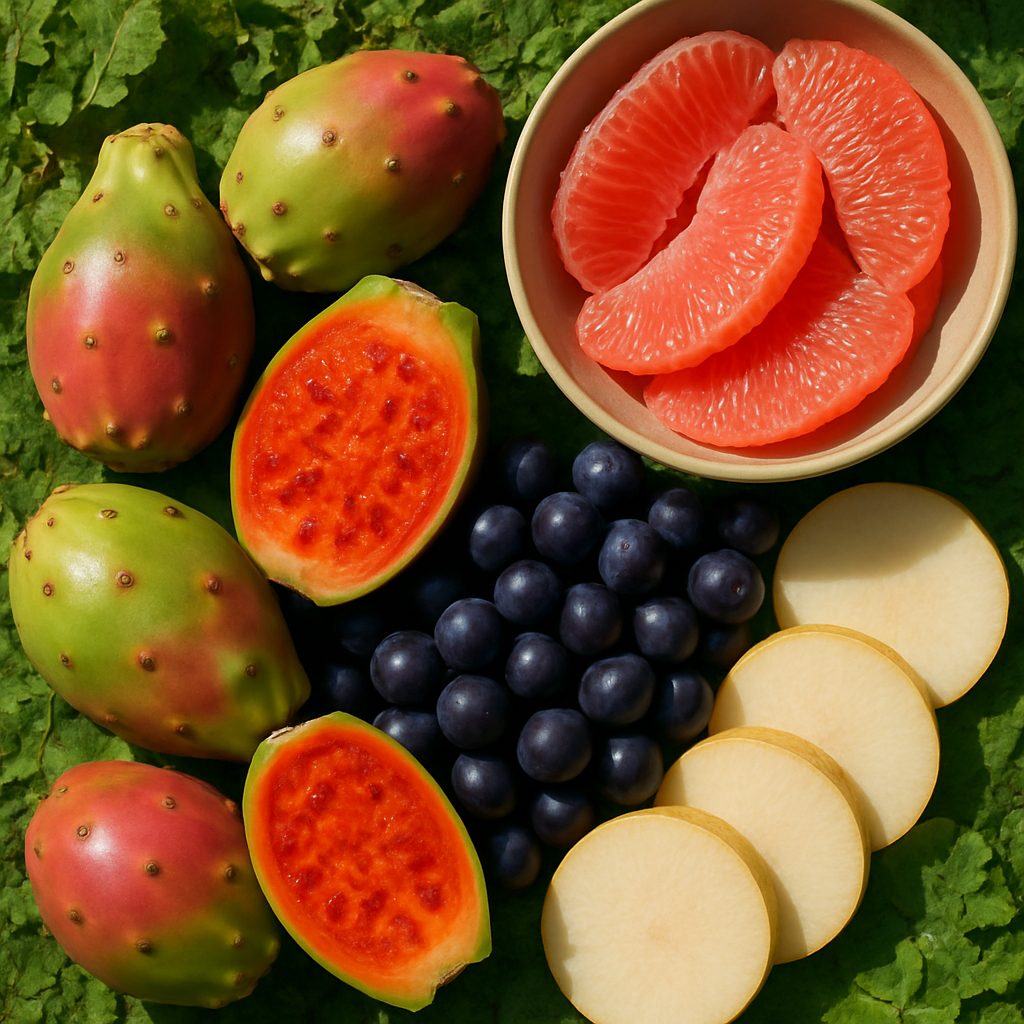
Few in number and often little known, fruits whose names start with the letter I offer a range of unconventional flavors and textures. From ilama to icaque, each has a unique story, remarkable nutritional density, and sometimes surprising culinary uses. Let’s dive into this exotic world to understand their strengths and learn how to choose them independently.
Sommaire
Iconic varieties of fruits starting with I
Ilama

Born in the hot regions of Central America, the ilama at first glance resembles a melon with rough skin. Inside, its creamy pink flesh has a delicately floral scent. It almost seems like a combination of pear and mango. In cooking, it is eaten fresh, often accompanied by a squeeze of lime to awaken its slightly sweet taste.
Imbé
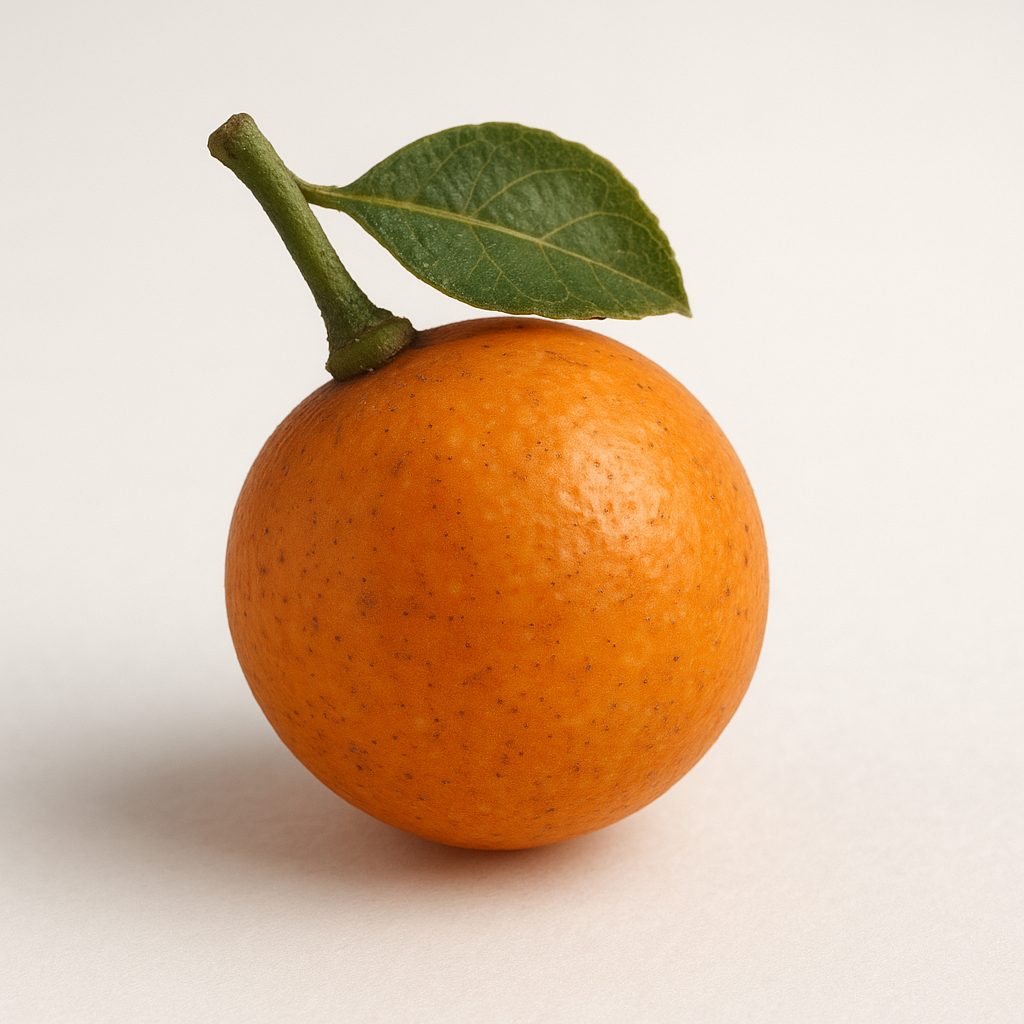
Also called the Southern African plumier, the imbé produces small round fruits of a blazing orange. Their thin skin encloses a tender, tangy pulp reminiscent of white peach mixed with currant. Rare on our shelves, the imbé is suitable for making jellies or is incorporated into fruit salads to offer an unexpected tangy touch.
Amla (Indian Gooseberry)
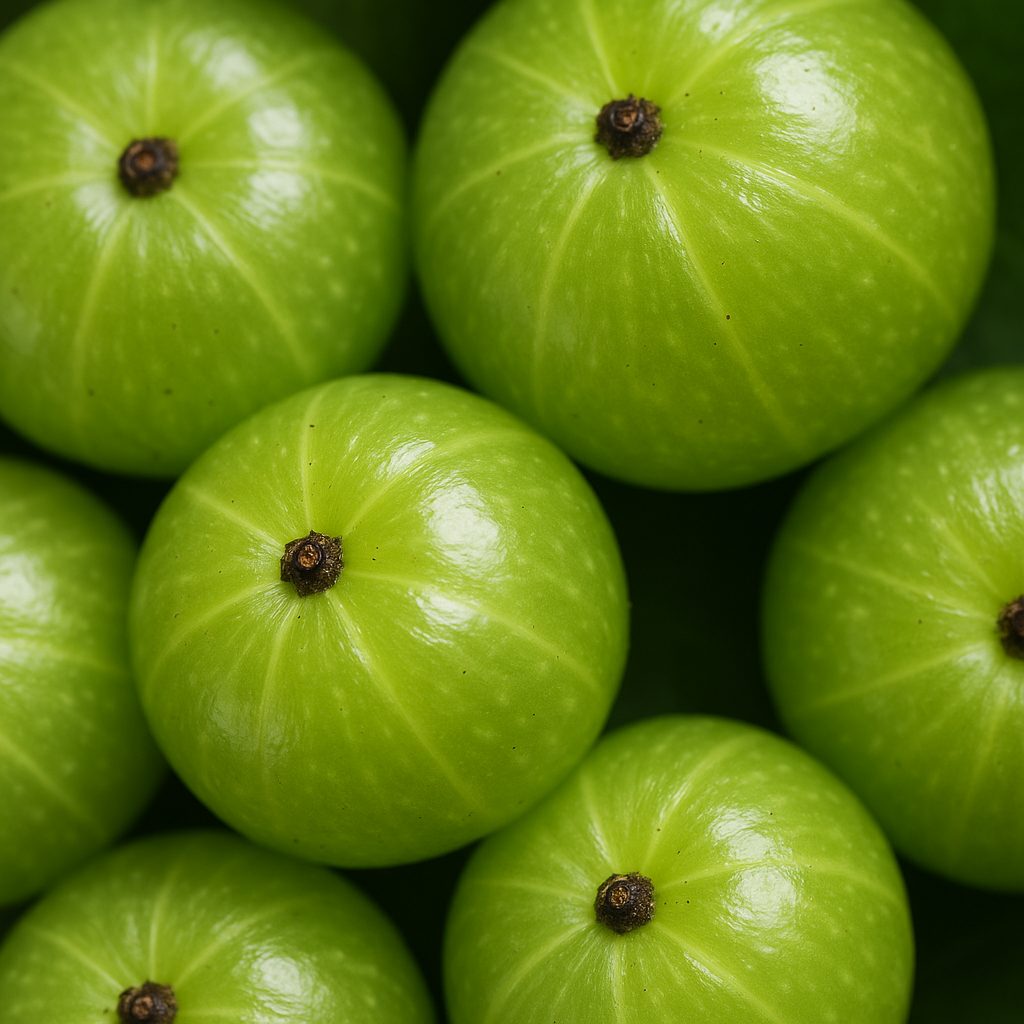
The Indian gooseberry, or amla, is almost legendary in Ayurvedic medicine. Its sharp, almost astringent flavor hides a true treasure of vitamin C: up to 600 mg per 100 g, placing amla far above the orange. It is rarely eaten raw but is preferred to be transformed into chutney, jam, or dried powder to benefit from its antioxidant properties.
Ice Apple (Jelly Palm Fruit)
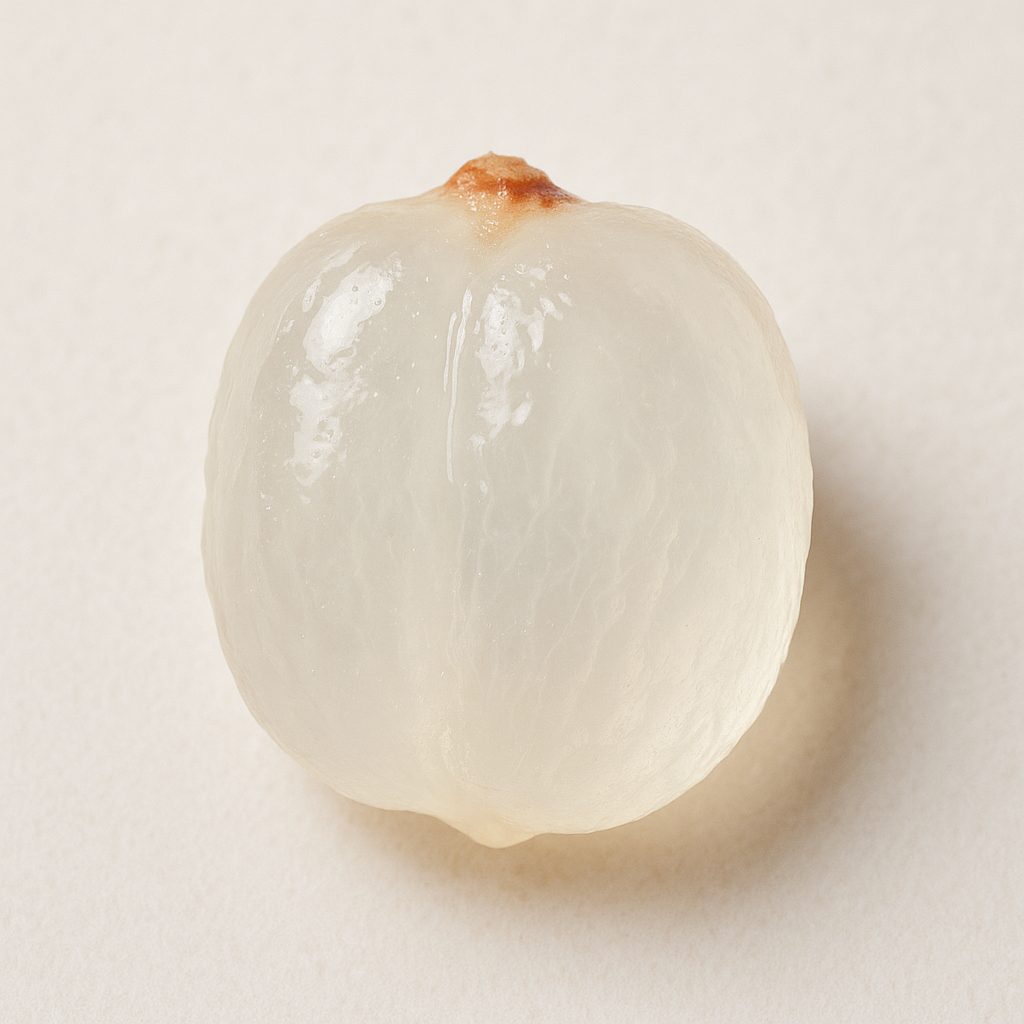
Born in South India, the ice apple, from the nipa palm, surprises with its translucent flesh, similar to a slightly crunchy jelly. Its sweet taste, very hydrating, makes it an ally during hot weather. Typically, the shell is separated to extract the jelly pulp, enjoyed plain or flavored with sweet syrup.
Ita Palm (Pindo Palm)
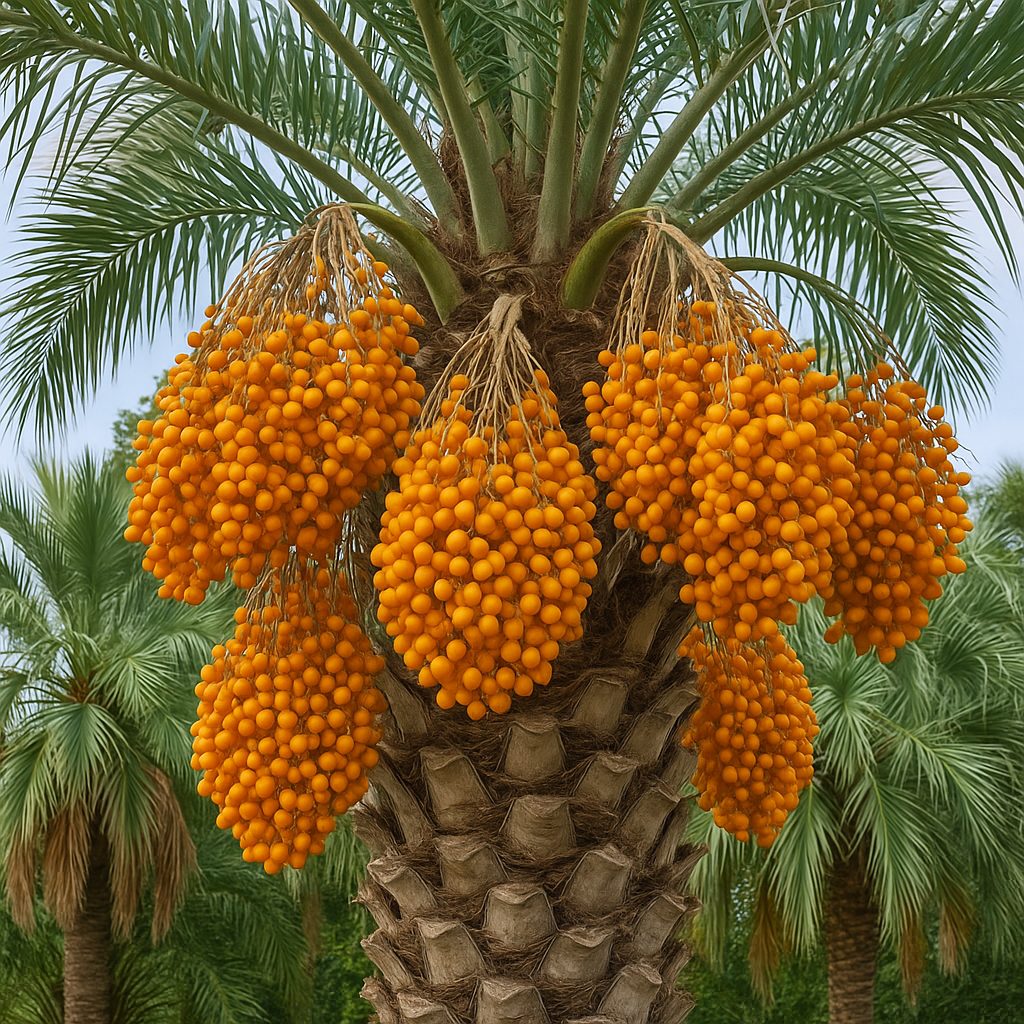
The fruits of the ita palm, sometimes called pindo palm, grow in tight clusters on an ornamental palm. Their bright orange flesh has a sweet flavor, close to apricot, but richer in natural oil. Raw, this fruit is eaten fresh; it is also used in purees, ideal for jams and ice creams.
Icaque
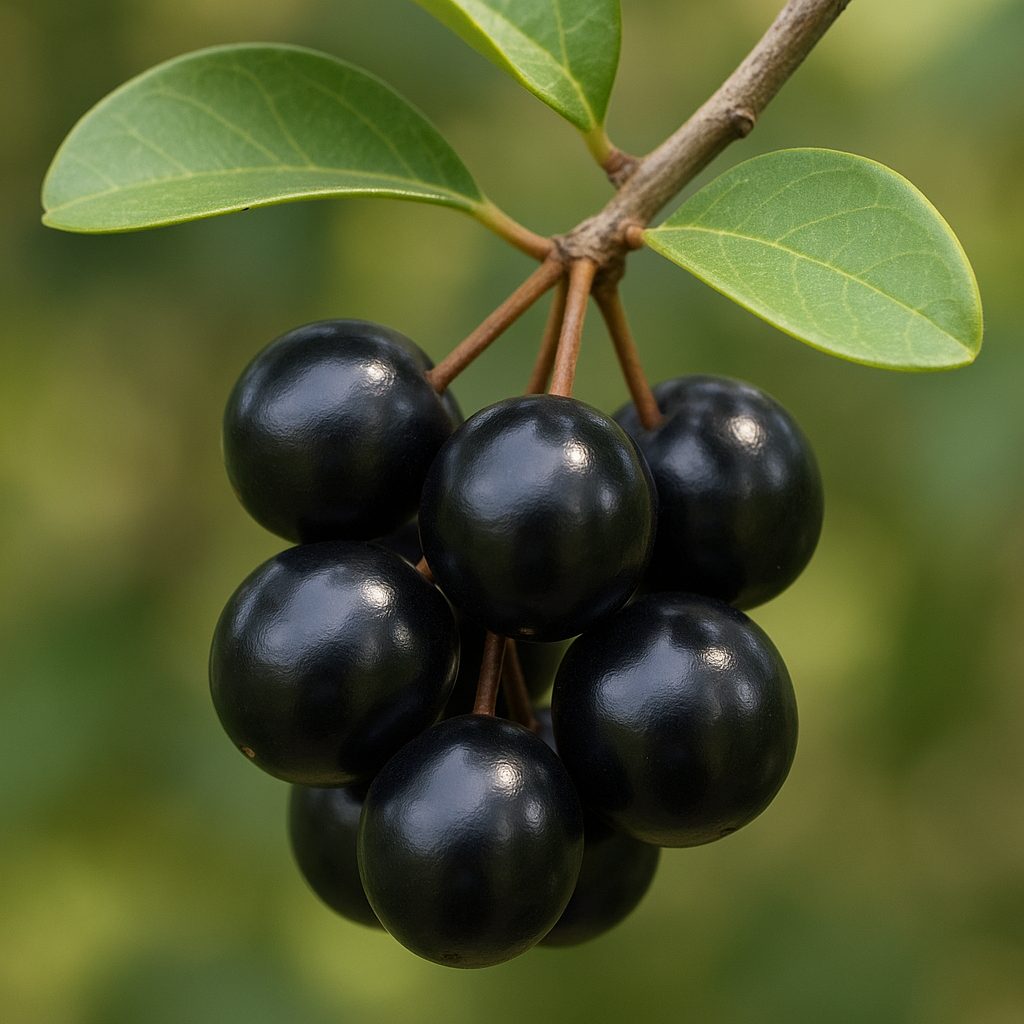
Originating from the Caribbean, the icaque is a small black berry with a discreet, slightly sweet taste. Its dense, almost mealy pulp sometimes evokes that of the chestnut. It is often incorporated into tarts or chutneys, where its flavor blends perfectly with warm spices.
Nutritional Profile and Benefits
While each fruit starting with I has its own taste identity, they share common points nutritionally: a good dose of vitamin C, fiber, and antioxidant compounds. The following table compares their estimated values per 100 g.
| Fruit | Vitamin C (mg) | Fiber (g) | Calories |
|---|---|---|---|
| Ilama | 35 | 2.8 | 70 |
| Imbé | 50 | 3.5 | 60 |
| Amla | 600 | 5.0 | 40 |
| Ice Apple | 30 | 1.0 | 50 |
| Ita Palm | 10 | 2.0 | 80 |
| Icaque | 60 | 3.0 | 40 |
- Vitamin C: supports immune function and collagen synthesis.
- Fiber: promotes digestion and satiety.
- Antioxidants: fight oxidative stress.
How to Choose and Store Properly
Identifying Ripeness
A ripe fruit shows a uniform color and slight softness under finger pressure. For the ice apple, prefer a fruit whose shell detaches easily; for amla, opt for a smooth surface without brown spots.
Touch and Smell
Beyond visual appearance, rely on the smell: a floral or slightly fermented scent indicates optimal ripeness. Avoid fruits that are too soft or have a sour odor.
Proper Storage
Most can be stored for a few days in the refrigerator, away from humidity. Amla, dried or processed into powder, can be stored at room temperature for several months. Ice apple, on the other hand, quickly loses its crunch and is ideally consumed the day of purchase.
FAQ
- Which fruits start with the letter I?
- Among the most well-known: ilama, imbe, amla, ice apple, ita palm, and icaco.
- How to prepare ilama?
- Cut it in half, scoop out the flesh with a spoon, and drizzle with a little lime juice to enhance its flavor.
- Is amla richer in vitamin C than orange?
- Yes: amla contains about 600 mg per 100 g, compared to 50 to 60 mg for orange.
- Can ice apple be frozen?
- Freezing alters its gelatinous texture; it is better to consume it fresh or, at worst, refrigerate it.
- Where to find imbe?
- At markets specializing in exotic fruits or in some gourmet grocery stores, depending on the season.