| Key points | Details to remember |
|---|---|
| 🥔 | Potatoes: tubers often **richer** in lithium than other vegetables depending on the soil. |
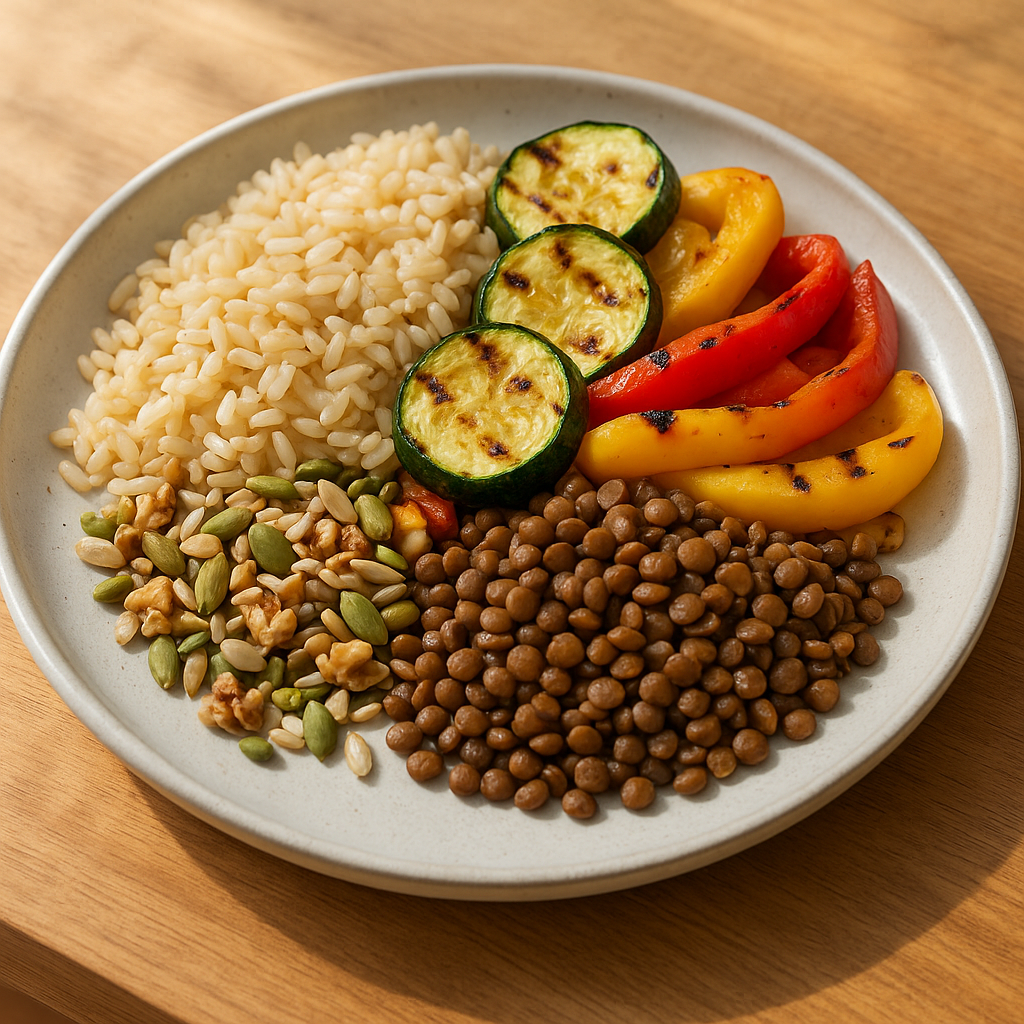
| 🌾 | Whole grains: oats, whole wheat and brown rice provide lithium at the dietary level. |
| 🥬 | Green vegetables: spinach and leaves vary in lithium depending on geographic origin. |
| 🥜 | Nuts and seeds: almonds, sunflower seeds and sesame contain lithium in moderate amounts. |
| 🥣 | Legumes: lentils and beans contribute to the daily mineral intake. |
| 🍽️ | Variety and cooking: favor diversity, gentle cooking and local products to capture lithium naturally present. |
Lithium often appears in medical discussions as a medication, but it also exists naturally in many foods. Understanding which foods contain this metal, and especially how to incorporate them into your menus without falling into misconceptions, helps better control your diet. Here you will find practical markers: which food groups are likely to provide lithium, why levels fluctuate, and easy recipes or substitutions to apply daily.
Sommaire
What is dietary lithium and why levels vary
Lithium is a trace element naturally present in soils, water and thus in the food chain. Unlike vitamins, it is not an officially classified nutrient with universal recommended daily intakes for the general population. Concentrations in foods depend heavily on two factors: the geological composition of the soil where the plant grows, and the local water cycle. One might expect stability, but in reality the same vegetable grown in two regions can show measurable differences in lithium.
This variability means several things for you: first, the absolute figures found in studies are indicative, not normative. Then, favoring varied foods — rather than seeking a single “rich in lithium” source — remains the most reliable strategy to obtain moderate and regular dietary exposure. Finally, for therapeutic needs, diet neither replaces nor modifies a medical treatment under supervision.
Foods naturally likely to contain lithium
It is useful to classify foods by groups, as certain families tend to concentrate lithium more. I describe below the main categories explaining why they can be interesting and how to consume them usefully.
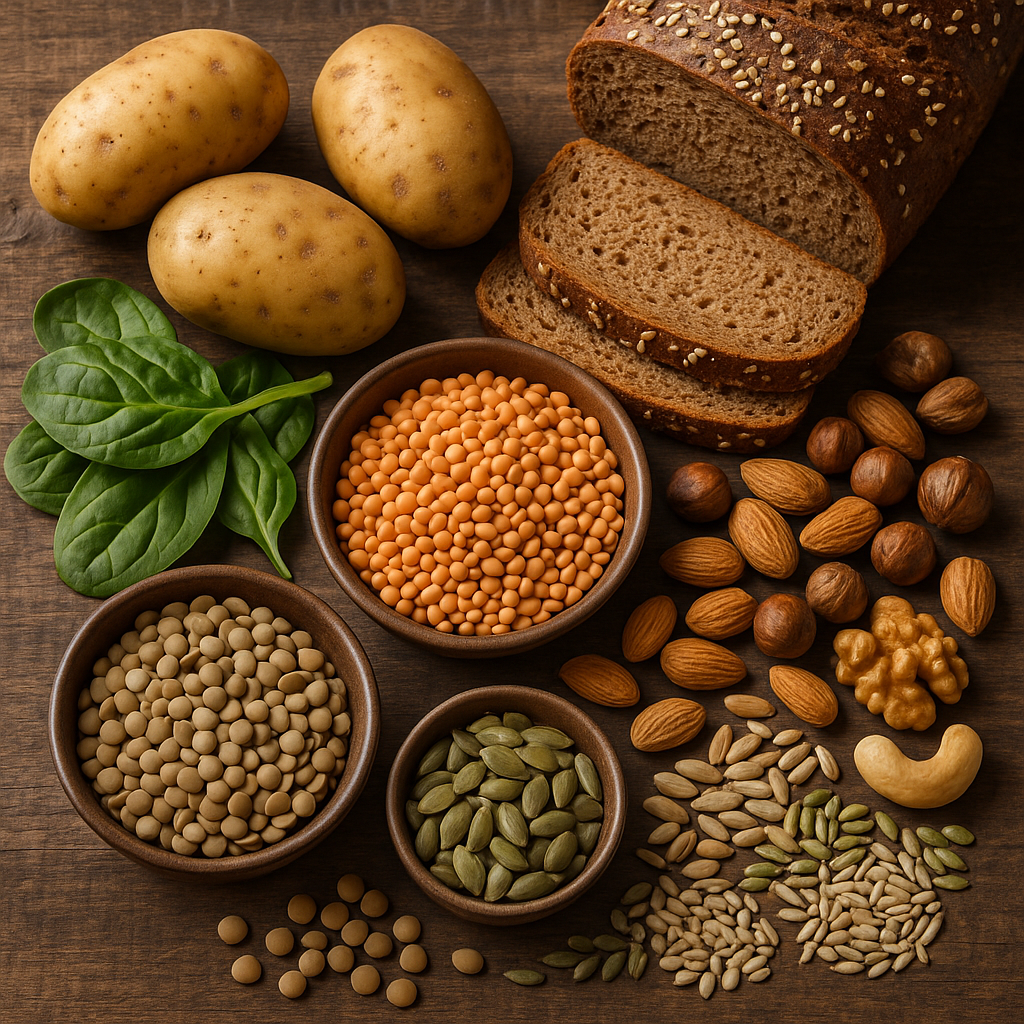
Tubers: potatoes and others
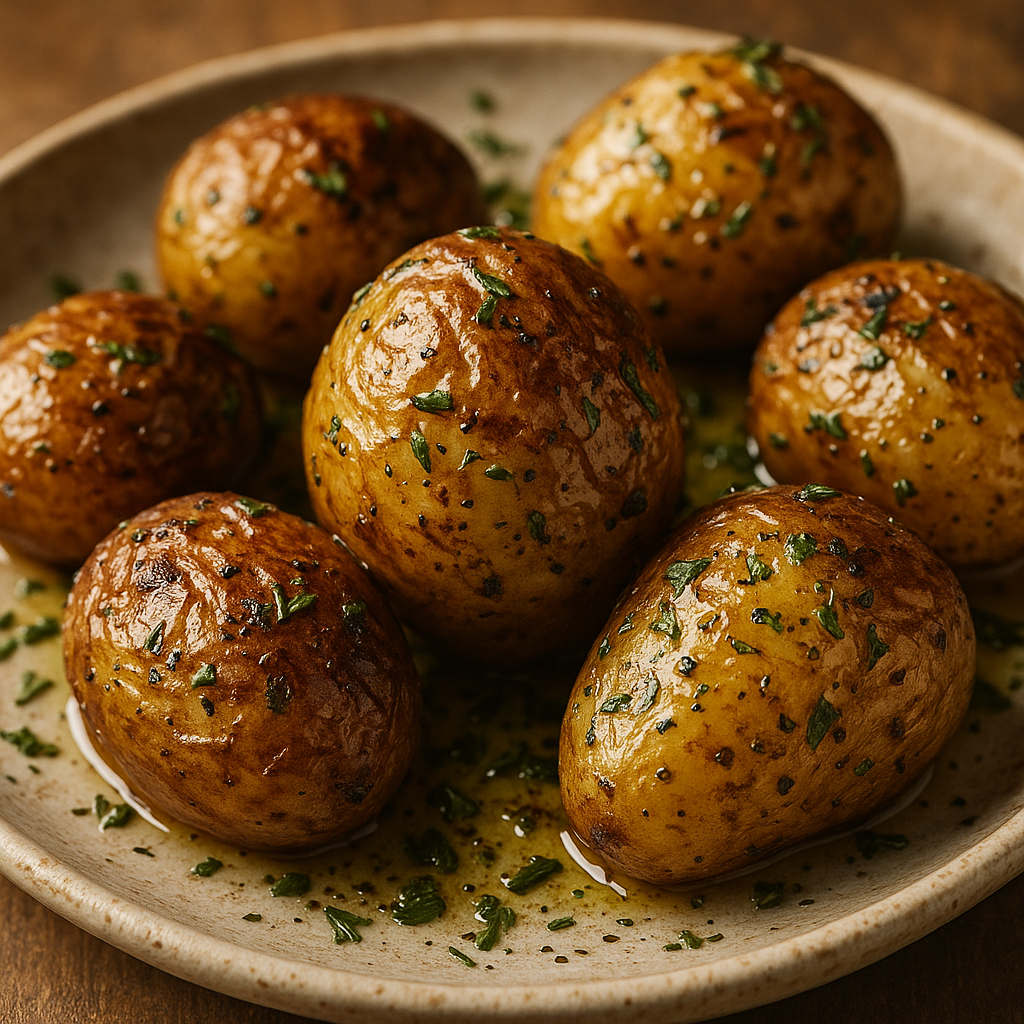
Tubers, especially potatoes, often come up as dietary sources of lithium. Their large surface area in contact with the soil and their ability to store minerals explain this. Rather than making them the cornerstone of a “lithium intake,” keep in mind that they constitute a simple energy and mineral base to integrate: mashed with olive oil, roasted potatoes with herbs, or new versions with skin to preserve minerals.
Whole grains and pseudo-cereals
Oats, buckwheat, quinoa, and brown rice provide minerals and fiber; their lithium concentration is often more noticeable than in refined cereals. Practical advice: replacing a portion of white bread or white rice with a slice of whole grain bread or a portion of oats in the morning increases, without excess, dietary exposure to lithium and other minerals. Oat flakes cooked in water are an excellent starting point for simple and nutritious breakfasts.
Legumes: lentils, peas, and beans
Legumes store minerals in their tissues, making them natural candidates to provide lithium. In practice, incorporating lentils in salads, preparing a vegetarian chili with red beans, or using homemade hummus reduces dependence on animal proteins while diversifying mineral sources.
Green vegetables and tomatoes
Spinach, chard, and other leaves are often cited for their overall mineral richness. Tomatoes, although less rich in minerals than leaves, also contribute. Varying the source — local, seasonal products — increases the chances of obtaining different and complementary intakes.
Nuts, seeds, and dairy products
Nuts, almonds, sunflower or sesame seeds contain lithium at the dietary level. Dairy products also often show a presence of lithium, variable depending on the animals’ diet and water. A handful of seeds or a plain yogurt integrated daily is a simple way to increase dietary exposure without unbalancing the diet.
Summary table: foods and relative lithium level
| Group | Relative level | How to integrate it |
|---|---|---|
| Potatoes | Moderate | Baked with skin, mashed with olive oil |
| Whole grains | Moderate | Porridge, whole grain breads, quinoa salads |
| Legumes | Moderate | Lentil soup, salads, hummus |
| Green vegetables | Variable | Quick sautés, raw vegetables, green smoothies |
| Nuts and seeds | Low to moderate | Snack, salad topping, seed bread |
How to integrate these foods daily — practical ideas
You don’t need to radically change your diet to benefit from dietary lithium intake. Here are simple actions designed to be easy to apply even during busy weeks.
- Breakfast: oatmeal porridge with a spoonful of sunflower seeds and a few almonds.
- Lunch: warm salad of lentils, quinoa, spinach shoots, and roasted potatoes.
- Dinner: fish or tofu, accompanied by brown rice and a mix of root vegetables.
- Snack: plain yogurt topped with sesame seeds and a banana.
- Cooking tip: steam or roast rather than boil to limit mineral loss in cooking water.
Precautions and warnings
Some points of caution are necessary. First, dietary lithium intake remains low and very variable: it does not replace medical treatment for psychiatric disorders requiring prescribed lithium. Second, if you are already taking medications affecting water balance or kidney function, or if you have a history of kidney issues, talk to your doctor before drastically changing your salt or mineral intake. Third, be careful with supplements: lithium supplements can reach pharmacological doses; only a healthcare professional should assess their appropriateness.
FAQ — short and practical answers
1. Can lithium be precisely measured in a food?
Yes, lithium can be measured in a laboratory, but values depend on the soil and water. For consumers, it is more useful to adopt dietary diversity than to seek an exact measurement.
2. Do mineral waters contain lithium?
Some mineral waters contain lithium at varying levels. As with foods, the amount depends on the source. Drinking water should not replace medical advice in case of a specific pathology.
3. Should certain foods be avoided if taking medicinal lithium?
Pharmaceutical lithium mainly interacts with hydration, sodium, and kidney function. Discuss with your doctor: they can advise dietary adjustments suited to your situation.
4. Do vegetarians receive more or less lithium?
Vegetarian diets rich in whole grains, vegetables, and legumes can provide a similar or even higher dietary lithium exposure compared to an omnivorous diet, depending on food choices and origin.
Practical conclusion
Rather than aiming for a “maximum” lithium intake through diet, adopt a strategy of diversity: tubers, whole grains, legumes, green vegetables, and a handful of nuts or seeds form a nutrient-rich mineral base. These choices improve overall diet quality while providing, incidentally, natural lithium. If your concern involves a pathology or medication, consulting a healthcare professional remains essential.