| Key points | Details to remember |
|---|---|
| 🧪 Definition | Lithium is a trace element present in many foods and in water; its intake varies depending on the soil. |
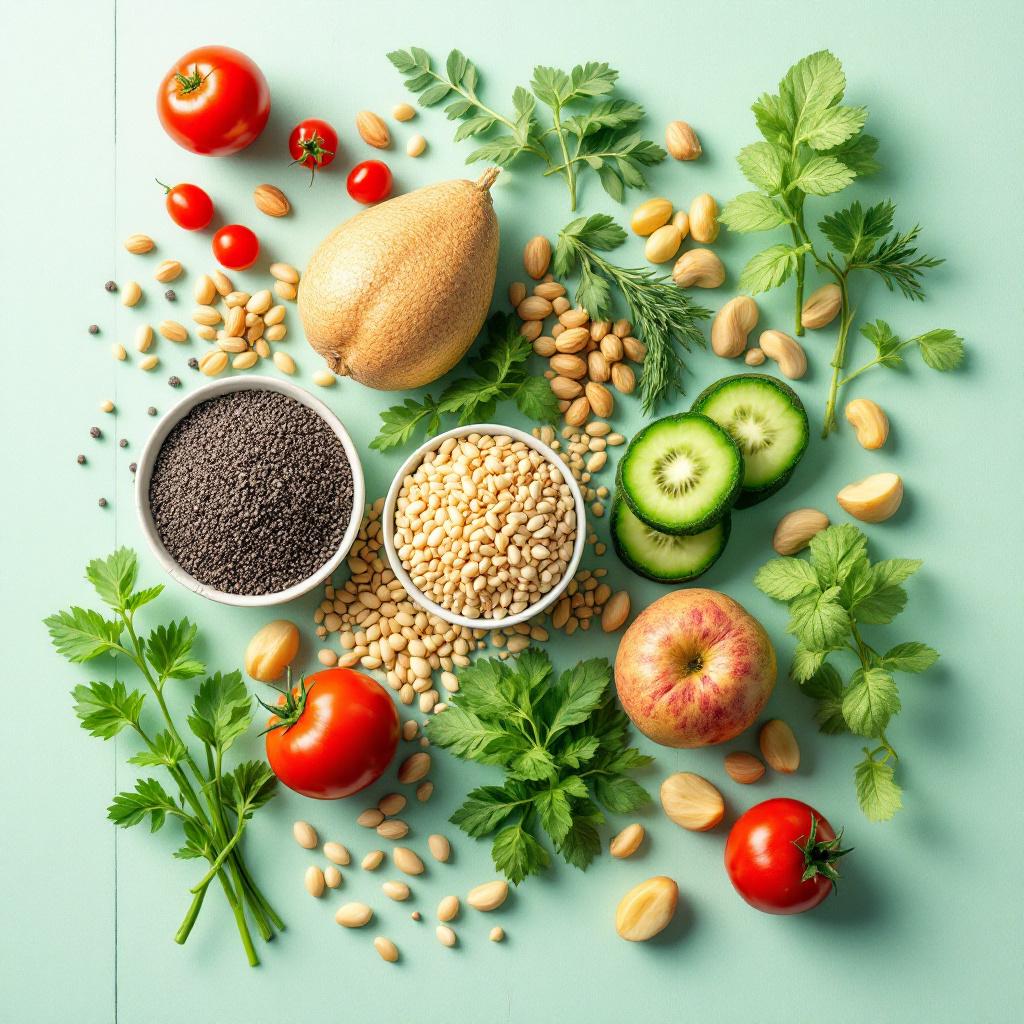
| 🥔 Main foods | Roots, cereals, legumes and some seafood often top the measured contents. |
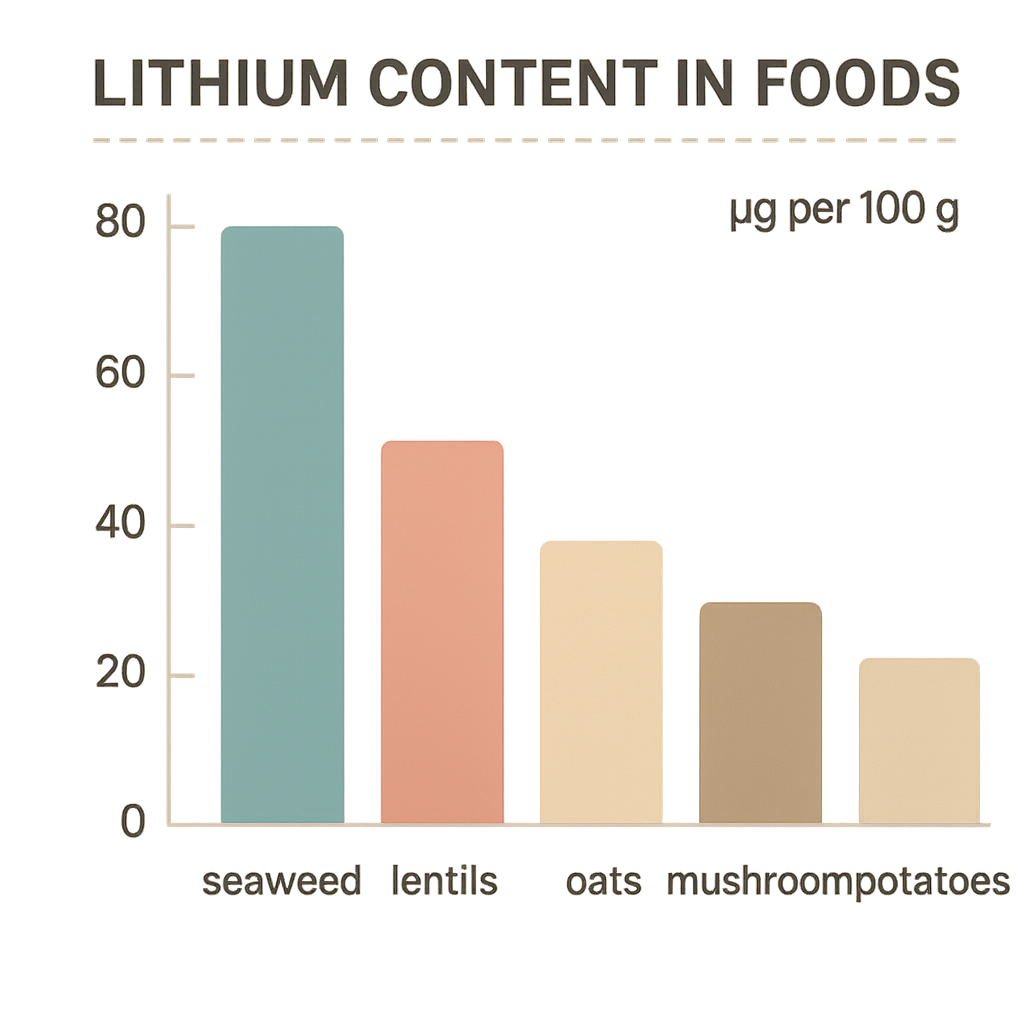
| 📊 Measurements | The values are expressed in µg per 100 g and remain indicative: significant geographical variability. |
| 🌱 Plant-based alternatives | Seaweed, whole grains and oilseeds offer interesting plant-based options. |
| ⚖️ Risks | Lithium deficiency is rare but can be considered in case of neuropsychic symptoms; consult a professional. |
| 🧾 Practical recommendation | Vary food sources and monitor water quality if interested in lithium. |
Lithium — often mentioned for its medical uses at high doses — also circulates in trace amounts in our diet. Rather than obsessing over it, it is important to understand its distribution: some foods concentrate this mineral more, but contents mainly depend on soil, irrigation, and agricultural practices. This article offers a pragmatic ranking of the 12 foods that, on average, provide the most lithium, gives estimated contents per serving, and suggests plant-based alternatives if you want to limit animal products while avoiding a possible lithium deficiency.
Sommaire
How to read the numbers: precautions and variability
The contents indicated below are representative ranges, drawn from published analyses and food composition studies. They serve for comparison, not to establish a fixed value: two apples grown a few kilometers apart can show notable differences. The lithium concentration of a food mainly depends on the soil pH, the salinity of the irrigation water, and mineral inputs. Therefore, consider these figures as orders of magnitude and not as guarantees.
Top 12: foods rich in lithium (indicative values)
Here is the ranked list, accompanied by estimates per 100 g and per standard serving. Units are in micrograms (µg) per 100 g. A typical serving is indicated to make the reading concrete.
| Rank | Food | Indicative content (µg/100 g) | Equivalent per serving |
|---|---|---|---|
| 1 | Seaweed (kelp, wakame) | 10 – 200 | 1 tbsp dry ≈ 50–200 µg |
| 2 | Lentils and legumes | 10 – 40 | 1 cooked bowl (200 g) ≈ 20–80 µg |
| 3 | Oats and whole grains | 5 – 30 | 1 bowl (40 g dry) ≈ 2–12 µg |
| 4 | Mushrooms (wild or cultivated varieties) | 5 – 50 | 100 g ≈ 5–50 µg |
| 5 | Potatoes | 5 – 20 | 1 medium (150 g) ≈ 7–30 µg |
| 6 | Tomatoes and concentrates | 2 – 15 | 1 tomato (100 g) ≈ 2–15 µg |
| 7 | Fatty fish (salmon, mackerel) | 5 – 30 | 100 g ≈ 5–30 µg |
| 8 | Nuts and seeds (almonds, sunflower seeds) | 2 – 20 | 30 g ≈ 1–6 µg |
| 9 | Spinach and green vegetables | 5 – 25 | 100 g cooked ≈ 5–25 µg |
| 10 | Meat (beef, poultry) | 1 – 15 | 100 g ≈ 1–15 µg |
| 11 | Dairy products (whole milk) | 1 – 5 | 1 glass (200 ml) ≈ 2–10 µg |
| 12 | Egg | 1 – 5 | 1 egg ≈ 1–5 µg |
Interpretation of values
Seaweed often tops the rankings because it concentrates elements dissolved in seawater. On the other hand, most terrestrial foods provide lithium only in trace amounts, sufficient for most varied diets. Note that legumes, whole grains, and certain mushrooms represent a coherent food group if you are looking to increase your intake from plant sources.
Plant-based alternatives to avoid lithium deficiency
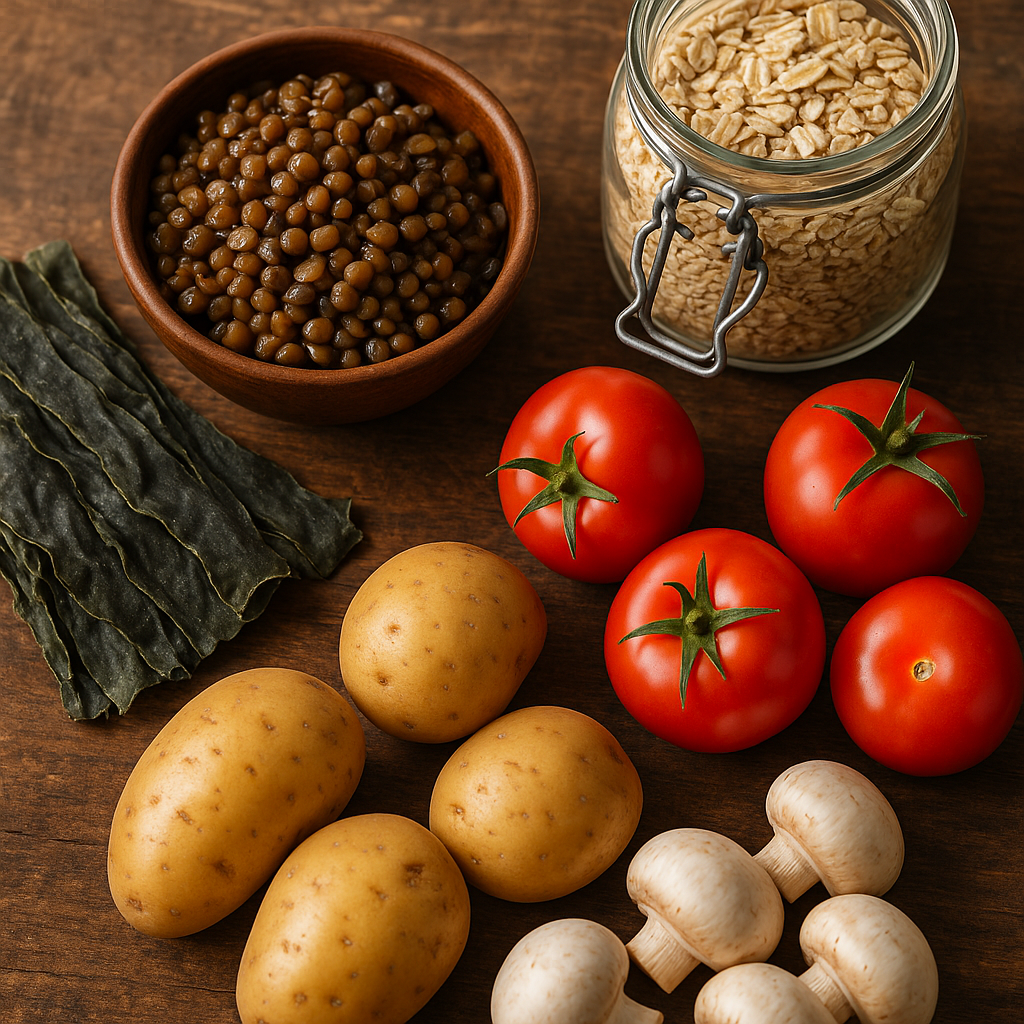
If you favor a plant-based diet, know that several food families combine well to limit the risk of lithium deficiency. Seaweed, although excellent, is not essential: combine whole grains, legumes, mushrooms, and root vegetables to cover most of the intake. Such a dietary strategy also provides other complementary micronutrients and improves overall bioavailability.
- Seaweed: a small portion is sufficient, watch the iodine content.
- Legumes: lentils, chickpeas, and beans, to be consumed regularly.
- Whole grains: oats, quinoa, spelt — whole grains retain more trace elements.
- Mushrooms: an excellent often underestimated plant-based alternative.
- Nuts and seeds: complement the intake, to be included in small amounts.
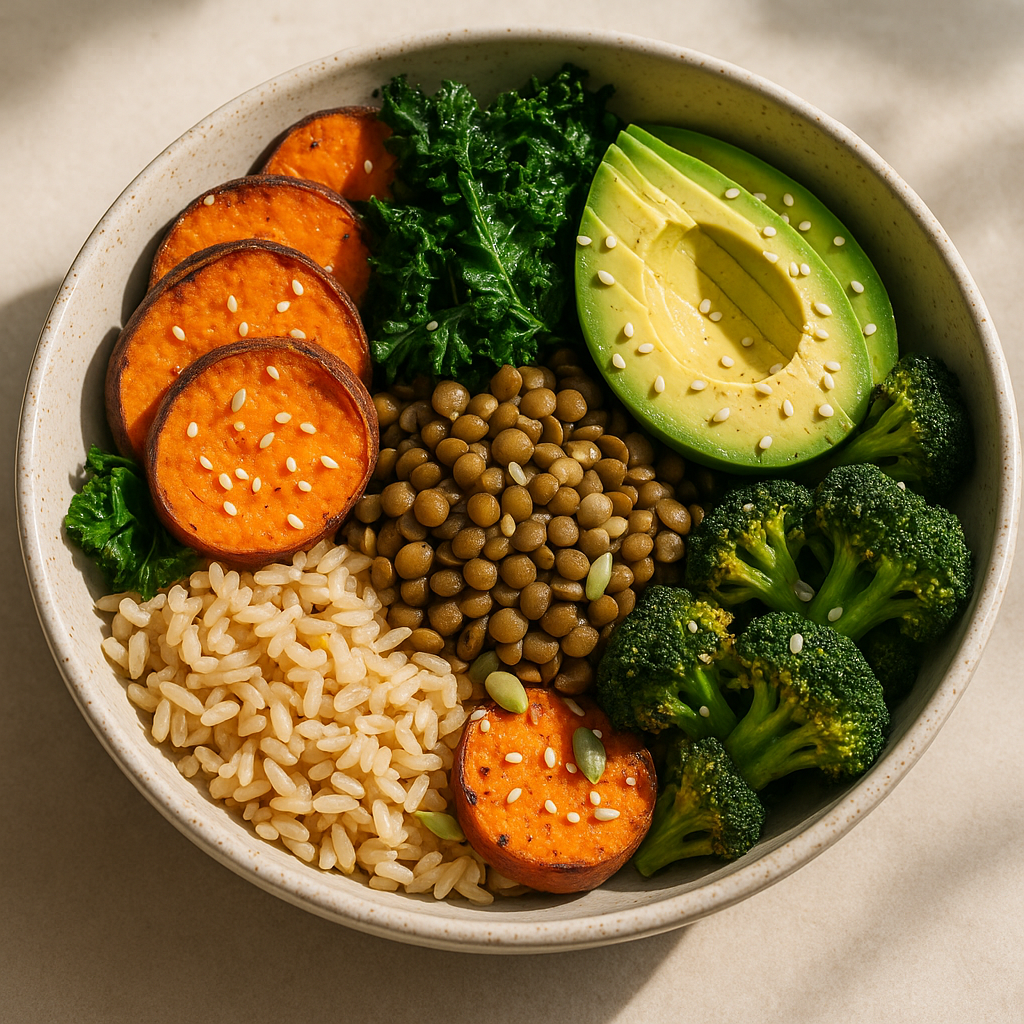
For those interested in complementary nutrients, the combination of good hydration, rich soil, and crop rotation indirectly promotes intake via plants. In cooking, think of soups based on legumes and root vegetables, or bowls with grains + sautéed vegetables + seeds to accumulate regular intake.
Practical advice: portions, cooking, and water
Cooking does not necessarily eliminate lithium, but dilution (broths, cooking in water) can reduce the concentration per serving. Conversely, dried or concentrated foods (e.g., dried seaweed, tomato concentrates) can increase the content per gram. Finally, drinking water can significantly contribute to intake: in some regions, mineral or tap water contains non-negligible concentrations of lithium. If you are exploring the issue from the perspective of mental health or a specific treatment, discuss it with a practitioner, as medicinal lithium is administered at much higher doses and is medically managed.
Table: quick estimate per serving (examples)
| Food | Portion | Estimated lithium (µg) |
|---|---|---|
| Cooked lentils | 200 g | 20–80 |
| Oats (dry) | 40 g | 2–12 |
| Seaweed (dry) | 10 g | 5–100 |
| Cooked mushrooms | 100 g | 5–50 |
Possible signs of lithium deficiency and recommended actions
The concept of lithium deficiency is still debated: at low doses, lithium might play a role in regulating mood and neuronal functions, but human deficiency thresholds are not formally established. Reported signs associated with insufficient intake include mood disorders or energy fluctuations, but these symptoms are nonspecific and multifactorial. In practice, if you suspect a deficiency or have neuropsychological concerns, consult a healthcare professional who can assess the overall context and suggest tests if necessary.
Practical resources and recipes
To incorporate more lithium into your diet without changing your daily routine, favor simple recipes: warm lentil salads, oatmeal bowls for breakfast, sautéed mushrooms with whole grains, and moderate addition of flaked seaweed as a condiment. If you want to explore foods rich in antioxidants and their culinary integration, a comparison on antioxidants offers additional ideas. And to optimize your evenings, including foods rich in tryptophan can complement a dietary strategy focused on nervous system well-being.
FAQ
Can lithium intake be quickly increased through diet?
You can modestly increase intake by favoring seaweed, legumes, and whole grains, but the effect will be gradual and depend on maintaining a varied diet.Can dietary lithium interact with lithium carbonate treatment?
Yes: if you are undergoing medical lithium treatment, report any dietary changes to your doctor; dietary intakes remain low compared to therapeutic doses, but medical monitoring is necessary.Should an assessment be done if lithium deficiency is suspected?
A medical assessment is recommended rather than self-diagnosis. Biological tests and clinical evaluation help clarify the situation.