| Key points | Details to remember |
|---|---|
| 🕵️♂️ Identification | Spot specific marks and symptoms |
| 🧼 Cleaning | Disinfect the affected area quickly |
| ❄️ Relief | Apply cold and appropriate remedies |
| 👀 Monitoring | Observe the progression to avoid complications |
| 🛡️ Prevention | Adjust your environment and clothing |
| 👩⚕️ Consultation | Know when to consult a healthcare professional |
A few summers ago, during a countryside outing with friends, I discovered upon waking a small red stinging spot on my right calf. I immediately thought it was a common insect bite… until my friend Paul mentioned his nasty experience following a spider bite. Panic! Quickly, I searched through my first aid notes, applied some simple measures, and prevented the situation from worsening. This mishap convinced me of the value of preparing a small 5-step protocol to effectively manage any spider bite. Here is my detailed feedback, enriched with practical and fully tested advice.
Sommaire
Step 1: Identify the bite
Context and location of the bite
First of all, ask yourself: where were you at the time of the bite? In a dark corner of the garage, under a tree, or in tall grass? Each spider species has its habits. For example, web spiders often reside in bushes or on exterior wall corners, while wandering spiders (which do not weave visible webs) can hide in shoes or unorganized clothing.
Specific symptoms and signs
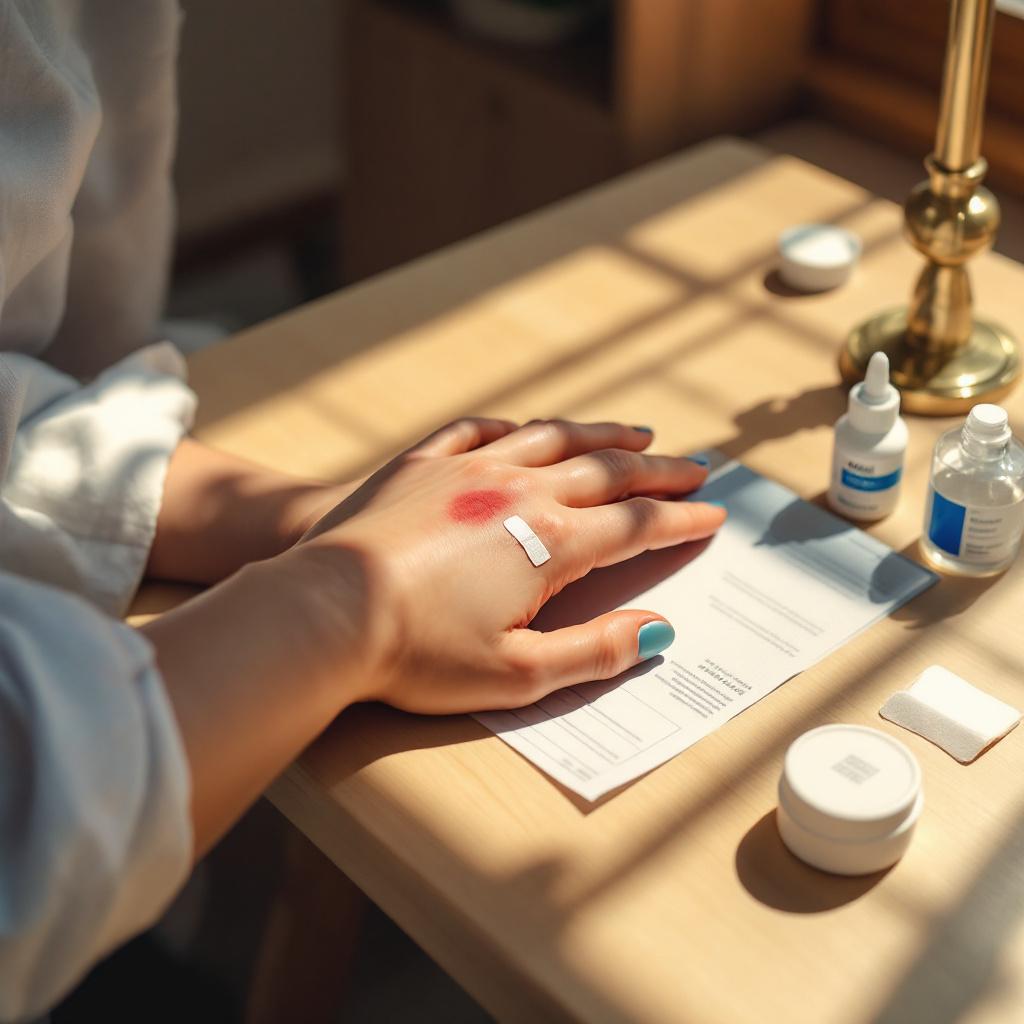
The clinical picture varies: two close small dots (marks from chelicerae), widespread redness, burning or tingling sensation, even small blisters. Generally, a low-venom bite causes local swelling, sometimes slight itching. But if you quickly observe sharp pain, central muscle aches, or general signs (nausea, fever), it may be a more serious bite, such as from the black widow or brown recluse.
Step 2: Clean and disinfect without delay
Necessary materials
- Mild soap (such as Marseille or glycerin soap)
- Antiseptic (Betadine, chlorhexidine)
- Compresses or cotton
- Disposable gloves (optional but recommended)
Cleaning Technique
Immerse the area in warm soapy water for 2 to 3 minutes. This soaking helps to remove dirt and residual venom. Dry with a clean compress then apply an antiseptic by gently dabbing. Avoid rubbing: you risk spreading toxins under the skin. If you have 70% hydroalcoholic gel, it can help in a pinch but does not replace a traditional antiseptic.
Step 3: Relieve Inflammation and Pain
Local Cold Application
Cold = an instant ally against swelling. Apply an ice pack, a bag of frozen vegetables, or a glove soaked in cold water directly on the sting, 10 minutes every hour. This simple “cryotherapy” reduces vasodilation and limits the spread of redness.
Medications and Natural Remedies
- Paracetamol or ibuprofen for pain and inflammation.
- Cream containing phenol or arnica to soothe the sensation of irritation.
- A small compress of fresh aloe vera gel for its healing properties.
Personally, I alternate between cold compresses and a light layer of aloe gel, which also offers a very pleasant cooling effect if the spot remains very hot to the touch.
Step 4: Monitor the Evolution
Signs of Worsening Not to Neglect
Keep an eye on:
- The appearance of necrosis (black spot or wound in the center of the redness).
- A rapid spread of redness or a network of red streaks (lymphangitis).
- Chills, fever above 38 °C, nausea, persistent headaches.
If you detect any of these symptoms, do not delay: it is time to consult a healthcare professional.
When to See a Doctor?
Even if you get immediate relief, some venoms can cause an inflammatory rebound several hours after the sting. In case of persistent doubt or systemic reaction, head to a poison control center or emergency department. Better safe than sorry, right?
Step 5: Prevent and Protect Daily
Suitable Equipment and Clothing
Before any risky activity (gardening, attic tidying, forest walks), plan for:
- Thick and high gloves.
- Long sleeves and pants tight at the ankles.
- High shoes rather than sandals.
Home Arrangement Tips
A slight rearrangement of your storage can avoid cohabitation: store boxes up high, always shake shoes and gloves before use, and ventilate damp rooms well. Light and ventilation drive away many arachnids, which prefer shade and humidity.
“The best treatment is prevention” – amateur first aid proverb.
FAQ
- Can venom be removed by sucking the sting?
No. Oral or mechanical suction can worsen the injury and spread the venom. Prefer gentle cleaning and an antiseptic.
- What is the difference between a spider sting and bite?
Technically, it is called a bite when the spider injects venom with its chelicerae. In common language, people often say “sting” because the pain felt is similar to that of an insect sting.
- Are children more vulnerable?
Yes, their small size and thinner skin expose them to more intense reactions. Watch them closely and consult as soon as symptoms (fever, severe pain) appear.
Overall, managing a spider bite is not a matter of esoteric mystery but a series of simple, quick, and effective actions. By staying calm, clean, vigilant, and protected, one significantly minimizes the risks of complications. Thank you for taking the time to read these tips! Take care of yourself and stay alert to the little critters that cross your path 🕷️✨