| Key Points | Details to Remember |
|---|---|
| 🌱 Definition | Proteins derived from plants, legumes, and seeds |
| 💪 Main Benefits | Muscle toning and metabolic balance |
| 🔍 Mechanisms | Fermentation and presence of antinutrients |
| 🔧 Strategies | Soaking, cooking, and adapted enzymes |
| 🍽️ Preparation | Gradual introduction and varied choices |
| 📈 Expected Results | Significant reduction of bloating within a few weeks |
The nutritional value of plant proteins is often praised, but behind this glowing picture sometimes hides an insidious sensation of bloating. In reality, the issue is not to give up chickpeas or lentils, but to understand why these foods, true concentrates of fiber and bioactive compounds, sometimes cause gas and how to mitigate their effects to fully enjoy their virtues.
Sommaire
Why Plant Proteins Can Cause Bloating
Role of Fibers and Antinutrients
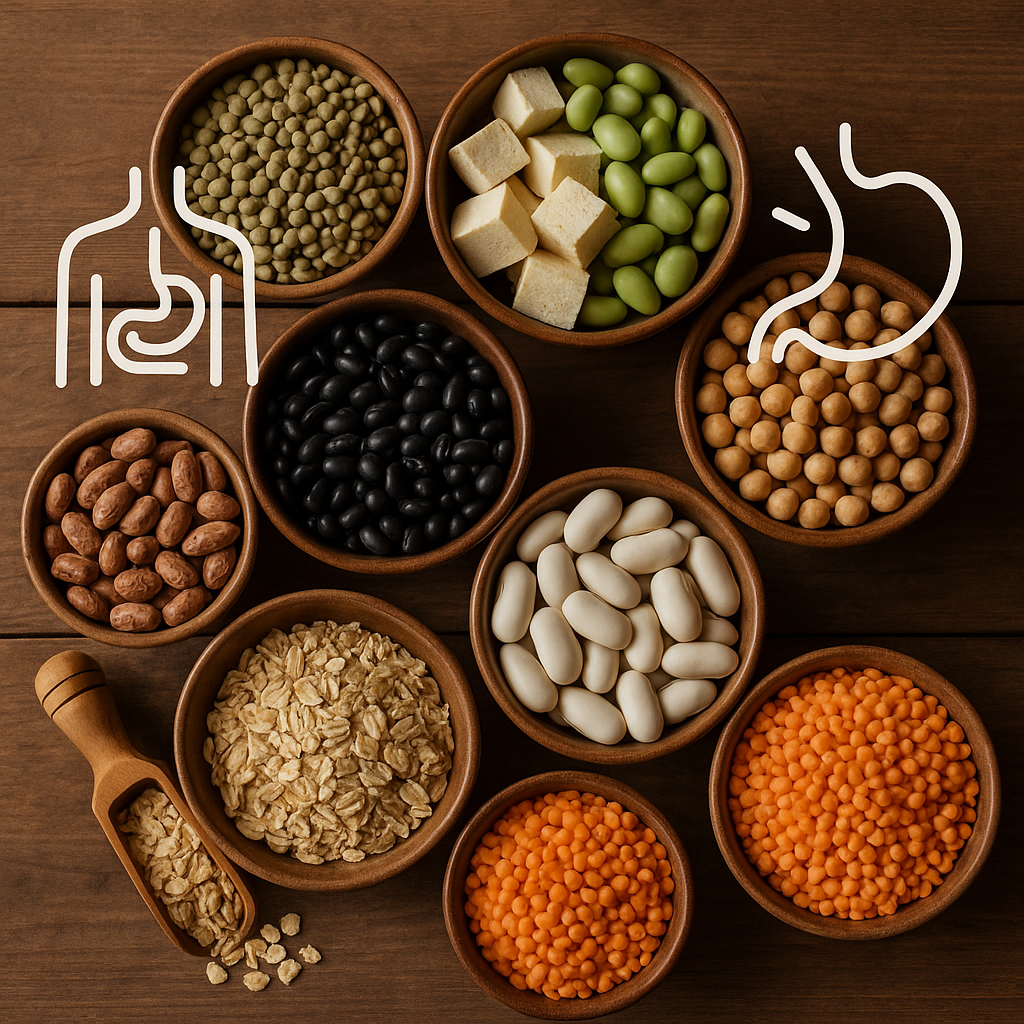
Legumes and some whole grains are rich in soluble and insoluble fibers: the latter stimulate transit, while the former are fermented by the gut flora. During this process, gases (CO₂, methane) are released, causing this sensation of a bloated stomach. Added to this are antinutrients like phytates or lectins, which interfere with the digestion of proteins and minerals, increasing discomfort. One might think these compounds are systematically harmful, but they also play a protective role for the plant: it is enough to adapt our cooking to limit their impact.
Mechanisms of Intestinal Fermentation
The microbiota uses undigested oligosaccharides as nourishment, which generates gaseous waste. It’s a bit like an engine idling: the more fuel you provide it (specific fibers), the more the catalyst (your flora) heats up and produces by-products. Each individual has a different tolerance, influenced by the composition of their intestinal bacteria and their dietary history. For example, some people notice their stomach tightens more strongly after a bowl of red beans than with coral lentils.
Strategies to Limit Undesirable Effects
Choice and Preparation of Foods
Soaking legumes for at least 8 hours before cooking significantly reduces oligosaccharides, the main cause of fermentation. Some nutritionists recommend discarding the first soaking water, then rinsing thoroughly. Additionally, methods such as pressure cooking or using a pressure cooker reduce the necessary cooking time and alter the fiber structure. In practice, this means your chickpeas become more tender and less “aggressive” for the intestine.
Addition of Enzymes and Carminative Herbs
Enzymatic preparations (alpha-galactosidase) that specifically break down indigestible sugars can be found in pharmacies or health food stores. Sprinkling a few drops into the cooking water or taking them before a meal can make a real difference. Like plants such as fennel, anise, or coriander, these enzymes help disperse gas bubbles. 💡 Grandma’s tip: a fennel seed infusion after the meal offers a soothing effect and limits intestinal spasms.
Gradual Adjustment of Intake
Going overboard by introducing 200 g of white beans all at once risks being stuck on the couch for several hours. Instead, increase portions gradually, starting with small spoonfuls of legumes in a salad or broth. The digestive system adapts: bacteria capable of fermenting these fibers develop over weeks. Overall, this gradual approach ensures increased tolerance and better microbial diversity.
Alternatives and Supplements
If despite all these precautions your stomach still resists, you can explore sources of plant proteins lower in fermentable fibers: tofu, tempeh, or isolated pea proteins. 💡 It is noted that, unlike whey protein, some concentrated forms of which also cause bloating, these fermented derivatives are gentler on the intestine. Moreover, sprouted legumes are easier to digest and contain fewer phytates, while maintaining an attractive nutritional profile.
| Legume | Fiber (g/100 g) | Potential Bloating* |
|---|---|---|
| Red lentils | 8.9 | Low |
| Chickpeas | 7.6 | Medium |
| Red beans | 8.7 | High |
| Tempeh | 1.4 | Very low |
*Evaluation based on feedback and oligosaccharide content
FAQ
- Why don’t I feel an immediate effect after soaking? Soaking reduces oligosaccharides, but tolerance mainly depends on your microbiota. Combine this step with gentle cooking and observe how your system reacts.
- Do insoluble fibers cause problems? No, they simply stimulate transit. By mixing legumes and refined cereals, you can balance intake and limit excessive fermentation.
- Does adding vinegar or baking soda help? A little baking soda (¼ teaspoon) can soften legumes, but beware, too much makes the texture pasty and alters the taste.
- Should I avoid red beans completely? Not necessarily: reduce portions, vary legumes, and combine them with carminative herbs.