| Key Points | Details to Remember |
|---|---|
| 📖 Definition | Soluble fibers extracted from Plantago ovata |
| 🏋️ Slimming Benefit | Increase in satiety sensation |
| 💧 Mechanism | Gelation delaying gastric emptying |
| 🔬 Clinical Studies | Evaluation of effects at low doses |
| 📏 Low Dose | Doses from 5 to 10 g per day |
| ⏱ Timeframe of Effects | Observations within 4 to 8 weeks |
| ✅ Recommendations | Integrate progressively into the diet |
Psyllium, often known for its digestive virtues, also proves relevant for weight loss goals at low doses. Rather than considering massive intakes, recent research shows that a modest amount is enough to stimulate the feeling of satiety and regulate appetite. Here we explore the physiological mechanisms, clinical results, and how to incorporate it into your daily routine without major constraints.
Sommaire
Mechanisms and Scientific Foundations
How Psyllium Acts on Appetite
When ingested, psyllium swells upon contact with water, forming a viscous gel that lines the stomach. This gelation slows gastric emptying and prolongs the feeling of “fullness.” At the same time, the intestinal wall experiences mechanical stimulation that can modulate the release of anorexigenic peptides. Ultimately, the natural tendency to “snack” between meals is considerably reduced.
Results from Low-Dose Research
Several clinical trials have tested intakes of 5 to 10 g per day, contrasting with the often higher doses above 20 g prescribed for transit regulation. In these studies, volunteers report an average 15% decrease in daily caloric intake, without notable rebound effects. These results rely on modulation of hunger signals and a slight improvement in body composition.
Comparison with Other Types of Fibers
Psyllium versus Traditional Fibers
While fibers such as inulin or those derived from konjac also play a role in satiety, their mechanisms differ. Konjac, in particular, swells more and forms a denser mass, whereas psyllium offers the advantage of adjustable viscosity depending on the amount of water ingested. This flexibility allows adjusting the satiating effect without risking major discomfort.
Dosage and Timing of Effects
Choice of dose and protocol
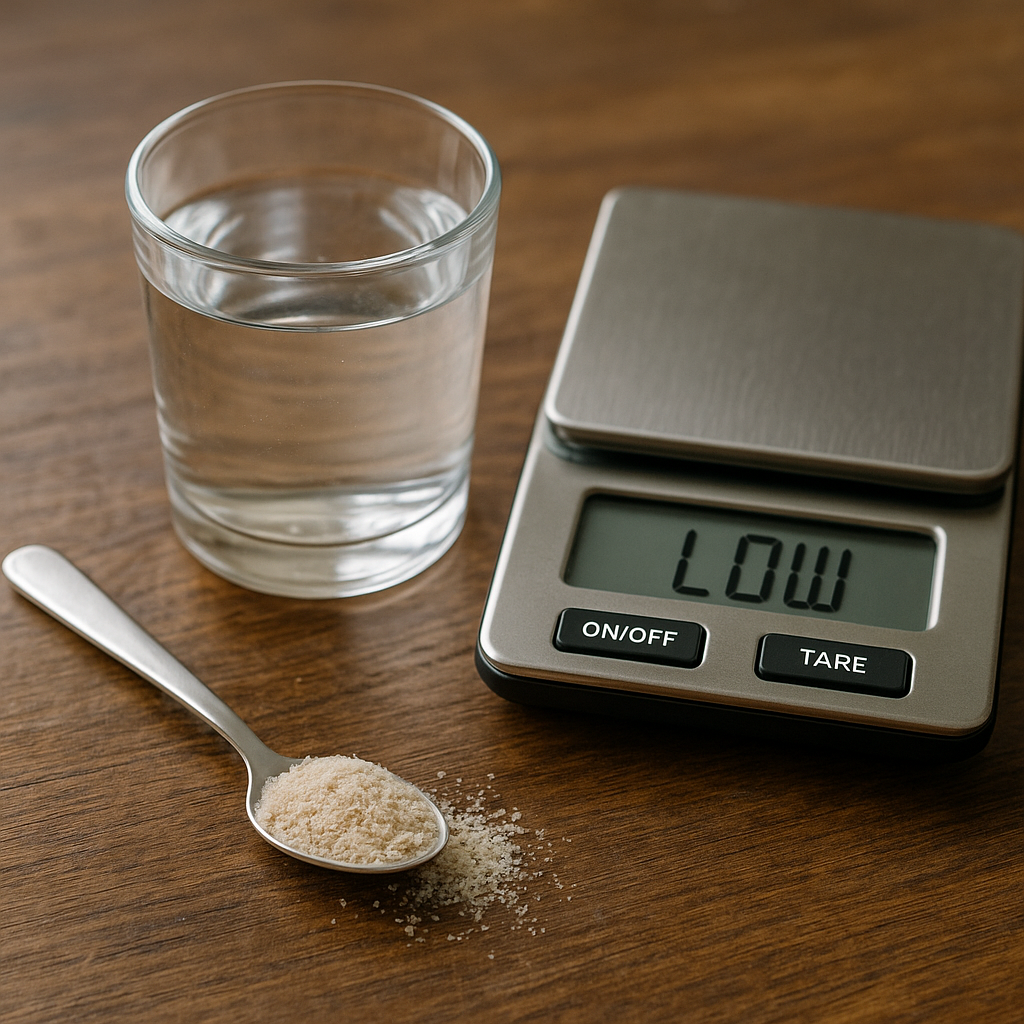
Start with 2 g at breakfast, then adjust up to 10 g in a single dose or divided doses. The important factor is dilution: each gram must be mixed with at least 150 ml of water. This precaution prevents the formation of overly dense masses that could cause digestive discomfort.
Time of action and delay of effects
The first changes in appetite can appear as early as two weeks, but the maximum effect is often observed between four and eight weeks. Researchers emphasize the regularity of intake: missing several days can reduce the overall effectiveness of the program.
Precautions and management of discomfort
Contraindications and interactions
Psyllium can slow the absorption of certain medications (antidiabetics, anticoagulants). In case of chronic treatment, it is recommended to respect a two-hour interval between taking psyllium and the medication. People suffering from esophageal aspiration or esophageal stenosis should avoid it.
How to minimize side effects?
Bloating and flatulence are the most frequent discomforts. To reduce them, it is advised to start very gradually and increase the amount of water. Regular consumption of probiotics and a varied diet rich in fruits and vegetables also help stabilize the intestinal flora and limit these symptoms.
Easily integrate psyllium into daily life
- In a glass of warm water upon waking, to enjoy a morning appetite suppressant effect.
- Mixed into plain yogurt or unsweetened applesauce.
- Incorporated into a salad dressing or vinaigrette to increase viscosity.
- Sprinkled on soup or broth at the end of cooking.
FAQ
- Does psyllium really help with weight loss?
- Yes, by promoting satiety and reducing calorie intake. Clinical studies at low doses confirm a significant impact on appetite.
- What is the best time to take it?
- Morning at breakfast is ideal, but the dose can also be split before main meals.
- Is there a risk of nutrient deficiency?
- No, psyllium does not prevent the absorption of essential nutrients if consumed with enough water and respecting medication timing.
- Can I combine psyllium with other slimming supplements?
- Yes, provided total fiber intake is monitored and adequate hydration is maintained.