
| Key Points | Details to Remember |
|---|---|
| 🛡️ Natural Defense | Lactobacilli create a protective barrier against pathogens |
| ⚖️ Fragile Balance | Antibiotics, stress, or excessive hygiene can destabilize the vaginal ecosystem |
| 🔬 Targeted Strains | L. rhamnosus GR-1 and L. reuteri RC-14 have clinically proven efficacy |
| ⏱️ Treatment Duration | Treatments generally require 2 to 3 months for lasting recolonization |
| 🌡️ Routes of Administration | Oral and vaginal forms offer complementary advantages |
| 🔍 Selection Criteria | Prefer products with documented strains and guaranteed viability |
That persistent burning sensation, those untimely itches, or unusual discharge… Many have experienced the discomfort of vaginal imbalance. Behind these symptoms often lies a microscopic battle where probiotics play a key regulatory role. Our intimate flora forms a complex ecosystem dominated by lactobacilli, those beneficial bacteria that maintain an acidic environment hostile to unwanted microbes. When this balance wavers, specific probiotics offer a natural solution to restore microbial harmony.
Sommaire
The Vaginal Ecosystem: A Delicate Balance
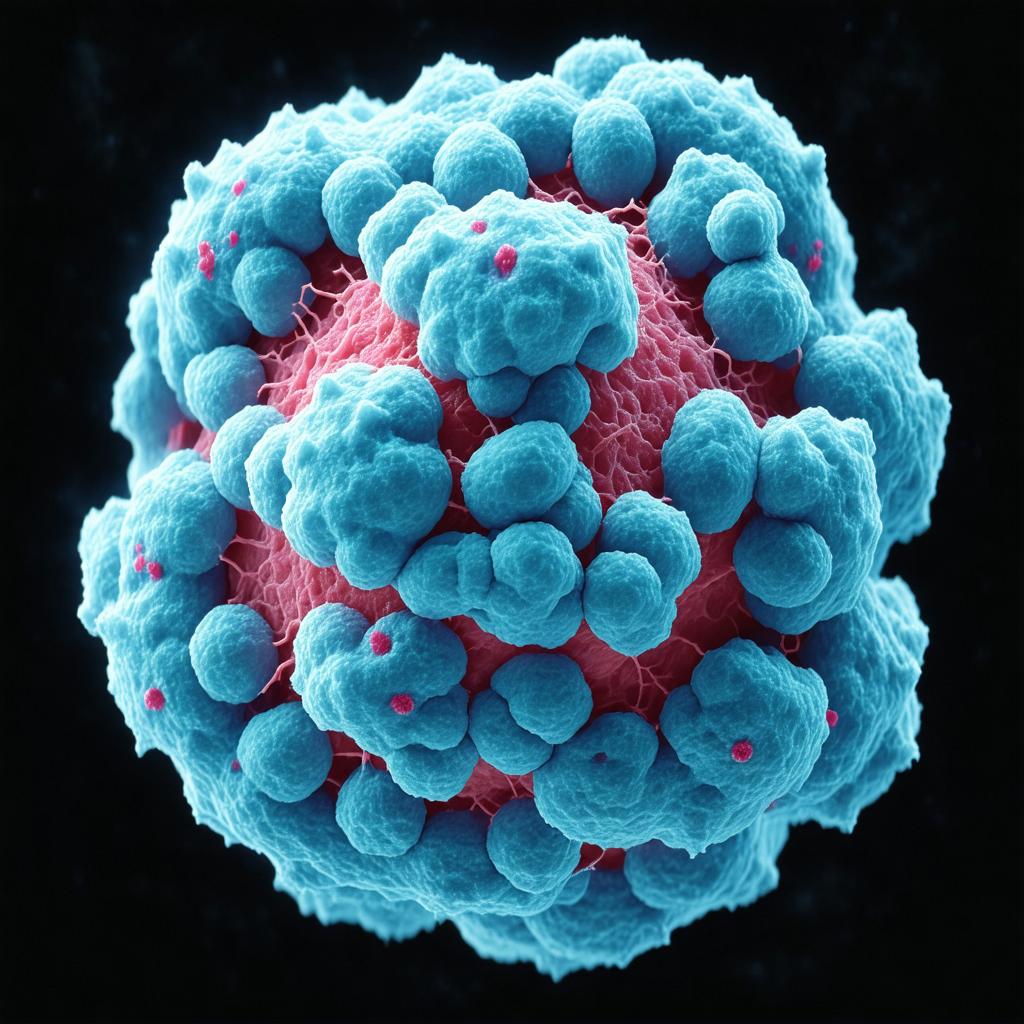
Imagine a microscopic garden where lactobacilli act as tireless gardeners. These lactic acid-producing bacteria maintain a pH between 3.8 and 4.5, creating an environment unfavorable to the proliferation of pathogens such as Candida albicans or Gardnerella vaginalis. Their protective action goes beyond acidification: they produce hydrogen peroxide and bacteriocins, true antibacterial weapons, while forming a protective biofilm on the vaginal mucosa.
Several factors can disrupt this precious balance:
- Antibiotic treatments that indiscriminately eliminate harmful and beneficial bacteria
- Hormonal variations during the menstrual cycle, pregnancy, or menopause
- Certain overly aggressive intimate hygiene practices (scented soaps, vaginal douches)
- Chronic stress which influences our microbiota via the gut-brain axis
Yeast infections and bacterial vaginosis: when the balance tips
When the population of lactobacilli decreases, two main scenarios occur. In the case of yeast infections, generally caused by Candida, there is an overgrowth of opportunistic yeasts. For bacterial vaginosis, it is a consortium of anaerobic bacteria that takes over, accompanied by a characteristic rise in pH above 4.5. These imbalances are not just a matter of comfort: studies indicate that untreated vaginosis increases the risks of premature birth and gynecological complications.
Mechanisms of action of vaginal probiotics
Unlike generic intestinal probiotics, targeted vaginal strains act like specialized troops. Their first strategy: active competition. By quickly colonizing the mucosa, they occupy adhesion sites coveted by pathogens. Their second weapon: the production of antimicrobial substances. For example, Lactobacillus rhamnosus GR-1 synthesizes inhibitory compounds that specifically target the anaerobic bacteria responsible for vaginosis.
Oral or vaginal route: comparative advantages
Oral administration relies on a fascinating phenomenon: the migration of probiotics from the intestine to the vagina. This journey, called the entero-vaginal route, takes several days but offers lasting colonization. Vaginal capsules act more quickly by directly depositing beneficial bacteria at the targeted site. A study published in Archives of Gynecology and Obstetrics shows that combining both approaches reduces bacterial vaginosis recurrences by 82%.
Comparative table of administration routes:
| Criterion | Oral route | Vaginal route |
|---|---|---|
| Time to action | 5-7 days | 24-48 hours |
| Ease of use | ⭐⭐⭐⭐⭐ | ⭐⭐⭐ |
| Duration of effect | Long term | Short term |
| Ideal for | Prevention and maintenance | Acute treatment |
Choosing the right probiotics: scientific criteria
Not all lactobacilli are equal. Only certain strains have the ability to adhere to vaginal cells and produce relevant antimicrobial substances. Research regularly identifies star strains:
- L. rhamnosus GR-1: Champion of hydrogen peroxide production
- L. reuteri RC-14: Specialist in inhibiting pathogenic biofilms
- L. crispatus: Master of lactic acid production
When choosing a product, check these key elements:
- The presence of strains documented in clinical studies
- An appropriate CFU count (colony-forming units) – generally 1 to 10 billion per dose
- A guarantee of viability until the expiration date
- Packaging that protects from moisture and light
“Formulas combining several complementary strains show an interesting synergy in restoring vaginal microbial balance” – Dr. Gregor Reid, pioneer in vaginal probiotic research
Duration and frequency of courses
Contrary to popular belief, a simple one-week treatment is not enough. Durable recolonization generally requires 2 to 3 months. For chronic situations, some protocols propose a loading phase (1 capsule/day for 1 month) followed by a maintenance phase (2 to 3 times/week). The preventive effect is particularly interesting: a 2022 study shows that quarterly courses reduce the incidence of recurrent yeast infections by 73% in predisposed women.
Clinical evidence and recent studies
The duo L. rhamnosus GR-1 and L. reuteri RC-14 has been researched since the 1990s. A meta-analysis pooling 17 studies confirms their superior efficacy compared to placebo in treating bacterial vaginosis. More impressive: their ability to reduce recurrences. After conventional antibiotic treatment, adding these probiotics decreases relapse rates from 65% to 6 months according to work published in the Journal of Clinical Microbiology.
The precise mechanisms continue to be explored:
- Modulation of local immune response
- Competitive inhibition of pathogens
- Degradation of microbial biofilms
- Production of natural surfactants disrupting bacterial membranes
Research is now exploring next-generation strains like L. crispatus CTV-05, which has shown in clinical trials the ability to reduce recurrent urinary tract infections by 30% when administered vaginally.
Frequently asked questions about vaginal probiotics
Can probiotics replace antifungal treatment?
Not in the acute phase. During an active yeast infection, they act as a complement to conventional treatments to restore balance and prevent recurrences. Their preventive use is particularly relevant in women prone to recurrent infections.
How long before feeling the effects?
Symptom improvement can occur within 48 hours with vaginal suppositories. For oral forms, expect 5 to 7 days. Complete recolonization generally requires several weeks of continuous treatment.
Are there any drug interactions?
No major interactions are documented. However, space antibiotic and probiotic intake by 2 hours. Some antifungals like fluconazole may temporarily reduce the efficacy of probiotic strains.
Can probiotics be used during pregnancy?
Several studies, including a systematic review from the Cochrane Library, confirm the safety of main vaginal strains during pregnancy. Their use might even reduce the risks of bacterial vaginosis associated with premature births.
Vaginal health is not limited to the absence of infection. It is a dynamic balance where specific probiotics play an essential regulatory role. In addition to reasonable hygiene and medical monitoring, they offer a preventive and corrective approach that deserves to be known. For those wondering about the interactions between vaginal and intestinal microbiota, our exploration of probiotics and intestinal flora provides fascinating complementary insights.
FAQ
Do vaginal probiotics work for all women?
Effectiveness varies according to the individual microbial profile. About 80% of women respond positively to documented strains. A microbiological test can identify deficient strains for optimal targeting.
Can vaginal probiotics be taken continuously?
Yes, during the maintenance phase at a reduced dose (2 to 3 times per week). Long-term studies have not shown tolerance or adverse effects with specific strains.
Can oral probiotics cause vaginal infections?
No, strains selected for vaginal health do not present this risk. Unlike some probiotic yeasts, vaginal lactobacilli have no pathogenic potential.
How should probiotics be stored to ensure their effectiveness?
Most require refrigeration (between 2°C and 8°C). Some stabilized products withstand room temperature if the packaging remains intact – always check the manufacturer’s recommendations.