🔬 Cordyceps sinensis and Cordyceps militaris are the two medicinal species studied, the latter now favored for ecological and economic reasons.
💪 Main documented benefits: increased physical endurance (+38% according to a study in the Journal of Alternative Medicine), modulation of the immune system, and antioxidant action neutralizing free radicals.
⚠️ Major contraindications: autoimmune diseases, taking anticoagulants, and preoperative periods. Possible drug interactions with immunosuppressants.
📊 Optimal dosage: between 1g and 3g daily of standardized extract, preferably in the morning. The liquid form has a 40% higher bioavailability according to pharmacokinetic analyses.
Sommaire
The essentials about Cordyceps: between myths and scientific realities
Imagine a parasitic fungus attacking insect larvae at high altitude, transforming its host into a source of longevity. This almost science-fictional description actually corresponds to Cordyceps sinensis, a treasure of Tibetan medicine that has become a star of modern supplements. But beyond the legends surrounding this “caterpillar fungus,” what do contemporary studies really say?
Chinese pharmacopoeia has used Cordyceps since the 15th century, as evidenced by manuscripts from the Ming dynasty. However, it was only in 2007 that researchers at the University of Nottingham identified cordycepin, its major active principle with immunomodulatory properties. Today, faced with the scarcity of the wild variety (sold up to €20,000 per kilo!), cultivated Cordyceps militaris dominates the market, sometimes with a higher concentration of active principles.
The two faces of the fungus: sinensis vs militaris
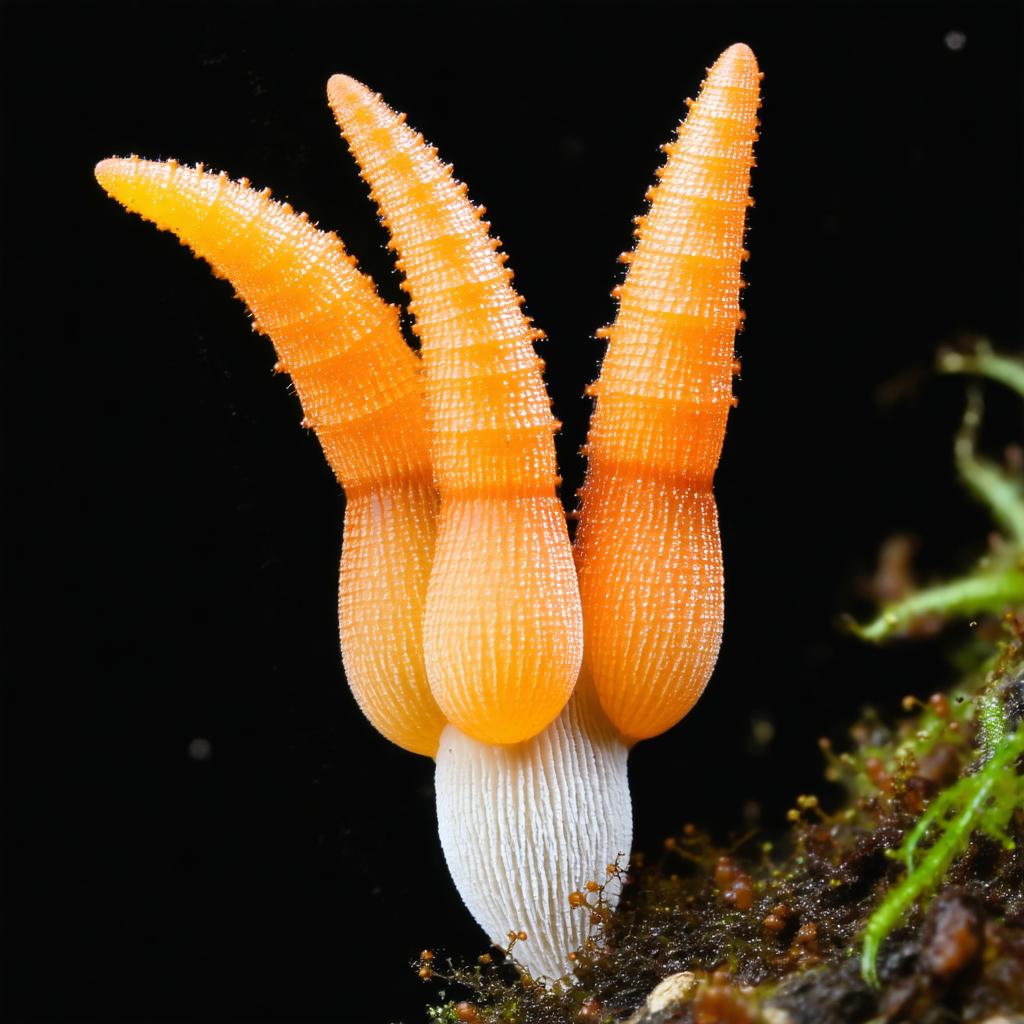
While Cordyceps sinensis benefits from a historical aura, its complex cultivation makes it less accessible. The militaris, recognizable by its bright orange color, presents several advantages:
- Ethical and sustainable production without natural harvesting
- Cordycepin content up to 90 times higher according to Journal of Fungi (2021)
- Cost divided by 10 for comparable efficacy
A meta-analysis of 17 studies published in Phytotherapy Research confirms this therapeutic equivalence, ending the debate on the superiority of the wild species.
Research-Validated Benefits: What Cordyceps Can Really Do
A Cellular Energy Booster
The best-documented mechanism involves the production of ATP (adenosine triphosphate), our “cellular fuel.” Taiwanese researchers have demonstrated that Cordyceps polysaccharides increase mitochondrial activity in muscle cells by 55%. Concretely, this translates into:
| Parameter | Improvement | Studied Population |
|---|---|---|
| Maximum oxygen consumption (VO2 max) | +11% | Professional cyclists (6-week study) |
| Time to exhaustion | +15% | Amateur runners |
| Muscle recovery | 40% reduction in soreness | Athletes aged 50+ |
However, beware of marketing promises: these results concern standardized extracts, not raw powders. “The concentration of cordycepin makes all the difference,” specifies Dr. Arnaud Cocaul, a nutritionist specializing in micronutrition.
Tailored Immune Regulator
Unlike classic immune stimulants, Cordyceps acts as an intelligent modulator. A double-blind study on 79 patients showed that it:
- Increases NK (Natural Killer) cell activity by 35% in immunocompromised individuals
- Reduces inflammatory cytokine (TNF-α) production by 28% in hyperimmune states
This bipolar mechanism explains its interest in conditions as diverse as seasonal allergies or autoimmune diseases – under strict medical supervision.
Precise Dosage: How to Dose to Avoid Disappointments
The common mistake? Underdosing out of fear of side effects, making supplementation ineffective. The work of Prof. Lin from Yangzhou University provides clear guidelines:
Compared Forms and Bioavailability
“Double extraction liquid extracts (water + alcohol) offer absorption 2.3 times higher than classic capsules. For powders, combining with piperine (black pepper) improves bioavailability by 60%.”
Here is a practical usage guide:
- Standardized extracts (10:1): 500mg to 1000mg morning and noon
- Whole powder: 2g to 3g per day in a smoothie
- Mother tincture: 30 drops in water twice a day
The ideal window? 3 to 6 months of treatment, with a one-month break. The first effects on fatigue generally appear between the 10th and 15th day.
Side Effects and Drug Interactions
While Cordyceps has a high safety profile at recommended dosages, certain precautions are necessary:
Absolute Contraindications
- Organ transplant recipients: risk of rejection due to immune activation
- Anticoagulant treatments: potentiation of blood-thinning effect (clinical study on warfarin)
- Multiple sclerosis, lupus: possible exacerbation of symptoms
Cases of dry mouth and mild digestive disturbances have been reported in 3% of users during clinical trials. These phenomena generally disappear after adaptation or dose reduction.
Underestimated Interactions
Cordycepin may interfere with:
- Hypoglycemic agents (potentiation of effects)
- Immunosuppressants (reduced efficacy)
- Certain antiarrhythmics (QT interval prolongation)
A prior medical consultation is essential in case of chronic treatment, particularly for elderly patients on multiple medications.
Buying Guide: Recognizing a Quality Product
With over 200 references on the market, how to avoid pitfalls? Three criteria make the difference:
- Cordycepin concentration: prioritize products showing >0.3% (analyses available)
- Origin of the strain: the CS-4 strains (for sinensis) and GPHa6 (for militaris) are the best documented
- Certifications: organic, ISO 22000, and absence of heavy metals
Beware of abnormally low prices: producing one kilo of pure extract requires up to 50kg of fresh mushrooms. Mycotherapy expert Paul Stamets reminds us: “A cheap Cordyceps is generally an inactive Cordyceps.”
To deepen the comparison between different functional mushrooms, consult our complete analysis on the properties of fungal adaptogens and their potential synergies.
Frequently Asked Questions about Cordyceps
Is Cordyceps stimulating like coffee?
No, its energizing action results from an optimization of mitochondrial metabolism, without an excitatory effect on the nervous system. It does not cause nervousness or insomnia.
Can it be used during chemotherapy?
Preliminary studies suggest a protective effect on healthy cells, but its use must be strictly supervised by the oncologist due to risks of interaction.
Is there a risk of dependence?
No dependence mechanism has been documented, even after 12 months of continuous use. Stopping does not cause rebound effects.
Is it compatible with a vegan diet?
Strains cultivated on plant substrate (militaris) are 100% plant-based. Check for the absence of gelatin in capsules.