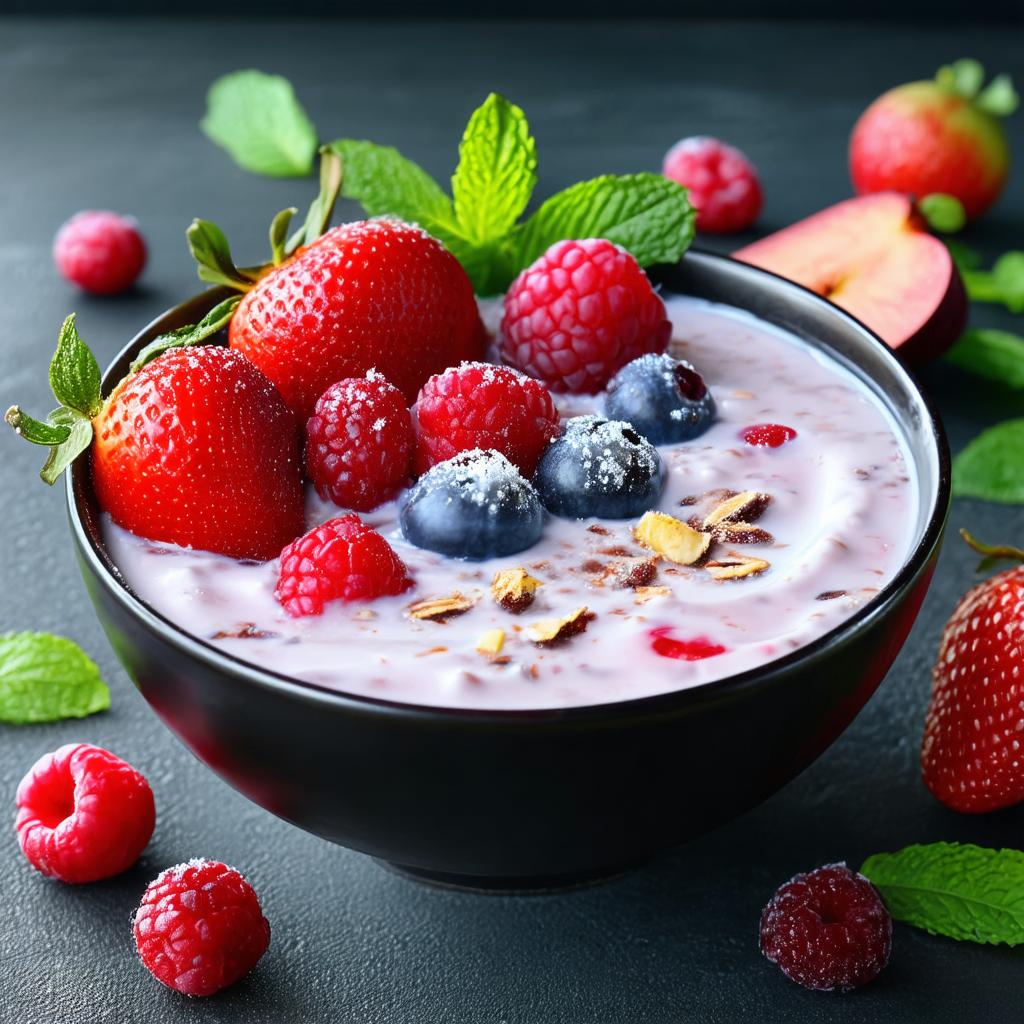
Breakfast plays a major role in diabetes management. By stimulating metabolism upon waking, it helps limit blood sugar spikes and establishes a lasting feeling of fullness. For a diabetic person, choosing the wrong foods can result in sudden blood sugar fluctuations and premature fatigue. This article details the principles to follow, the list of ingredients to prioritize, mistakes to avoid, and five balanced menu proposals adapted to different lifestyles.
🥐 Low glycemic index: prioritize whole grains, plain yogurt, and red fruits to avoid sugar spikes.
🍳 Satiating proteins: eggs, cottage cheese, or nuts promote satiety and stabilize blood sugar.
📊 Controlled portions: a bowl of oatmeal flakes (40 g), a plain yogurt (125 g), and a fruit with controlled GI form a reliable base.
Sommaire
The goals of a good diabetic breakfast
Before any recipe, it is necessary to define what you want to achieve. First, limit blood sugar fluctuations: a meal too rich in fast carbohydrates (sugar, pastries) causes a sudden rise in blood sugar, followed by reactive hypoglycemia which exhausts the body (source: American Diabetes Association, 2022). Then, promote satiety to avoid morning snacking. Finally, establish a stable metabolic base to spread carbohydrate intake throughout the day.
An ideal breakfast should combine moderate glycemic index carbohydrates, proteins, and fibers. Proteins delay sugar digestion, fibers have a “buffer” effect on glucose absorption, while lipids from nuts or avocado contribute to the feeling of fullness.
Recommended foods for breakfast
Whole grains with low GI
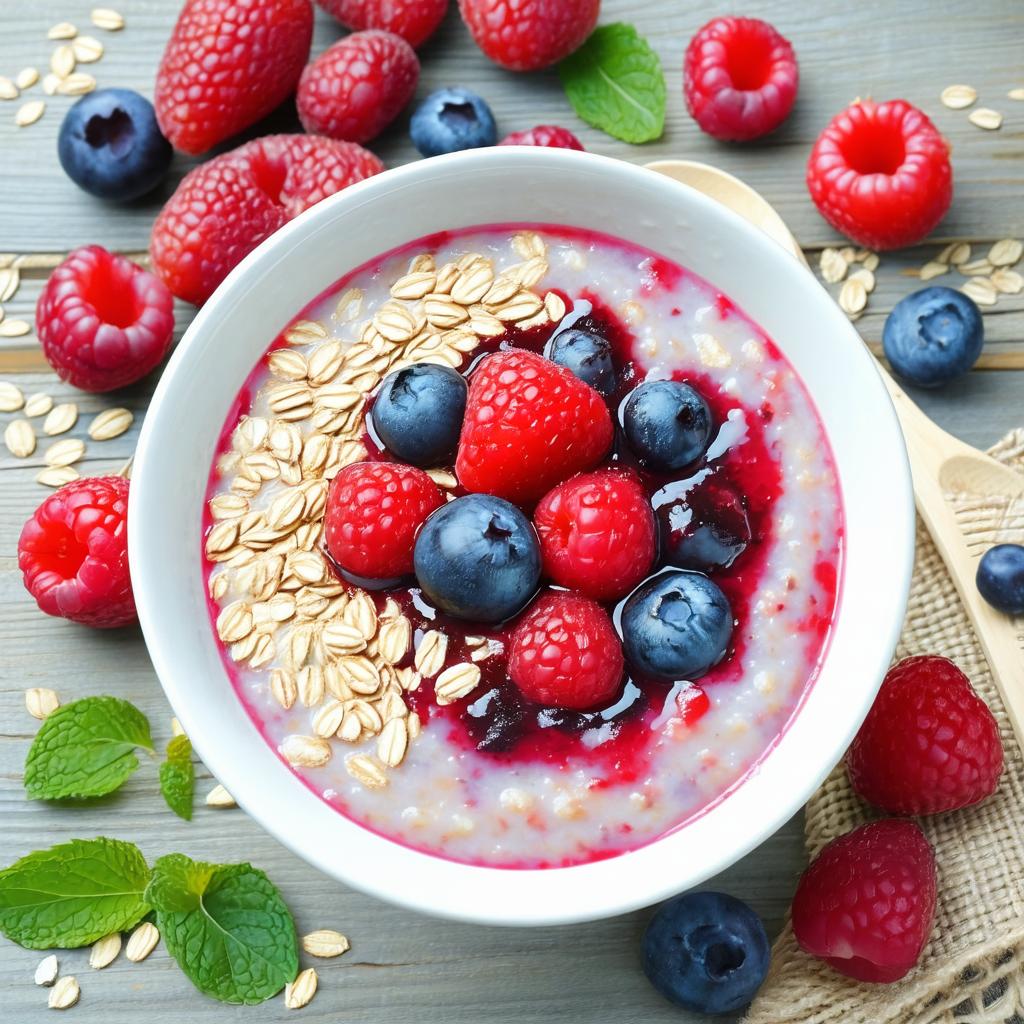
Oat flakes, muesli without added sugar, or whole wheat bread should be prioritized. These foods have a glycemic index between 40 and 55, releasing glucose progressively. Generally, 30–40 g of oat flakes are recommended, which provides about 150 kcal, 5 g of fiber, and 6 g of protein.
Plant proteins and nuts
Almonds, walnuts, chia or flax seeds can partially replace cashews or peanut butter. A handful (20 g) provides 5 g of protein, 10 g of high-quality lipids, and a valuable intake of omega-3 and fiber.
Eggs, cottage cheese, and plain yogurt
Eggs are a source of complete proteins (6 g per egg) without carbohydrates. A plain yogurt or 0% fat cottage cheese harmoniously complements the plate with 8–10 g of protein per 100 g, few carbohydrates, and a calcium supply.
Low GI fruits
Strawberries, raspberries, blueberries, and apples (GI<50) offer a concentration of antioxidants and vitamins while limiting glycemic fluctuations. It is recommended to consume 100–150 g of fresh fruit, ideally combined with a dairy product or whole grains to reduce their carbohydrate impact.
Vegetarian option
For those who do not consume animal products, the combination silken tofu + oat flakes + berries works very well. Tofu provides 8 g of protein per 100 g, berries offer antioxidants, and oat flakes ensure a controlled glycemic index.
Foods to avoid or limit
Some options seem harmless but should be moderated. White bread, traditional baguette, or pastries have a high GI (>70) and can cause a double glycemic spike. Fruit juices, even 100%, concentrate natural sugar without fiber and digest too quickly.
Jams and “light” products are sometimes a false good idea: their glycemic index often remains high and they contain sweeteners or additives that may irritate the intestine. Prefer instead a fruit puree without added sugar or a certified “sugar-free” jam with a monitored index.
- White bread and pastries
- Filtered fruit juices
- Jams and industrial pastries
- Lightened sugary drinks (sweeteners with possible side effects)
5 ideas for balanced breakfasts
1. Quick and to-go version
- A plain yogurt (125 g)
- A handful of mixed nuts (30 g)
- An apple or a handful of berries (100 g)
Take everything in an airtight container. You get 350 kcal, 15 g of protein, 8 g of fiber, and a controlled glycemic index.
2. Protein-rich version
- Two scrambled eggs with spinach
- A slice of whole wheat bread (30 g)
- A cherry tomato
This meal provides 20 g of protein, 4 g of fiber, and a moderate carbohydrate intake (15 g). Ideal to start the day with a strong feeling of satiety.
3. Mediterranean version
Light tapenade on a slice of whole grain bread, some fresh goat cheese, and a few black olives. Accompanied by a plain Greek yogurt (100 g) for 8 g of protein and 5 g of monounsaturated fats.
4. Gourmet vegetarian version
- Bowl of porridge (oat flakes + almond milk)
- A spoonful of chia seeds
- A sliced kiwi
The fibers from oats and kiwi contribute to glycemic stability, while the plant proteins remain moderate for an overall GI of 48.
5. Traditional version revisited
Two slices of rye bread, some peanut butter without added sugar, and a green banana. The slightly firm banana has a GI around 47, making it acceptable in small portions.

FAQ
- Is it absolutely necessary to eat in the morning?
- Breakfast is not mandatory, but it helps distribute carbohydrate intake throughout the day. Skipping this meal often promotes uncontrolled snacking mid-morning.
- What to drink at breakfast when you have diabetes?
- Water, green tea, or unsweetened herbal tea remain the best options. Black coffee without sugar or an espresso can also be suitable. Avoid industrial beverages and filtered juices.
- Should fruits be avoided?
- No, but choose those with a low glycemic index (apples, berries, citrus fruits). Limit the portion to 100–150 g and always combine them with a source of protein or fiber.
In conclusion
Composing a breakfast adapted to diabetes is primarily about balancing carbohydrates with a moderate index, proteins, and fibers. By varying sources (whole grains, eggs, dairy products, or plant-based alternatives), you stabilize blood sugar while maintaining taste pleasure. Do not hesitate to try different combinations, measure your blood sugar after each trial, and adjust portions according to how you feel. Regular follow-up with a healthcare professional ensures optimal personalization of your morning routine.