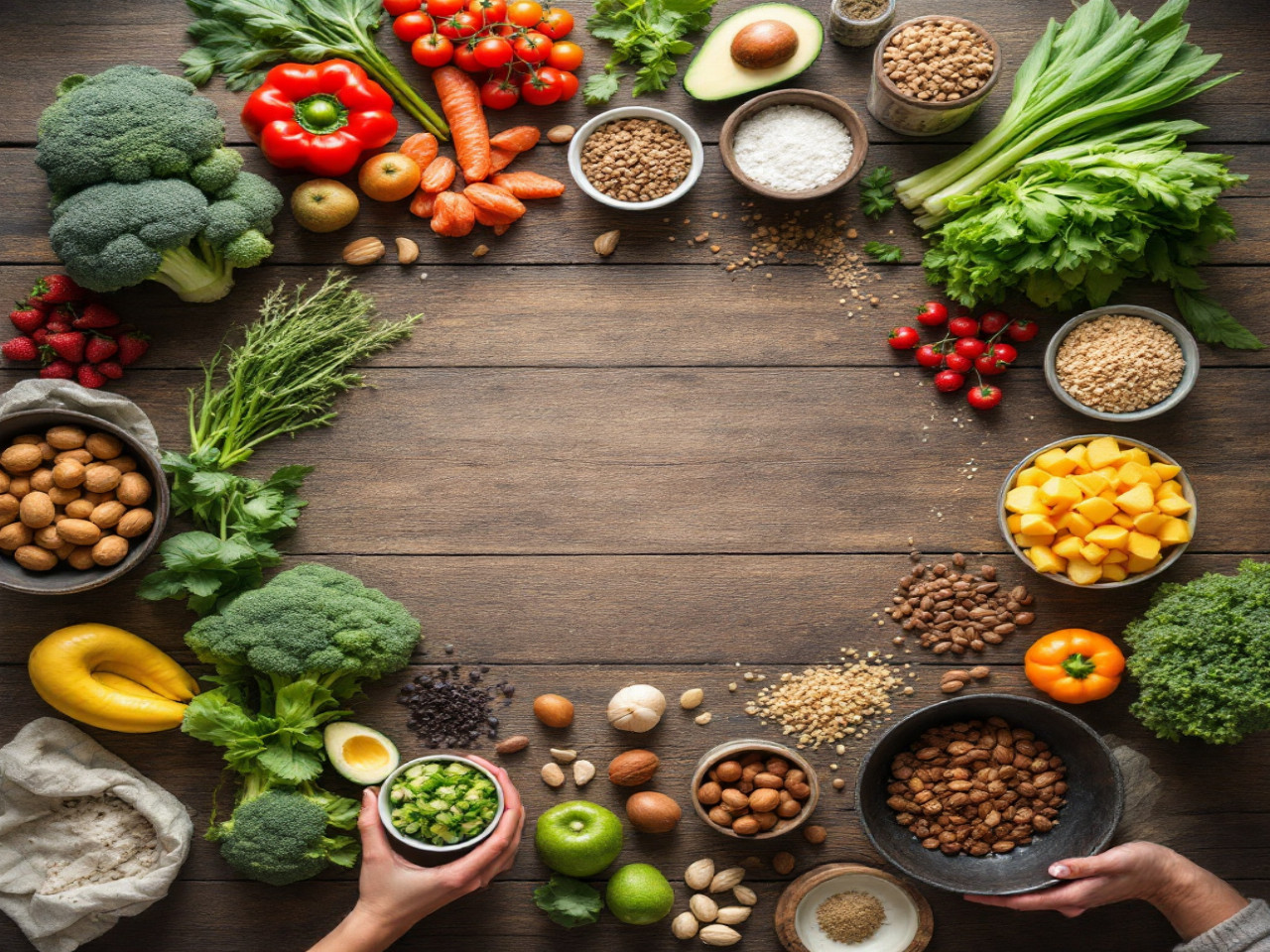
One might think that fighting a high HbA1c level always involves medication, but in reality, diet plays a crucial role. I have collected testimonials from women and men who, without using any pharmaceutical treatment, have stabilized their blood sugar levels long-term. Their approaches sometimes differ, but a common thread emerges: appropriate nutritional choices, regular monitoring, and a dose of motivation. Between personal stories, basic principles, and concrete tips, this article unveils their methods to help you chart your own path toward optimized HbA1c.
Sommaire
Why Target HbA1c?
Understanding HbA1c in Daily Life
HbA1c reflects the average of your blood sugar over the past three months, not just a single snapshot. Imagine each glucose molecule attaching, like a stamp, to a hemoglobin molecule in your red blood cells. The more stamps you accumulate, the higher your level climbs. This is not an abstract parameter: this indicator helps anticipate the risk of complications (retinopathy, neuropathy, cardiovascular damage) and adjust your lifestyle. The testimonials you will read show how you can act upstream, before considering medication.
Risks and Stakes of a High Level
An HbA1c above 7% in a non-diabetic individual signals chronic hyperglycemia. It is not a fatality, but a warning sign that often precedes cardiac or nerve difficulties. For example, a longitudinal study showed that a 1% increase in HbA1c multiplies the risk of heart attack by 1.2. In other words, reducing even half a point can transform your health profile. You will discover that by reworking their diet, many readers have managed to gain this half-point, and sometimes much more.
Effective Nutritional Strategies
Playing on the Glycemic Index
The first step is to swap fast-absorbing carbohydrates (white bread, steamed rice, cookies) for slower alternatives: quinoa, root vegetables, and legumes. It’s not just about calories, but the rate of glucose release. For comparison, a slice of whole wheat bread has a glycemic index (GI) around 55, while a slice of white bread approaches 75. Reducing the overall GI of your meals can lower your HbA1c by several tenths within a few months.
Filling Up on Fiber
Increasing fiber intake slows digestion and stabilizes blood sugar. Soluble fibers, found in oats or apples, form a gel when in contact with water, slowing sugar absorption. Insoluble fibers, found in whole grains and vegetables, improve transit and promote satiety. By introducing at least 25 grams of fiber per day — such as a bowl of warm oat flakes, a fruit, a portion of green vegetables — several people noticed a gradual but steady decrease in their HbA1c.
Balancing Macronutrients
The carbohydrate-protein-fat trio must be reconsidered. Rather than massively cutting carbohydrates, better results were found by pairing each portion of starches with a protein source (fish, eggs, legumes) and quality fats (olive oil, avocado, nuts). This distribution reduces the post-meal glycemic spike and prolongs the feeling of fullness. Some people even adjusted the chronobiology of their meals, consuming more carbohydrates in the morning and limiting them in the evening, for an impact on HbA1c noticeable from the second month.
Success Stories
Sarah, 45 years old: from uncontrolled snacking to compassionate discipline
“Before, I was nibbling all day: a square of chocolate here, a piece of brioche there… Result: my HbA1c was at 8.2%. I started by keeping a food journal, without judging myself, simply to become aware of my habits. Then, I replaced cookies with raw vegetables and a bit of hummus. Three months later, I am at 6.5%. I succeeded not by depriving myself, but by rebalancing each snack.”
The food journal shattered her preconceived notions: she was consuming twice as many carbohydrates as she thought. Another key ingredient, mindful eating — paying attention to aromas, texture, and satiety to no longer eat “on autopilot.”
Marc, 52 years old: the combination of sport and nutrition
Marc had never touched a pot of Greek yogurt, convinced that protein intake comes from supplements. His discovery? The little-known benefit of Greek yogurt, rich in protein and low in lactose, which moderates post-meal blood sugar. Combined with three sessions of brisk walking per week, he went from 7.8% to 6.2% in four months. “The proof is consistency: a daily balance is better than a big one-time effort.”
The table of key foods
| Food | GI | Fiber (g per 100 g) | Why adopt it? |
|---|---|---|---|
| Quinoa | 53 | 7 | Complete proteins and moderate GI |
| Apple | 38 | 2.4 | Soluble fibers to slow absorption |
| Chickpeas | 28 | 7.6 | Long-lasting satiety and low GI |
| Walnuts | 15 | 6.7 | Healthy fats and blood sugar buffering effect |
Practical tips to get started
- Plan your meals and prepare portions in advance.
- Keep a weekly track of your HbA1c and note every dietary adjustment.
- Alternate sources of plant and animal proteins to vary nutrients.
- Include at least five servings of colorful vegetables daily to maximize antioxidants.
- Do not completely eliminate carbohydrates: choose smarter ones, not fewer.
By combining these actions, you will achieve a cumulative effect more powerful than an isolated change. The idea is not to reinvent your life, but to gradually slip these good practices into your daily routine.
FAQ
- Can HbA1c really be reduced without medication?
Yes, many testimonials prove it: a strict adaptation of diet, combined with regular physical activity, is often enough to lower this level. - How long before seeing improvement?
Results usually appear after six to eight weeks. At three months, HbA1c already reflects the benefits of new habits. - Is it necessary to follow a strict diet?
No, the idea is not deprivation, but rebalancing. It is about making better choices, not completely banning certain foods. - How to assess the glycemic index of a mixed meal?
You can estimate the overall GI by weighting the GI of each component according to its caloric share. Mobile apps facilitate this calculation daily. - Should I consult a professional before applying these tips?
It is always wise to discuss any major change with a doctor or dietitian, especially in case of associated pathologies.