
| Key Points | Details to Remember |
|---|---|
| 🥗 Definition | Understand the impact of carbohydrates on blood sugar |
| ⚖️ Key Principles | Master glycemic index and glycemic load |
| 🛒 Recommended Foods | Selection of vegetables, lean proteins, low GI |
| 🚫 Foods to Avoid | Moderate fast sugars and ultra-processed foods |
| 📅 Sample Menu | Plan seven days of balanced meals |
| 💡 Practical Tips | Optimize choices by reading labels |
Managing diabetes is not limited to monitoring blood sugar: the plate plays a decisive role. Adapting your diet means first understanding how each nutrient influences the blood sugar curve, without sacrificing pleasure or variety. Here, we break down the principles governing an adapted diet, list the foods to stock in your cart and those better relegated to the tolerance aisle, and offer a balanced menu for a week. Objective: to give you keys so that each meal becomes a concrete support in preventing complications and maintaining stable sugar levels.
Sommaire
The Main Principles of Diabetic Nutrition
Blood Sugar Control
To avoid blood sugar spikes, carbohydrate amounts are adjusted at each meal. Unlike a generic approach, intake is spread throughout the day: three structured meals, possibly a snack. The idea is to prevent sudden fluctuations that tire the body and increase insulin resistance.
Glycemic Index and Glycemic Load
We often hear about glycemic index (GI) – a number measuring the speed of blood sugar rise – and glycemic load (GL), which includes the portion consumed. For example, watermelon has a high GI, but its GL remains moderate if the portion is limited. Conversely, a product with a medium GI can become problematic if consumed in large quantities. Knowing these two concepts allows precise dosing of each carbohydrate.
Balance of Carbohydrates / Fiber / Protein / Fat
Adding fiber (vegetables, whole grains) slows sugar absorption, while proteins and unsaturated fats provide satiety. An ideal meal compensates 45–55% of calories as complex carbohydrates, 15–20% as lean proteins, and 25–30% as quality lipids. Adjusting these ratios individually, in consultation with a dietitian or your doctor, ensures lasting stability.
Recommended Foods
🥦 Green Vegetables, Whole Grains, and Legumes
- Spinach, broccoli, green beans, rich in fiber and antioxidants.
- Quinoa, whole oats, whole basmati rice for moderate GI.
- Lentils, chickpeas, and dried beans, sources of plant proteins and minerals.
🐟 Lean Proteins and Fatty Fish
- Poultry fillets, eggs, and lean meats, to preserve muscle mass.
- Salmon, mackerel, sardines, with their anti-inflammatory omega-3s.
🥜 Nuts and Low GI Fruits
- Almonds, walnuts, hazelnuts, to consume in small handfuls for their nutritional density.
- Berries (raspberries, blackberries), apples or pears with skin, for a low index and fiber intake.
Unsweetened Dairy Products
Plain yogurt, 0% cottage cheese, and small fresh cheeses provide calcium and protein without carbohydrate overload. Flavored versions are avoided to reduce unnecessary added sugars.
Foods to Avoid or Moderate
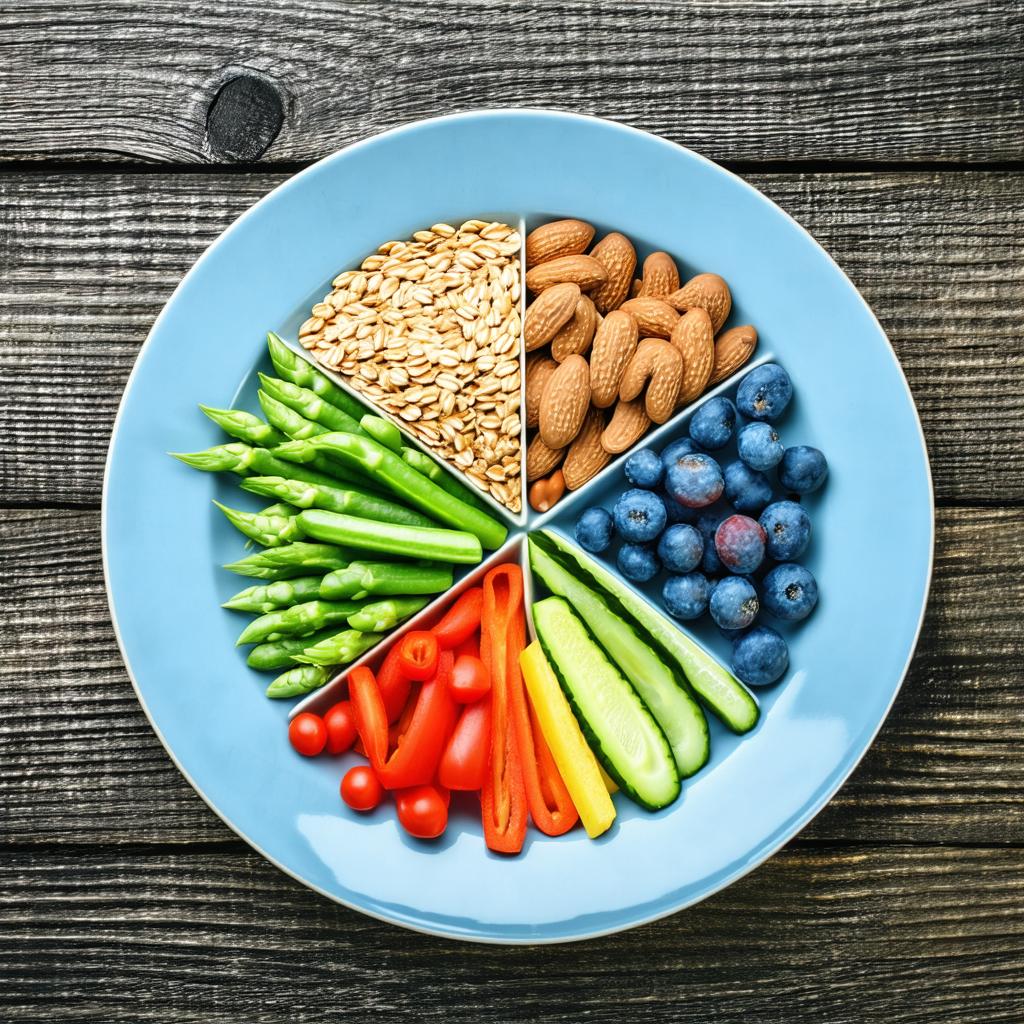
Some culprits consistently appear in studies on type 2 diabetes: fast sugars, ultra-processed products, and refined starches. Placing them on the edge of the plate helps prevent slips that weaken blood sugar regulation.
- Fast sugars – candies, syrups, sweets: they cause a sudden blood sugar spike.
- Ultra-processed products – industrial prepared meals, fatty cold cuts: often high in salt, fats, and excess carbohydrates.
- Sodas and sugary juices – even “homemade” or “organic,” their impact remains high.
- Pastries and viennoiseries – combining white flour and sugars, they are reserved for special occasions.
- French fries or chips – high GI and high calorie density.
- White bread and non-whole pasta – prefer whole or semi-whole versions.
Sample Menu for One Week
Planning meals prevents rushed departures toward an overly rich sandwich or takeout pizza. The table below offers an example divided into breakfast, lunch, and dinner for seven days, with the same principle of adjustable snacks.
| Day | Breakfast | Lunch | Dinner |
|---|---|---|---|
| Monday | Oat flakes, plain yogurt, some berries | Lentil salad, spinach, feta, olive oil | Salmon steak, whole quinoa, steamed asparagus |
| Tuesday | Vegetable omelette, slice of whole grain bread | Grilled chicken fillet, homemade ratatouille | Zucchini soup, slice of semi-whole bread |
| Wednesday | 0% cottage cheese and red fruits | Whole bulgur tabbouleh, chickpeas | Baked cod, garlic sautéed spinach |
| Thursday | Chia pudding with almond milk | Quinoa salad, avocado, cherry tomatoes | Tofu stir-fry with crunchy vegetables |
| Friday | Oat flakes pancake with mashed banana | Turkey wrap and raw vegetables, assorted crudités | Grilled tuna steak, steamed green beans |
| Saturday | Plain yogurt, homemade unsweetened granola | Chili sin carne (red beans, vegetables) | Miso soup, salmon sushi (moderate portion) |
| Sunday | Scrambled eggs, sautéed mushrooms | Roast beef, green salad and quinoa | Vegetable tian, slice of whole grain bread |
- Morning snack: handful of almonds or walnuts.
- Afternoon snack: vegetable sticks with hummus.
- Hydration: water, herbal teas, black coffee in moderation.
Practical Tips and Mistakes to Avoid
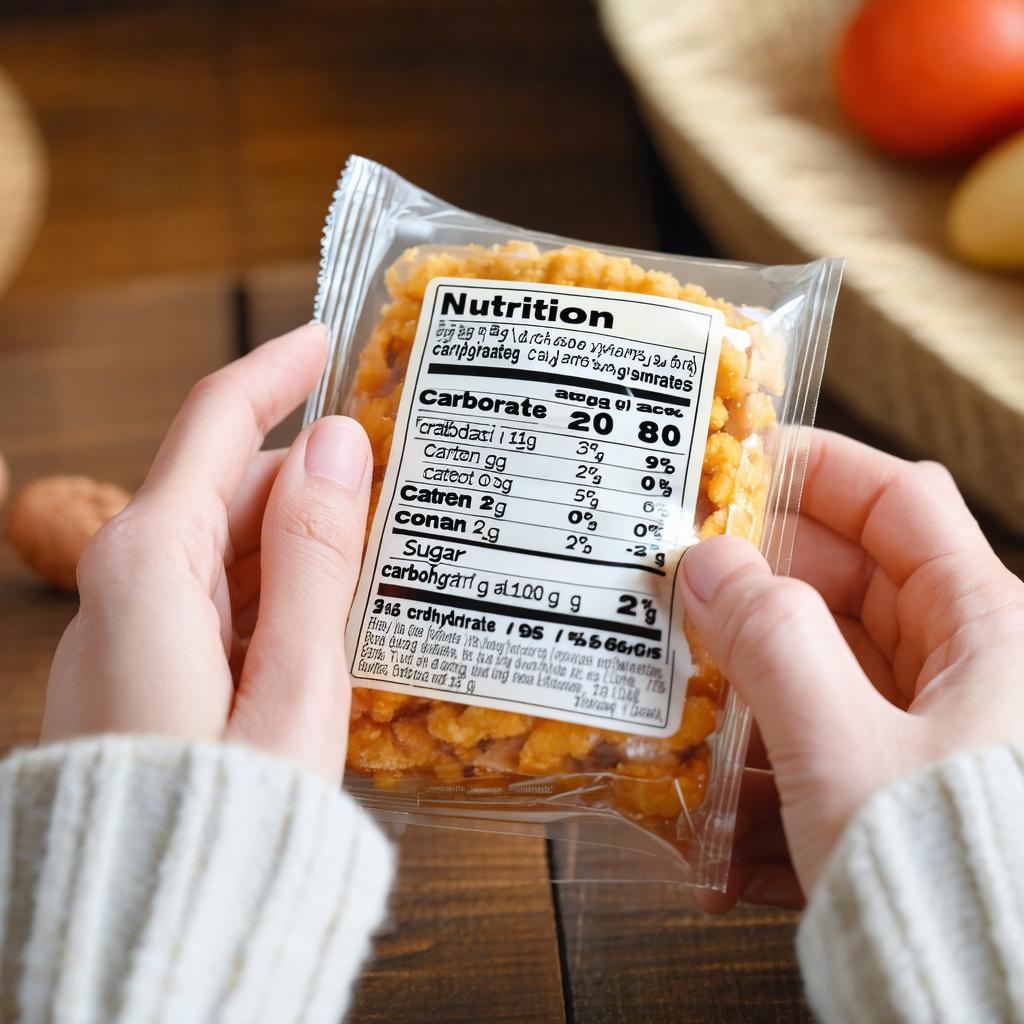
- Reading labels: spot the amount of carbohydrates per 100 g, saturated fats, and presence of added sugars.
- Do not skip meals: a too-light breakfast risks uncontrolled snacking later.
- Snacking: avoid the biscuit/chips reflex, better to choose a low GI fruit or some nuts.
- Beware of “sugar-free” claims that may compensate with sweeteners and fats.
- Plan your shopping to avoid giving in to the convenience of poorly balanced drive-through options.
Nutrition and Type 2 Diabetes
For type 2 diabetes, nutrition is not just a lever for stabilization: it can promote a notable improvement in insulin sensitivity. Studies show that a moderate weight loss – 5 to 10% of initial mass – often suffices to reduce medication needs. The focus here is on nutrient density rather than short-term pleasure: colorful vegetables, lean proteins, whole grains, and progressive elimination of refined carbohydrates.
FAQ
Can we eat bread?
Yes, provided you choose whole or semi-whole versions and watch the portion (30–40 g). An artisanal or traditional French bread will provide more fiber than industrial bread.
What about chocolate?
Favor dark chocolate with at least 70% cocoa. Consume a portion of 10–15 g after the meal to limit the speed of sugar absorption.
Are fruits allowed?
Rather yes, but prioritize small fruits (strawberries, blueberries) and apples or pears with skin, around 100–150 g per fruit, spacing their consumption well with other carbohydrates.
Is alcohol possible?
Alcohol can cause hypoglycemia if consumed on an empty stomach. In practice, stay under 10 g of pure alcohol per day (half a glass of wine), always during a meal rich in complex carbohydrates.
How much carbohydrate per meal?
About 45–60 g per main meal, adjusted according to your blood sugar measurements. Snacks can contain 15–20 g, depending on your day’s rhythm.
Conclusion
Ultimately, a diet for a diabetic relies on a controlled choice of carbohydrates, combined with fiber, lean proteins, and good fats. The essential points are meal regularity, careful label reading, and planning adapted to your rhythm. Do not hesitate to adjust each ratio with a specialist to reconcile pleasure, variety, and blood sugar stability.