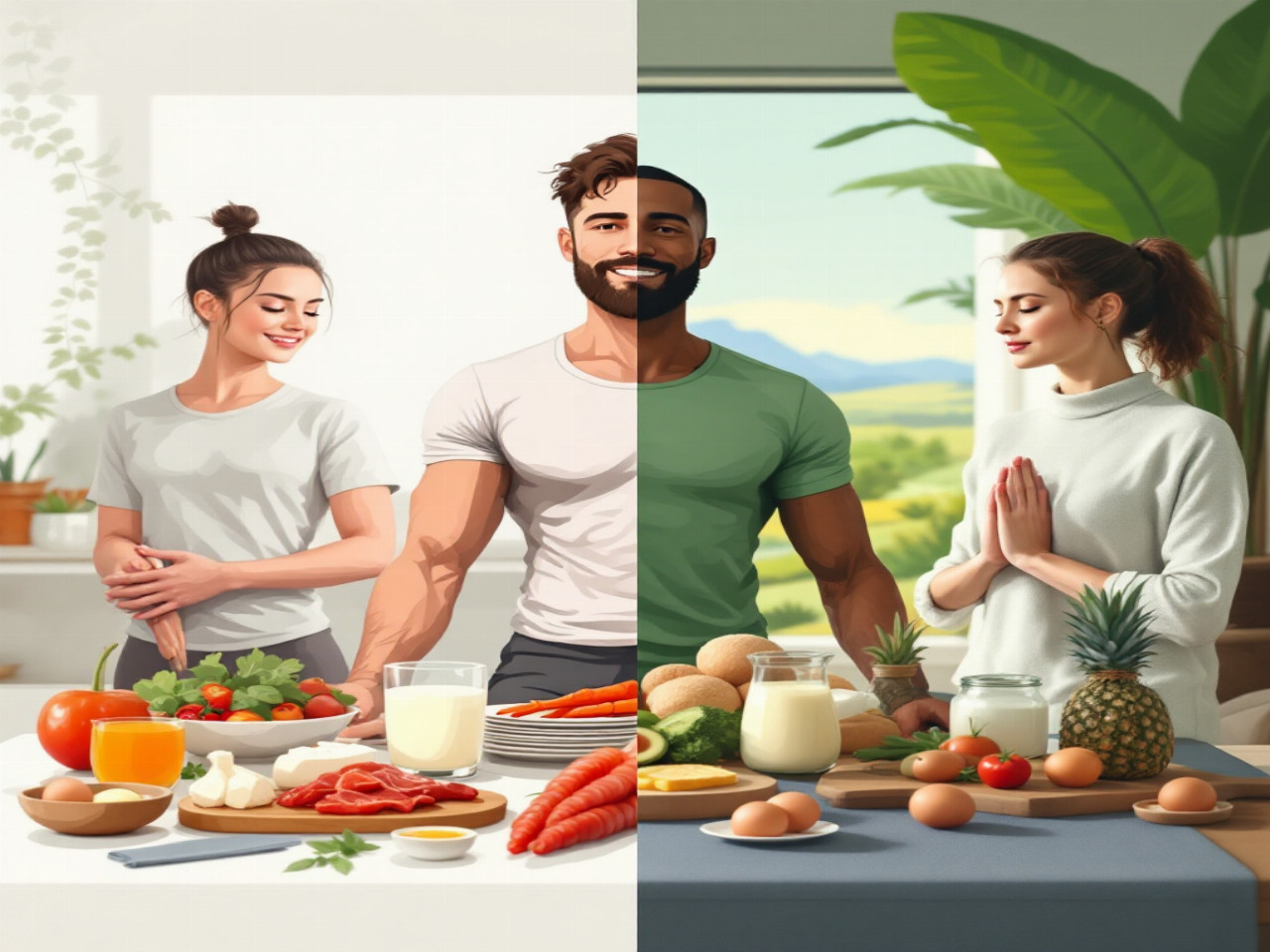
The choice between a vegan diet and an omnivore diet is generating growing interest, both among athletes and people concerned about their well-being. Beyond ethical debates, these two dietary approaches have distinct nutritional and metabolic characteristics. One might think that one is systematically superior to the other; in truth, it all depends on the quality of the foods, micronutritional balance, and individual goals. This article offers a nuanced look at the advantages, limitations, and keys to optimizing health and performance, regardless of the chosen side.
Sommaire
Nutritional Principles: Decoding the Intake
Macro and Micronutrients Under the Microscope
At first glance, an omnivore diet offers direct access to animal proteins rich in essential amino acids and certain micronutrients like vitamin B12 or heme iron. The vegan diet, for its part, relies on plant proteins (legumes, cereals, nuts) and a variety of fruits and vegetables to meet its needs. However, bioavailability is not the same: iron from meat binds more easily to hemoglobin, whereas plant iron often requires vitamin C intake for proper absorption. As for fatty acids, the omnivore naturally draws from fatty fish for its EPA/DHA omega-3s, while the vegan must rely on flax seeds, walnuts, and microalgae.
Quality of Food Sources
The nutritional profile is not limited to proteins and lipids: the density of antioxidants, fibers, polyphenols, or fat-soluble vitamins varies considerably depending on the origin of the foods and their degree of processing. An ultra-processed steak high in saturated fat and salt does not have the same value as a deboned organic chicken breast. Likewise, an industrial vegan protein bar may contain harmful additives. For those wishing to maximize their intake, there is another way: favor raw foods, whole grains, soaked legumes, and virgin oils.
Effects on Health
Cardiovascular Health and Lipid Metabolism
Several epidemiological studies show that vegan individuals often display a more favorable lipid profile, with lower LDL cholesterol and controlled blood pressure. In reality, these results also depend on the associated lifestyle: physical activity, soluble fiber intake, and reduction of saturated fats play a major role. Enlightened omnivores incorporate fatty fish, seeds, and nuts to regulate their cholesterol and moderate inflammation. Regarding blood sugar, fiber-rich plants slow glycemic spikes, whereas excessive processed meat can promote insulin resistance.
Body Weight and Hunger Control
It is often mentioned that losing weight is easier with a vegan diet. Food volumes are high thanks to vegetables and legumes, which increase satiety without adding unnecessary calories. However, a too abrupt calorie reduction can cause a yo-yo effect, and protein supplementation must be well thought out to avoid muscle loss. On the omnivore side, distributing animal proteins throughout the day promotes thermogenesis and basal metabolism; it follows that ideal body weight is more governed by the quality of intake than by the diet label.
Inflammation and Oxidative Stress
Antioxidants naturally concentrated in the fruits, vegetables, and aromatic herbs of a vegan diet contribute to reducing oxidative stress. However, by restricting animal fats, some vegans forget the long-chain omega-3s (EPA/DHA) essential for regulating inflammatory markers. Omnivores can draw directly from mackerel, salmon, or sardines, but they risk exposure to marine pollutants if they do not prioritize certified sources. Thus, a balance must be found, with some targeted supplements when necessary.
Physical Performance and Recovery
Endurance and Use of Energy Substrates
Endurance athletes choosing veganism claim that better-stocked glycogen reserves (thanks to complex carbohydrates) prolong effort. In truth, the issue also lies in mitochondrial adaptation and hemoglobin levels, influenced by the availability of iron and vitamin B12. Omnivorous runners can grab a handful of meat or eggs after training to quickly replenish stores. For those wishing to avoid meat while maximizing endurance, iron-enriched seitan and spirulina can play an interesting role.
Muscle Strength and Protein Synthesis
The synthesis of muscle repair proteins relies on the availability of branched-chain amino acids (BCAAs). Animal proteins naturally contain ideal proportions of leucine, isoleucine, and valine. Plants, on the other hand, often need to be combined (rice+legume, pea+hemp) to compete. Some vegan athletes take a pea, rice, or soy protein shake just after the session, while omnivores sometimes settle for a portion of whey. Ultimately, effectiveness depends more on the absorbed dose, timing, and quality of training.
Recovery and Sleep
Restless nights or the appearance of muscle cramps can often be attributed to an imbalance in minerals (magnesium, calcium) and B vitamins. Vegans are advised to multiply sources of magnesium (pumpkin seeds, Brazil nuts) and consider a vitamin B12 complex if their dietary intake remains insufficient. On the other side, omnivores must monitor their consumption of “heavy” proteins in the evening, which can delay digestion and impair sleep quality.
Advantages and Limits: Comparative Summary
Strengths and Constraints of the Vegan Diet
- High food volume promoting satiety
- Higher antioxidant and fiber levels
- Environmental respect and animal ethics
- Need for strict planning (B12, iron, omega-3)
- Risk of deficiencies if poorly balanced
Strengths and Constraints of the Omnivore Diet
- Direct access to “key” nutrients: B12, heme iron, omega-3
- Variety of protein sources for performance
- Lower risk of intense hunger (higher caloric density)
- Possibility of excess saturated fats and pollutants
- More pronounced ethical and environmental issues
| Criterion | Vegan Diet | Omnivore Diet |
|---|---|---|
| Cardiovascular Health | LDL reduction, better lipid profile | Good if fat sources chosen (fish, poultry) |
| Muscle Performance | Possible with plant combinations + supplements | Naturally high with animal proteins |
| Environmental Impact | Very low carbon footprint | High, depending on farming and transport |
| Diet Complexity | High (need for supplements, planning) | Moderate (diversity, fewer supplements) |
Tips for Adapting Your Diet
Key Supplements and Strategies
For a vegan diet, the arsenal typically includes: vitamin B12 (cobalamin), omega-3 in the form of flaxseed or algae oil, chelated iron and zinc, marine magnesium. On the omnivore side, it may suffice to limit processed meats, introduce a portion of fatty fish two to three times a week, and increase leafy vegetables. Whatever the approach, it is beneficial to vary colors, favor raw foods (for antioxidants), and space out large meals to allow time for digestion.
Meal Planning and Practical Ideas
An example of a vegan plan for a sporty day could include:
- Breakfast: oatmeal porridge + chia seeds + red fruits
- Snack: homemade hummus + fresh vegetable sticks
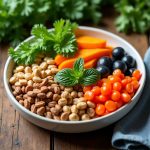
- Lunch: buddha bowl (quinoa, marinated tofu, kale, sweet potato)
- Afternoon snack: protein smoothie (pea protein, banana, plant-based milk)
- Dinner: coral lentil curry + spinach, whole basmati rice
For an active omnivore, one could opt for:
- Herb omelette + arugula salad
- Whole sandwich: grilled chicken, avocado, spinach shoots
- Steamed fish + roasted vegetables + sweet potato
- Greek yogurt + dried fruits as a snack
Frequently Asked Questions
Can the vegan diet cover all protein needs?
Yes, provided that legumes, cereals, and oilseeds are wisely combined. Isolated plant proteins (pea, soy, rice) in a shake can help reach the recommended 1.4–2.0 g/kg/day for athletes.
How to avoid iron deficiencies while being vegan?
Increase the consumption of green vegetables, soaked legumes, and fortified foods. Systematically combining these sources with a vitamin C intake (lemon juice, fresh bell pepper) optimizes the absorption of non-heme iron.
Is it always necessary to take B12 as a vegan?
Yes. Vitamin B12 does not exist in the plant kingdom in reliable amounts. A daily or weekly tablet or drops, depending on the dosage, compensate for this absence.
Can an omnivorous diet be too fatty for health?
This can happen if the diet is based on red meats and processed meats. Limiting processed products and favoring fatty fish and poultry reduces the strain on the cardiovascular system.
How to quickly balance sporty meals?
Aim for a carbohydrate/protein ratio of 3/1 to 4/1 after exercise, always including a source of vegetables or fruits. Homemade bars (flakes, dried fruits) or a bowl of whole rice + scrambled eggs are excellent options.