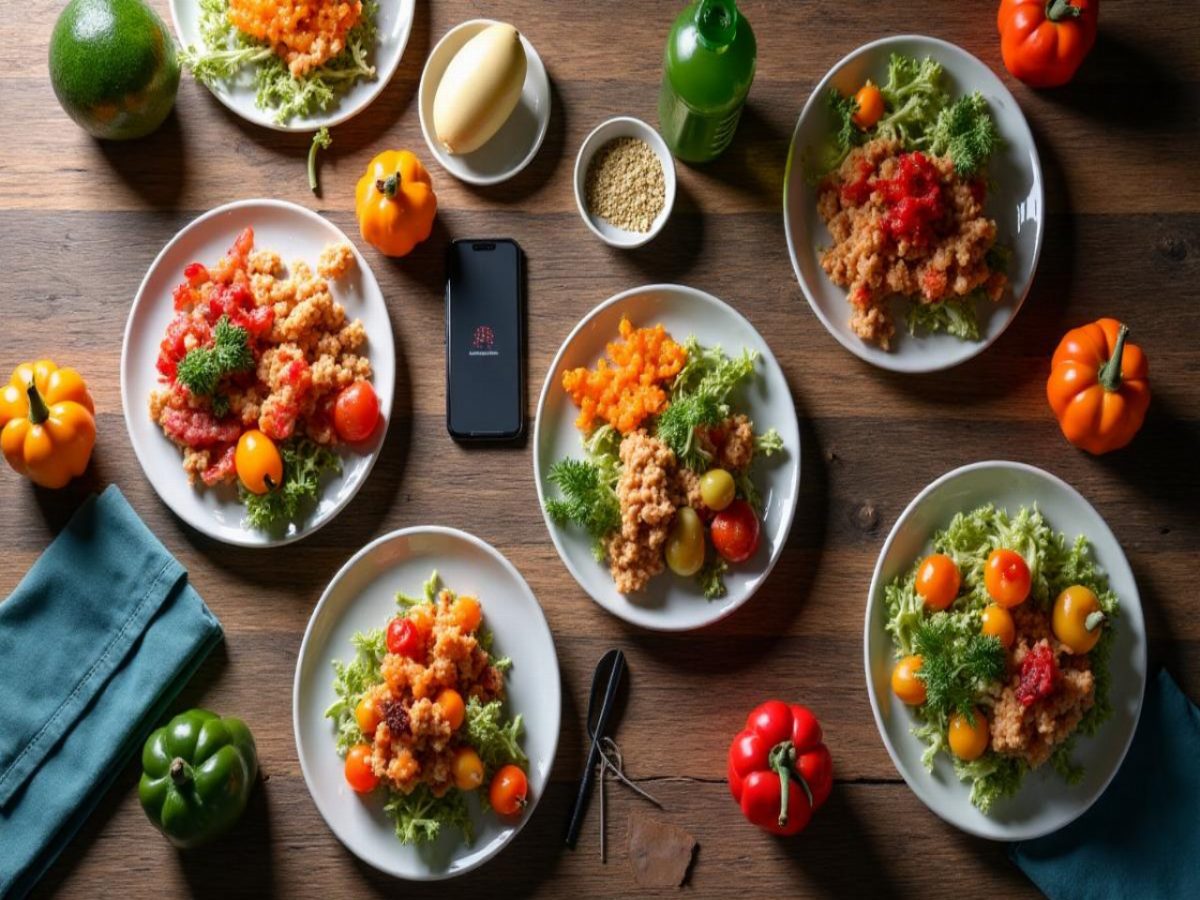
| Key Points | Details to Remember |
|---|---|
| 🍽️ Definition | Custom meals prepared according to your nutritional needs |
| ⚙️ Operation | Algorithms and experts combined to develop the menu |
| 🎯 Benefits | Dietary balance, time saving and taste pleasure |
| 🧬 Personalization | Biometric data, preferences and goals |
| 📱 Accessibility | Orders via mobile app or website |
| 🌱 Sustainability | Eco-friendly options and zero waste |
| 💡 Trends 2025 | Integration of AI and augmented reality |
At the crossroads of technology and nutrition, personalized meal platforms are establishing themselves as the new wellness reflex. In 2025, these services no longer just deliver balanced meals: they evolve towards hyper-personalization, combining biometric data, taste preferences, and sustainable commitment. Decoding this shift that could well reshape the way we eat.
Sommaire
Evolution of Personalized Meal Platforms
Major Trends of 2025
A strong movement is observed: the gamification of eating. Apps encourage completing health challenges, tracking progress, and comparing scores. At the same time, partnerships are flourishing between dietitians, chefs, and data scientists to refine nutritional algorithms. The result? Ever more precise recommendations, taking into account both your weekly marathons and your gluten tolerance.
Technologies Serving Nutrition
Image recognition now allows analyzing the composition of a meal taken in a photo, instantly adjusting future portions. Connected sensors—bracelets, smart scales, watches—collect physiological parameters continuously. Not to mention machine learning, capable of anticipating a craving and proposing a snack adapted to your metabolic profile. These innovations transform each subscription into an active experience where you remain in control of your choices.
How Do These Subscriptions Work?
Data Collection and Analysis
Initially, a detailed questionnaire and entry of your latest vitals (weight, activity, allergies) shape your profile. Then, platforms cross-reference this data with your feedback—taste satisfaction, satiety—to adjust each dish. Feedback is sometimes collected via mini-surveys in the app, or even by a chatbot asking: “Was this dinner too spicy?”.
Menu Development
Once your goals are set (muscle gain, weight loss, performance), a rules engine generates a weekly menu. At each step, a nutritionist intervenes to validate overall coherence, ensure variety, and avoid monotony. Recipes are then formatted into calibrated portions, ready to be assembled in partner kitchens or dark kitchens.
Delivery and Sustainable Logistics
Logistics is no longer just a matter of route planning. In 2025, it incorporates carbon optimization criteria: grouped trips, compostable packaging, and short supply chains for local ingredients. Some platforms even offer the return of reusable containers in exchange for credit on the next order, drastically reducing waste.
Benefits for Consumers
Time Saving and Peace of Mind
No longer having to think about the menu frees up considerable mental space. No need to calculate macros or rush to the supermarket at peak hours: everything is settled in a few voice commands or taps on the screen.
Adaptation to Individual Needs
Whether you are vegetarian, a high-level athlete, or suffer from intolerances, each dish is designed for you. For example, a marathon runner can enjoy a snack with a controlled glycemic index, while a stressed executive will find a dinner rich in calming magnesium.
Impact on Daily Well-being
Beyond the simple meal, it is a comprehensive support. Many services offer follow-up via coaches, community forums, and online workshops. The result: you feel more responsible, engaged, and above all capable of maintaining these good habits long term.
Selection Criteria and Best Practices
Check Ingredient Quality
Favor organic labels or partnerships with local farms. Some providers even invite subscribers to visit their suppliers to guarantee full transparency.
Understand Pricing Transparency
When subscribing, compare the cost per meal, but also hidden fees: delivery, returnable packaging, or paid personalized advice.
Try Before Committing
Most platforms offer a discovery package at a reduced price. It’s an opportunity to note taste quality, app usability, and customer service efficiency.
Future Perspectives
Towards Hyper-Personalization
Next steps include genomic analysis to offer a dietary plan adjusted to your genetic heritage. Imagine a breakfast configured according to your lipid metabolism variants!
Integration of Augmented Reality
In 2025, some apps experiment with overlaying culinary instructions in AR: visualize in real time the right portions to pour and be guided step by step, directly on your work surface.
FAQ
What is a personalized meal platform?
It is an online service that designs menus adapted to your needs—nutritional, taste, or health—thanks to data cross-referencing and dietetic expertise.
How do these services integrate health data?
They combine questionnaires, connected devices, and feedback to automatically adjust portions, ingredient choices, and meal timing.
Are they suitable for specific diets?
Absolutely. Whether you follow a vegan, ketogenic, or gluten-free diet, most platforms offer dedicated plans and filters to eliminate allergens.
What budget should be expected?
Expect on average €8 to €15 per meal, depending on the level of personalization and ingredient quality. Premium offers can climb around €20.
Can the subscription be paused or canceled easily?
Yes. Most providers offer flexible management via the app: pause, change the number of meals, or cancel in a few clicks, with no hidden fees.