| Key Points | Details to Remember |
|---|---|
| 🥗 GI Definition | Measure of how quickly a food raises blood sugar. |
| 💪 Main Benefits | Stabilizes insulin secretion and prolongs satiety. |
| 📊 Categorization | Classifies foods into low, medium, high GI. |
| 🛒 Practical Integration | Tips for composing your menus and shopping lists. |
| 🔄 Substitutions | Replace high GI foods with suitable alternatives. |
| ⚖️ GI vs Load | Combine index and portion for optimal control. |
The glycemic index (GI) of a food represents the ability of its carbohydrates to raise your blood sugar after ingestion. Choosing foods with a low glycemic index not only helps avoid blood sugar spikes but also moderates the insulin response and prolongs the feeling of fullness. Whether you want to stabilize your energy throughout the day or support a weight management approach, selecting low glycemic index foods becomes a strategic choice. This article offers a detailed dive into the concept of GI, a comprehensive table classified by food families, shopping lists, sample menus, and a series of tips to integrate these nutritional markers into your daily life.
Sommaire
Definition and Role of the Glycemic Index
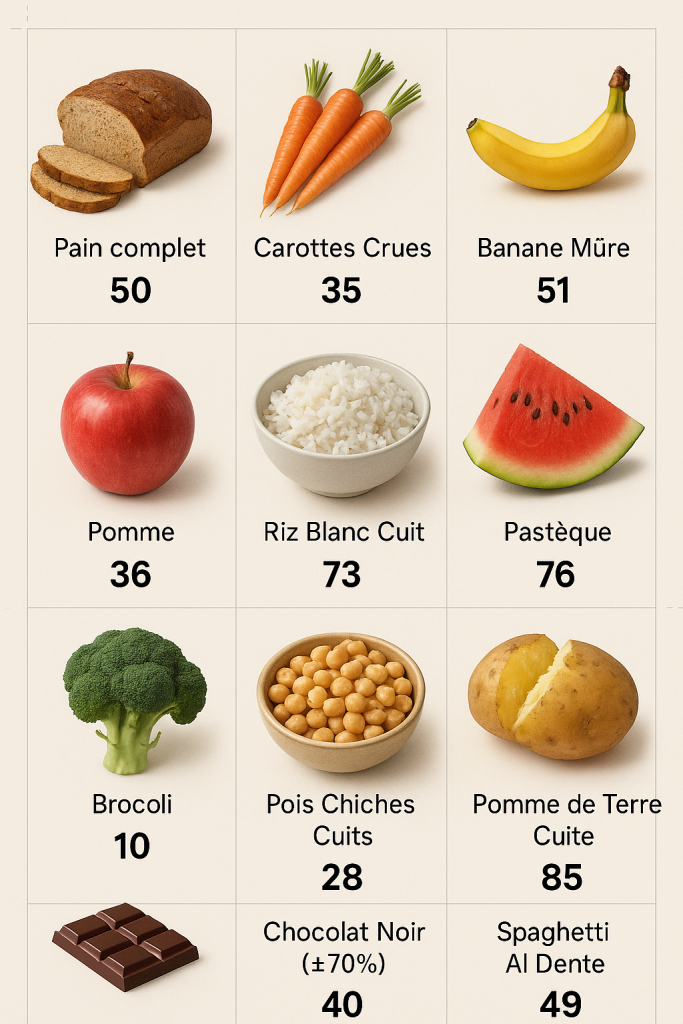
Invented in the 1980s by Dr. David Jenkins, the glycemic index compares the glycemic response of a food to that of a reference food (pure glucose or white bread). There are three main classes: low GI (≤ 55), medium GI (56–69), and high GI (≥ 70). This scale is not limited to a number: it reflects the nature of carbohydrates, starch structure, presence of fibers, lipids, proteins, or organic acids.
Physiologically, a low GI induces a gradual rise in blood glucose, which avoids a sudden insulin secretion and helps maintain a longer-lasting feeling of satiety. Conversely, a high GI causes a glycemic spike, then a reactive hypoglycemia that quickly triggers hunger. Over time, this repeated cycle can promote weight gain and lead to insulin resistance.
As part of monitoring your blood sugar, monitor your blood sugar levels alongside your food choices. This GI + glycemic control duo gives you a complete view of your metabolism and helps adjust your portions or adapt physical activity.
Thresholds and Classification
- Low GI (≤ 55): non-starchy vegetables, most fruits, legumes.
- Medium GI (56–69): basmati rice, whole wheat bread, certain cereals.
- High GI (≥ 70): white bread, potatoes, quick-cooking rice.
Impact on Health
Recommendations from the World Health Organization (WHO) emphasize the benefit of favoring low GI foods to reduce the risk of type 2 diabetes and cardiovascular diseases. On an individual level, improvements in lipid profiles and finer control of calorie intake are observed, since satiety sets in faster and lasts longer.
Table of Low GI Foods
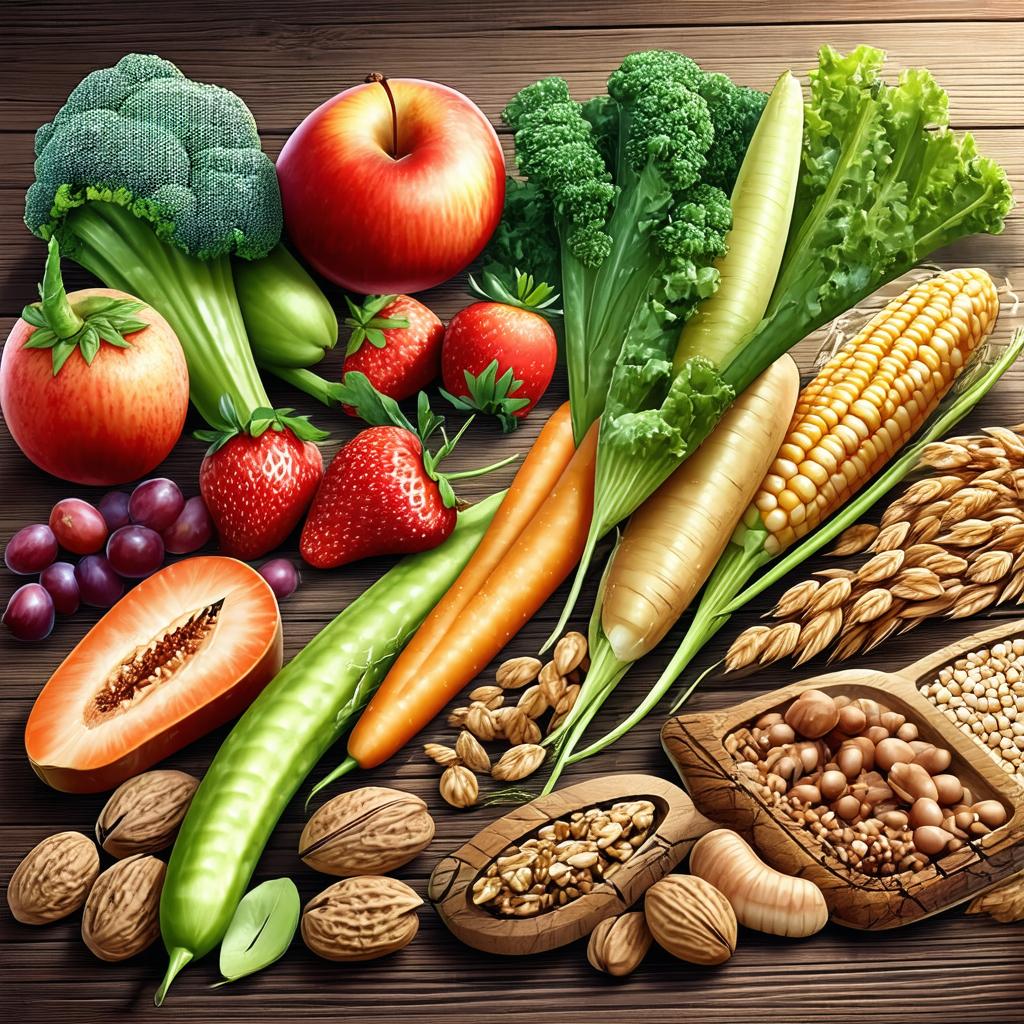
Below is a detailed table of low glycemic index foods, classified by major families. Values may vary depending on ripeness, cooking, or variety, but they provide a solid base for composing balanced meals.
| Category | Food | Approximate GI |
|---|---|---|
| 🥦 Non-starchy vegetables | Broccoli, spinach, zucchini | 15–20 |
| 🍓 Fresh fruits | Apple, pear, strawberry, cherry | 30–40 |
| 🥜 Nuts & seeds | Walnuts, almonds, hazelnuts | < 20 |
| 🥖 Cereals & breads | Whole wheat bread, whole oat flakes | 40–55 |
| 🥛 Fermented dairy products | Plain yogurt, kefir | 25–35 |
| 🍲 Legumes | Chickpeas, lentils, red beans | 25–40 |
These low glycemic index foods form the backbone of a balanced dietary plan. By alternating vegetables, low-sugar fruits, and sources of plant or fermented dairy proteins, you limit glycemic fluctuations while maximizing micronutrient intake.
Foods to Avoid: High or Misleading GI
The most common trap concerns products perceived as “healthy” but whose GI remains high despite an interesting nutritional profile. This is the case with industrial whole wheat bread made from over-processed flour, or breakfast cereals often enriched with fast sugars.
- Steamed potatoes or instant mashed potatoes: GI 70–90.
- White bread, baguette: GI 75–95.
- Puffed rice, sweetened cereals: GI 80–90.
- Watermelon, pineapple: GI 70–80 despite high water content.
Even cooked beetroot can reach a medium-high GI, although rich in beneficial nitrates. The watchword remains to check the glycemic index of potatoes or any starchy food before consuming it frequently.
How to Integrate Low GI Foods into Daily Life?
Switching to low GI foods does not mean deprivation but rethinking the composition of your plates. Here are some tips to make this transition simple and tasty.
🛒 Typical Shopping List
- Varied green vegetables: broccoli, green beans, spinach.
- Low-sugar fresh fruits: apples, berries, citrus fruits.
- Low GI protein sources: fatty fish, eggs, plain yogurt, legumes.
- Whole grains: oat flakes, bulgur, quinoa.
- Nuts for snacks: almonds, cashews, pistachios.
🍽️ Sample Daily Menu
- Breakfast: whole oat porridge with red fruits and almonds.
- Lunch: green lentil salad, grilled vegetables, chicken fillet.
- Snack: plain yogurt, some cherries, and chia seeds.
- Dinner: baked salmon, sautéed spinach, small portion of quinoa.
🔄 Equivalents to Substitute High GI Foods
- Potatoes ➔ less cooked sweet potato.
- White bread ➔ whole grain seeded bread.
- White rice ➔ whole basmati rice or wild rice.
- Commercial cereals ➔ homemade muesli without added sugar.
| Key Points | Details to Remember |
|---|---|
| 🥗 GI Definition | Measure of how quickly a food raises blood sugar. |
| 💪 Main Benefits | Stabilizes insulin secretion and prolongs satiety. |
| 📊 Categorization | Classifies foods into low, medium, high GI. |
| 🛒 Practical Integration | Tips for composing your menus and shopping lists. |
| 🔄 Substitutions | Replace high GI foods with suitable alternatives. |
| ⚖️ GI vs Load | Combine index and portion for optimal control. |
The glycemic index (GI) of a food represents the ability of its carbohydrates to raise your blood sugar after ingestion. Choosing foods with a low glycemic index not only helps avoid blood sugar spikes but also moderates the insulin response and prolongs the feeling of fullness. Whether you want to stabilize your energy throughout the day or support a weight management approach, selecting low glycemic index foods becomes a strategic choice. This article offers a detailed dive into the concept of GI, a comprehensive table classified by food families, shopping lists, sample menus, and a series of tips to integrate these nutritional markers into your daily life.
Definition and Role of the Glycemic Index
Invented in the 1980s by Dr. David Jenkins, the glycemic index compares the glycemic response of a food to that of a reference food (pure glucose or white bread). There are three main classes: low GI (≤ 55), medium GI (56–69), and high GI (≥ 70). This scale is not limited to a number: it reflects the nature of carbohydrates, starch structure, presence of fibers, lipids, proteins, or organic acids.
Physiologically, a low GI induces a gradual rise in blood glucose, which avoids a sudden insulin secretion and helps maintain a longer-lasting feeling of satiety. Conversely, a high GI causes a glycemic spike, then a reactive hypoglycemia that quickly triggers hunger. Over time, this repeated cycle can promote weight gain and lead to insulin resistance.
As part of monitoring your blood sugar, monitor your blood sugar levels alongside your food choices. This GI + glycemic control duo gives you a complete view of your metabolism and helps adjust your portions or adapt physical activity.
Thresholds and Classification
- Low GI (≤ 55): non-starchy vegetables, most fruits, legumes.
- Medium GI (56–69): basmati rice, whole wheat bread, certain cereals.
- High GI (≥ 70): white bread, potatoes, quick-cooking rice.
Impact on Health
Recommendations from the World Health Organization (WHO) emphasize the benefit of favoring low GI foods to reduce the risk of type 2 diabetes and cardiovascular diseases. On an individual level, improvements in lipid profiles and finer control of calorie intake are observed, since satiety sets in faster and lasts longer.
Table of Low GI Foods
Below is a detailed table of low glycemic index foods, classified by major families. Values may vary depending on ripeness, cooking, or variety, but they provide a solid base for composing balanced meals.
| Category | Food | Approximate GI |
|---|---|---|
| 🥦 Non-starchy vegetables | Broccoli, spinach, zucchini | 15–20 |
| 🍓 Fresh fruits | Apple, pear, strawberry, cherry | 30–40 |
| 🥜 Nuts & seeds | Walnuts, almonds, hazelnuts | < 20 |
| 🥖 Cereals & breads | Whole wheat bread, whole oat flakes | 40–55 |
| 🥛 Fermented dairy products | Plain yogurt, kefir | 25–35 |
| 🍲 Legumes | Chickpeas, lentils, red beans | 25–40 |
These low glycemic index foods form the backbone of a balanced dietary plan. By alternating vegetables, low-sugar fruits, and sources of plant or fermented dairy proteins, you limit glycemic fluctuations while maximizing micronutrient intake.
Foods to Avoid: High or Misleading GI
The most common trap concerns products perceived as “healthy” but whose GI remains high despite an interesting nutritional profile. This is the case with industrial whole wheat bread made from over-processed flour, or breakfast cereals often enriched with fast sugars.
- Steamed potatoes or instant mashed potatoes: GI 70–90.
- White bread, baguette: GI 75–95.
- Puffed rice, sweetened cereals: GI 80–90.
- Watermelon, pineapple: GI 70–80 despite high water content.
Even cooked beetroot can reach a medium-high GI, although rich in beneficial nitrates. The watchword remains to check the glycemic index of potatoes or any starchy food before consuming it frequently.
How to Integrate Low GI Foods into Daily Life?
Switching to low GI foods does not mean deprivation but rethinking the composition of your plates. Here are some tips to make this transition simple and tasty.
🛒 Typical Shopping List
- Varied green vegetables: broccoli, green beans, spinach.
- Low-sugar fresh fruits: apples, berries, citrus fruits.
- Low GI protein sources: fatty fish, eggs, plain yogurt, legumes.
- Whole grains: oat flakes, bulgur, quinoa.
- Nuts for snacks: almonds, cashews, pistachios.
🍽️ Sample Daily Menu
- Breakfast: whole oat porridge with red fruits and almonds.
- Lunch: green lentil salad, grilled vegetables, chicken fillet.
- Snack: plain yogurt, some cherries, and chia seeds.
- Dinner: baked salmon, sautéed spinach, small portion of quinoa.
🔄 Equivalents to Substitute High GI Foods
- Potatoes ➔ less cooked sweet potato.
- White bread ➔ whole grain seeded bread.
- White rice ➔ whole basmati rice or wild rice.
- Commercial cereals ➔ homemade muesli without added sugar.
Glycemic Index vs Glycemic Load
The glycemic index informs on the quality of carbohydrates but does not indicate the quantity consumed. Glycemic load (GL) combines GI and the portion eaten: GL = (GI × net carbs in grams) ÷ 100. A fruit with moderate GI can therefore become a high load if the portion exceeds 200 g.
For example, watermelon has a GI around 72, but its glycemic load for 100 g remains low (GL ≈ 4) thanks to its high water content. Conversely, chickpeas have a GI of about 28, but a generous portion can quickly raise the GL. Combining a low GI food with fats or proteins reduces the load of each bite.
FAQ
Does a low GI food cause weight loss?
Weight loss results from an overall calorie deficit, but low GI foods help regulate appetite. By slowing glucose absorption, they reduce cravings and maintain stable energy, which facilitates portion control throughout the day.
Can I consume medium GI foods?
Yes, medium GI foods (56–69) can be included occasionally. The important thing is to pair them with fiber (vegetables, legumes) or healthy fats (olive oil, avocado) to temper the glycemic response.
Does GI change depending on cooking?
Indeed, prolonged cooking often increases GI by breaking down starch. Al dente pasta retains a lower GI than the same pasta overcooked. Similarly, sticky rice will have a higher GI than basmati rice cooked just right.
Conclusion
Selecting low glycemic index foods means choosing sustainable energy, preserving insulin sensitivity, and acting on satiety. Beyond numbers, it is an invitation to diversify your plates, favor minimally processed products, and listen to your body. Rather than aiming for perfection at every meal, focus on the consistency of your choices and adapt portions according to your current needs.
Glycemic Index vs Glycemic Load
The glycemic index informs on the quality of carbohydrates but does not indicate the quantity consumed. Glycemic load (GL) combines GI and the portion eaten: GL = (GI × net carbs in grams) ÷ 100. A fruit with moderate GI can therefore become a high load if the portion exceeds 200 g.
For example, watermelon has a GI around 72, but its glycemic load for 100 g remains low (GL ≈ 4) thanks to its high water content. Conversely, chickpeas have a GI of about 28, but a generous portion can quickly raise the GL. Combining a low GI food with fats or proteins reduces the load of each bite.
FAQ
Does a low GI food cause weight loss?
Weight loss results from an overall calorie deficit, but low GI foods help regulate appetite. By slowing glucose absorption, they reduce cravings and maintain stable energy, which facilitates portion control throughout the day.
Can I consume medium GI foods?
Yes, medium GI foods (56–69) can be included occasionally. The important thing is to pair them with fiber (vegetables, legumes) or healthy fats (olive oil, avocado) to temper the glycemic response.
Does GI change depending on cooking?
Indeed, prolonged cooking often increases GI by breaking down starch. Al dente pasta retains a lower GI than the same pasta overcooked. Similarly, sticky rice will have a higher GI than basmati rice cooked just right.
Conclusion
Selecting low glycemic index foods means choosing sustainable energy, preserving insulin sensitivity, and acting on satiety. Beyond numbers, it is an invitation to diversify your plates, favor minimally processed products, and listen to your body. Rather than aiming for perfection at every meal, focus on the consistency of your choices and adapt portions according to your current needs.