| Key Points | Details to Remember |
|---|---|
| 🌱 Definition | Sustainable nutrition combines personal health and ecosystem preservation through local and seasonal food |
| 🚜 Ecological Impact | Reduction by 5 to 20 times of the carbon footprint compared to imported products |
| 🍎 Nutritional Value | Seasonal vegetables retain up to 30% more vitamins and antioxidants |
| 💰 Circular Economy | Every euro spent locally generates €2.5 in regional benefits |
| 📆 Natural Rhythm | Following the seasons automatically diversifies micronutrient intake |
| 🛒 Accessibility | Short supply chains eliminate 4 intermediaries on average for fair prices |
The plate becomes a political act when it consists of crunchy carrots bought from the local producer rather than frozen green beans traveling thousands of kilometers. This approach goes beyond a simple culinary trend: it is a reconnection to the territory and its natural cycles. We often underestimate how our daily food choices shape agricultural landscapes and influence our health capital. Yet, shifting to food rooted in local and seasonal sources offers tangible benefits that go far beyond gustatory pleasure.
Sommaire
Ecological Impact: A Carbon Footprint That Speaks
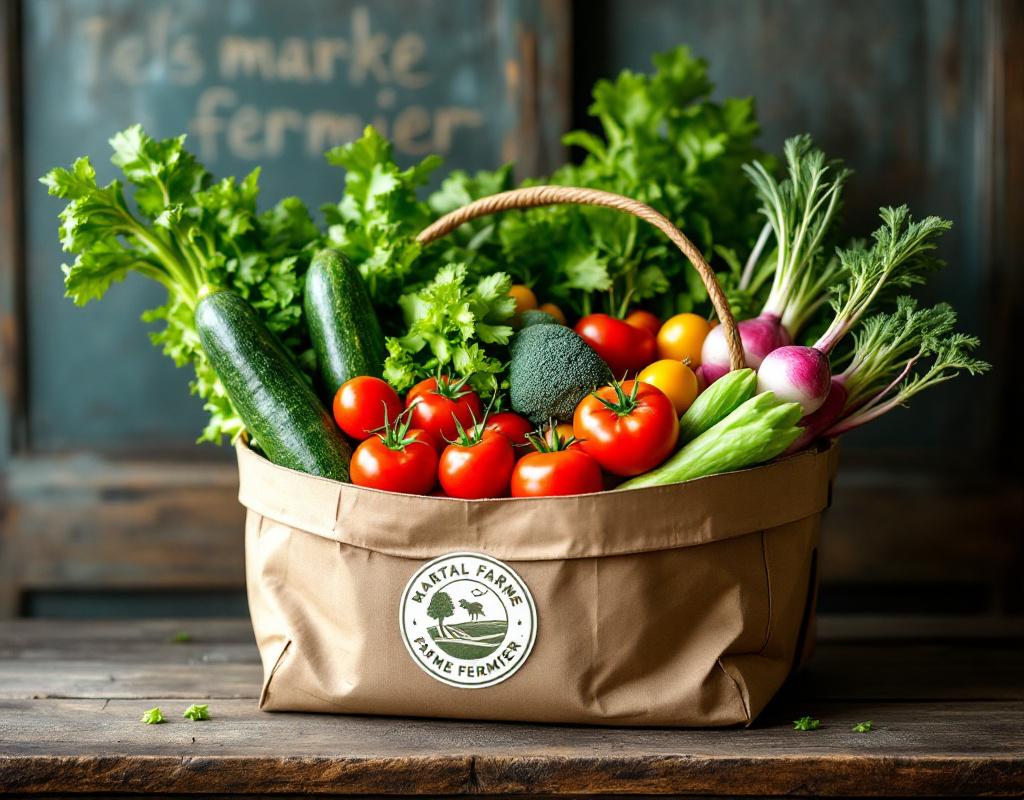
The journey of a Spanish tomato to your supermarket in February consumes the energy equivalent of 80 tomatoes grown outdoors 10 km from your home. This observation illustrates why food accounts for 25% of the carbon footprint of French households. By choosing locally grown seasonal products, you mechanically reduce the stages of transport, refrigeration, and packaging. Local fruits and vegetables travel on average 65 km compared to 2,400 km for their imported equivalents. This difference translates into a tenfold reduction in CO2 emissions. But the ecological advantage does not stop there: seasonal crops integrate into local ecosystems without depleting groundwater or requiring energy-intensive heated greenhouses.
Biodiversity: when your basket preserves species
Preferring old varieties of apples or squashes available near you helps maintain genetic diversity threatened by intensive agriculture. Export monocultures standardize species while local market gardeners often grow forgotten vegetables like parsnips or Jerusalem artichokes. This cultivated biodiversity acts as insurance against plant diseases and climate change. Regional conservatories list more than 200 varieties of fruits and 150 typical vegetables found only with producers committed to preservation efforts.
Health: nutrients that don’t travel economy class
A study by INRAE reveals that spinach loses 50% of its vitamin C within 48 hours after harvest. This nutritional decline accelerates when products undergo long transports and cold storage. Conversely, vegetables picked at maturity and consumed the same day preserve their optimal concentration of antioxidants, vitamins, and minerals. Tomatoes ripened in the sun develop up to 30% more lycopene than those harvested green. This immediate freshness also changes texture and flavor: biting into a radish just pulled from the ground offers an explosion of spiciness and crunch that “traveling” versions cannot imitate.
The nutritional calendar of nature
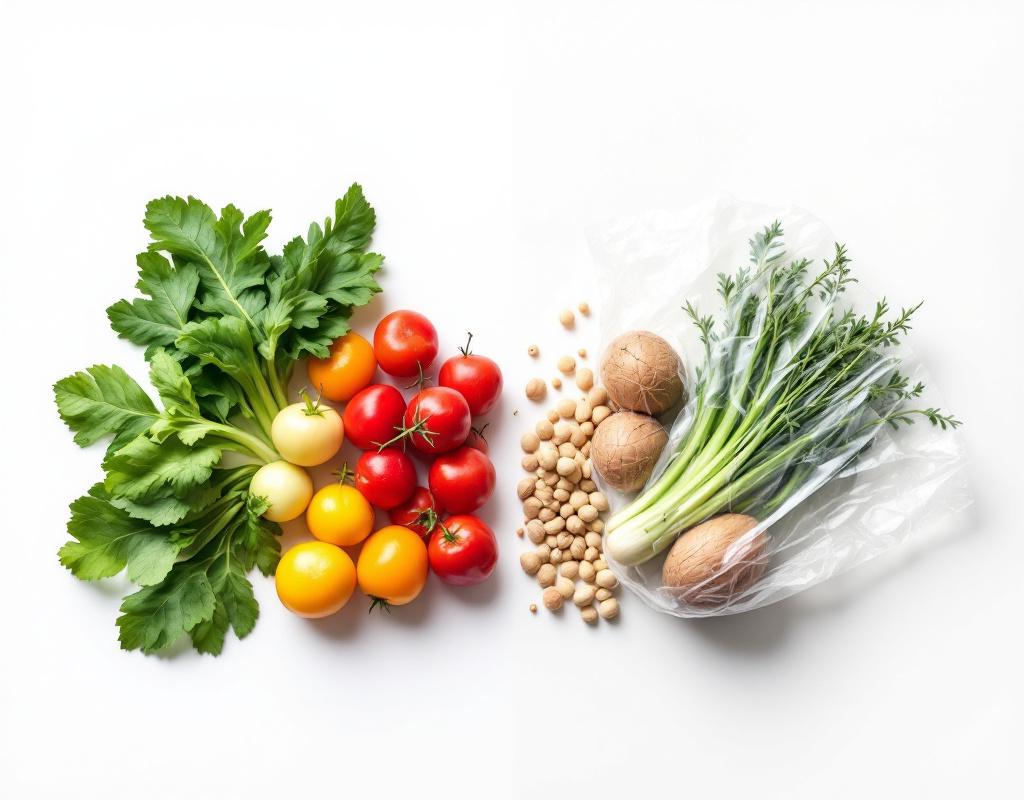
Eating according to the seasons corresponds to a little-known principle of food chronobiology. Winter citrus fruits provide the vitamin C necessary to fight seasonal infections, while squashes rich in beta-carotene prepare the skin for spring sun. In summer, cucumbers and watermelons full of water naturally hydrate us. This harmony between our physiological needs and natural availability shows that the rhythm of the seasons is no coincidence. Nutritionists also observe that this cyclical diversity prevents micronutrient deficiencies without complex calculations.
The local economy: your fork as a lever for change
Did you know that a farmer receives only 8 to 15% of the final price of a vegetable sold in supermarkets? This figure jumps to 60-75% when you buy directly at the farm or through a Community Supported Agriculture (CSA) scheme. This fair remuneration allows producers to live decently without excessively expanding their farms. Short supply chains also create 4 times more jobs per hectare than industrial agriculture. At the regional level, every euro spent locally generates up to €2.5 in economic benefits thanks to the multiplier effect. Your decision to buy apples from the nearby orchard rather than the supermarket indirectly supports the village school, the mechanic, and the local café.
The new faces of local distribution
Initiatives are flourishing to make access to local products easier:
- Farmers’ drives: online ordering and pickup at a single site gathering several producers
- Participatory picking: harvest your own vegetables at cost price in dedicated fields
- Basket subscriptions with bike delivery to offices or pickup points
- Interactive maps listing all direct sales points by geolocation
Practical guide for a successful transition
Getting started may seem intimidating, but a few simple changes open the way:
| Season | Star vegetables | Easy recipe |
|---|---|---|
| Spring | Asparagus, radishes, peas | Green asparagus and parmesan risotto |
| Summer | Tomatoes, zucchinis, eggplants | Provençal tian with fresh herbs |
| Autumn | Red kuri squash, mushrooms, leeks | Velvety roasted red kuri squash soup |
| Winter | Cabbages, carrots, endives | Cauliflower gratin with crushed hazelnuts |
The key lies in improvisation rather than strict adherence to recipes. A starred chef recently confided: “My cooking is born from the market, not from specifications.” This philosophy frees you from the anxiety of the “perfect dish.” Your week begins with a visit to the market where you compose with the fullest stalls. Abundant zucchinis? They will become lasagna, gazpacho, or fritters according to your desires. This culinary flexibility also reduces waste: radish leaves turn into pesto, vegetable peelings into concentrated broth.
Outsmarting the traps of “localwashing”
Some supermarkets display French flags on products grown out of season in heated greenhouses. To authenticate the origin:
- Prefer precise appellations (producer’s name, town) over vague mentions (“product of France”)
- Demand seasonality calendars by region – strawberries in December remain an ecological aberration even if grown “locally”
- Beware of prices that are too low: a true local producer cannot compete with the costs of industrial agriculture
Frequently Asked Questions
How to compose balanced menus in winter with little variety?
Root vegetables (carrots, parsnips, beets) and cruciferous vegetables (cabbages, broccoli) offer unsuspected diversity. Combine them with local cereals (buckwheat, rye) and legumes (lentils, split peas) for complete dishes.
Are local products really more expensive?
The UFC-Que Choisir study shows an average extra cost of 15% offset by less waste (fresher and tastier products) and more reasonable purchases. Many AMAPs offer solidarity baskets at adjusted prices.
Where can I find a reliable seasonal calendar for my region?
Regional chambers of agriculture publish precise calendars integrating microclimatic variations. Geolocated mobile applications also update availability in real time.
This approach gradually transforms our relationship with food. We rediscover that green beans have a season, that strawberries gain in flavor when we wait until June, and that every bite carries the history of a terroir and know-how. These daily choices build food resilience while recreating a link between consumers and producers. Sustainable nutrition is not a step backward, but a tasty path toward the future.