| Key Points | Details to Remember |
|---|---|
| 🍽️ Definition | Tryptophan is an essential amino acid precursor of serotonin. |
| 🌿 Food Sources | Whole grains, eggs, seeds, dairy products, and fruits. |
| ⚙️ Mechanism | Conversion into serotonin via cofactors such as vitamin B6. |
| 😊 Benefits | Improvement of mood, appetite, sleep, and concentration. |
| 🍳 Recipes | Yogurt bowl, porridge, spinach omelette. |
| 📝 Practical Tips | Combine slow carbohydrates and vitamin B6 to optimize absorption. |
In the morning, our body demands a balanced intake to start the day well, and tryptophan plays a discreet but major role in this. By nourishing serotonin synthesis, this amino acid acts as a mood regulator and a natural support for well-being. Rather than turning to stimulants or sweets, designing a tryptophan-rich breakfast can transform your morning: less stress, better sleep in the long run, and a general feeling of serenity.
Sommaire
The role of tryptophan in the brain
An amino acid precursor
Unlike most amino acids, tryptophan does not accumulate in muscles but enters directly into the central nervous system. It is called “essential” because the body cannot produce it: it must come from food. As soon as it crosses the blood-brain barrier, it initiates the production of serotonin, the neurotransmitter often nicknamed the “happiness hormone.”
Conversion mechanism
The transformation of tryptophan into serotonin involves two key enzymes, with vitamin B6 as the main cofactor. Without sufficient intake of this micronutrient, tryptophan stagnates and does not convert efficiently. Hence the importance of choosing foods that provide not only the amino acid but also promoting partners, such as whole grains or green vegetables.
Tryptophan sources suitable for breakfast
Dairy products and plant-based alternatives
Cottage cheese, yogurt, and soy milk are among the simplest choices. Added to these are plant-based drinks enriched with pea or almond proteins, which offer a very similar amino acid profile. Keep a bowl of yogurt handy and complement it with pumpkin or chia seeds to increase the tryptophan content.
Whole Grains and Fruits
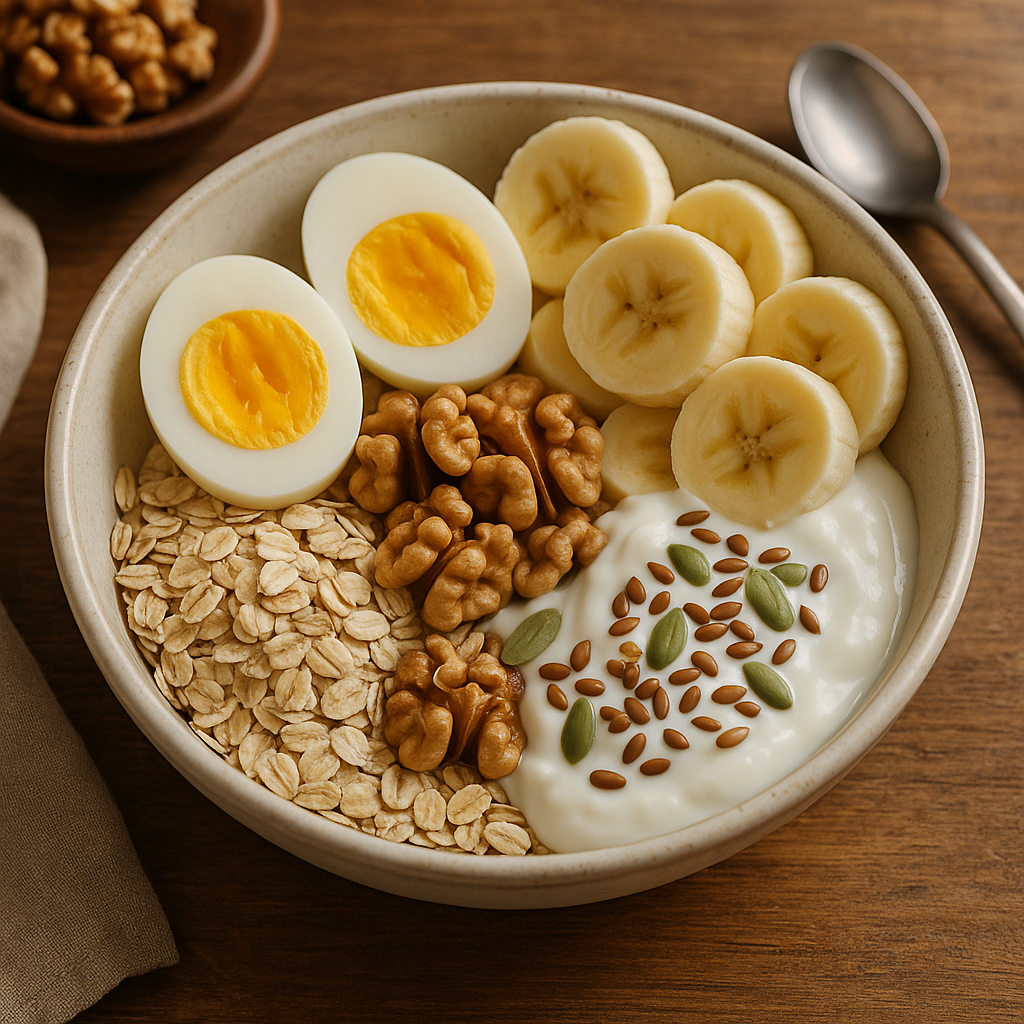
Oats help maintain a steady flow of glucose, necessary for transporting amino acids to the brain. Combined with a banana, rich in tryptophan and potassium, it forms a solid base. Spelt or whole quinoa flakes are also excellent alternatives, providing fiber and micronutrients.
Comparative Table of Contents
| Food | Tryptophan Content (mg/100 g) |
|---|---|
| Pumpkin seeds | 576 |
| Oats | 190 |
| Eggs | 167 |
| Banana | 10 |
| Fromage blanc | 120 |
Simple Recipes for an Optimal Breakfast
Yogurt Bowl with Seeds and Fruits
- 150 g plain yogurt (or soy)
- 1 tablespoon pumpkin and chia seeds
- Half a sliced banana
- Some crushed walnuts
Mix vigorously to evenly distribute the seeds, then add the fruits for freshness. You get a mixture that is both creamy and crunchy, rich in tryptophan and long fibers.
Oat and Walnut Porridge
- 40 g oat flakes
- 200 ml plant-based milk
- 10 g walnuts (English walnuts or Brazil nuts)
- 1 teaspoon honey or maple syrup
Gently heat the flakes in the milk, stir until creamy, then drizzle with honey and sprinkle with walnuts for an additional supply of tryptophan and omega-3.
Light Spinach Omelette
- 2 whole eggs
- A handful of fresh spinach
- Salt, pepper, and herbes de Provence
Beat the eggs, incorporate the spinach previously sautéed dry, then cook over low heat. The combination of animal proteins and vegetables ensures an optimal supply of amino acids and micronutrients.
Benefits on Mood and Well-being
Impact on Serotonin Production
After absorption, a regular intake of tryptophan increases brain serotonin reserves. Over time, this can help reduce anxiety, stabilize mood, and support a more regular sleep-wake cycle. Studies show that a simple dietary adjustment can prove almost as effective as some supplements.
Effects Felt Daily
By replacing overly fatty toasts or pastries with balanced preparations, many report a lasting sense of calm, reduced sugar cravings, and better concentration in the morning. It is a virtuous circle: the better you feel, the more you adopt healthy habits.
Precautions and Tips to Maximize Absorption
- Combine slow carbohydrates and proteins to facilitate the passage of tryptophan to the brain.
- Ensure sufficient intake of vitamin B6 (fatty fish, green vegetables) for conversion into serotonin.
- Avoid excess caffeine or alcohol at breakfast, which disrupt nervous system balance.
- Vary sources (plant and animal) to cover all essential amino acids.
Frequently Asked Questions
- Can I consume a tryptophan-rich breakfast every day?
- Yes, it is even recommended as long as you vary the foods to avoid overloading on fats or sugars.
- What daily amount of tryptophan is suggested?
- Recommendations are around 3.5 mg per kg of body weight, spread over several meals.
- Do vegetarians get enough tryptophan?
- Absolutely, by combining legumes, seeds, and whole grains, the needs are more than covered.
- Does tryptophan also influence sleep?
- Indirectly yes: increased serotonin production eventually promotes the synthesis of melatonin, the sleep hormone.