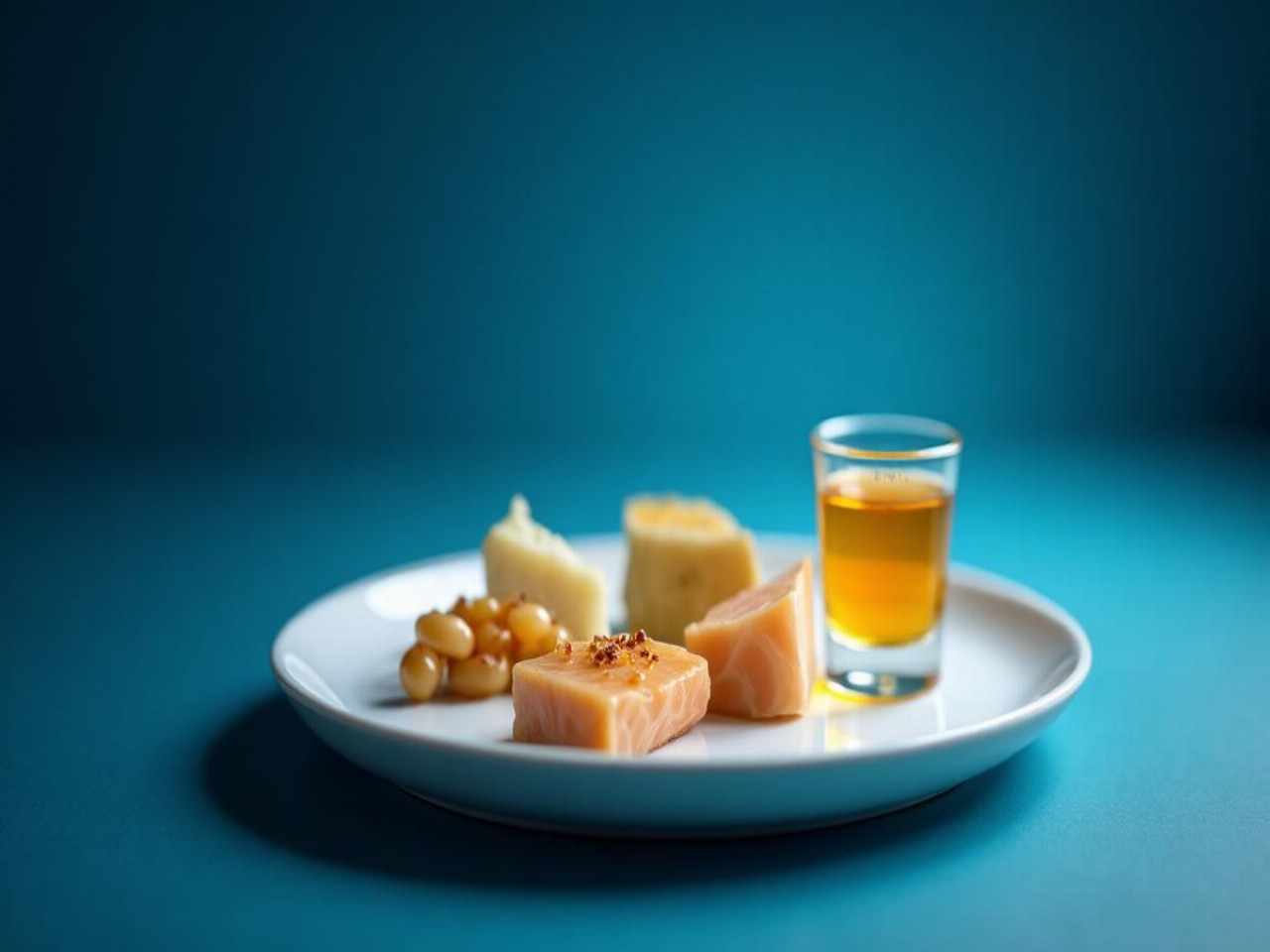
| Key points | Details to remember |
|---|---|
| 🍽️ Definition of tryptophan | Amino acid precursor of serotonin and melatonin |
| 🌙 Role in sleep | Promotes falling asleep and regulation of the night cycle |
| 🦃 Turkey | Rich in proteins and tryptophan for the evening |
| 🥜 Pumpkin seeds | Concentrated in magnesium to relax muscles |
| 🥛 Warm milk | Source of calcium helping the conversion of tryptophan |
| 🥦 Spinach | Provide fiber and nutrients without weighing down digestion |
| 🍒 Cherries | Naturally rich in plant melatonin |
If you have already tossed and turned counting sheep without success, maybe it’s time to take a look at your plate. Tryptophan, this essential amino acid, plays a pivotal role in the production of serotonin and melatonin, our well-being and sleep hormones. Before rushing to the supermarket, let’s see how to smartly include it in your evening meal to promote easier falling asleep and deeper rest.
Sommaire
Why tryptophan is crucial for sleep
Tryptophan stands out among amino acids for its role as a direct precursor of serotonin, then melatonin. Melatonin is often called “the sleep hormone”: it signals our internal clock that it’s time to dive into rest. Without sufficient tryptophan intake, the production of these neurotransmitters can drop, making falling asleep longer and sleep less restorative.
But it’s not that simple: to cross the blood-brain barrier, tryptophan competes with other amino acids. Hence the importance of optimizing your evening meal to favor its absorption, by playing on food combinations and timing of intake. Result: deeper sleep, improved muscle recovery, and a stabilized mood upon waking.
7 foods to prioritize in the evening
1. Turkey – the tryptophan star 🦃
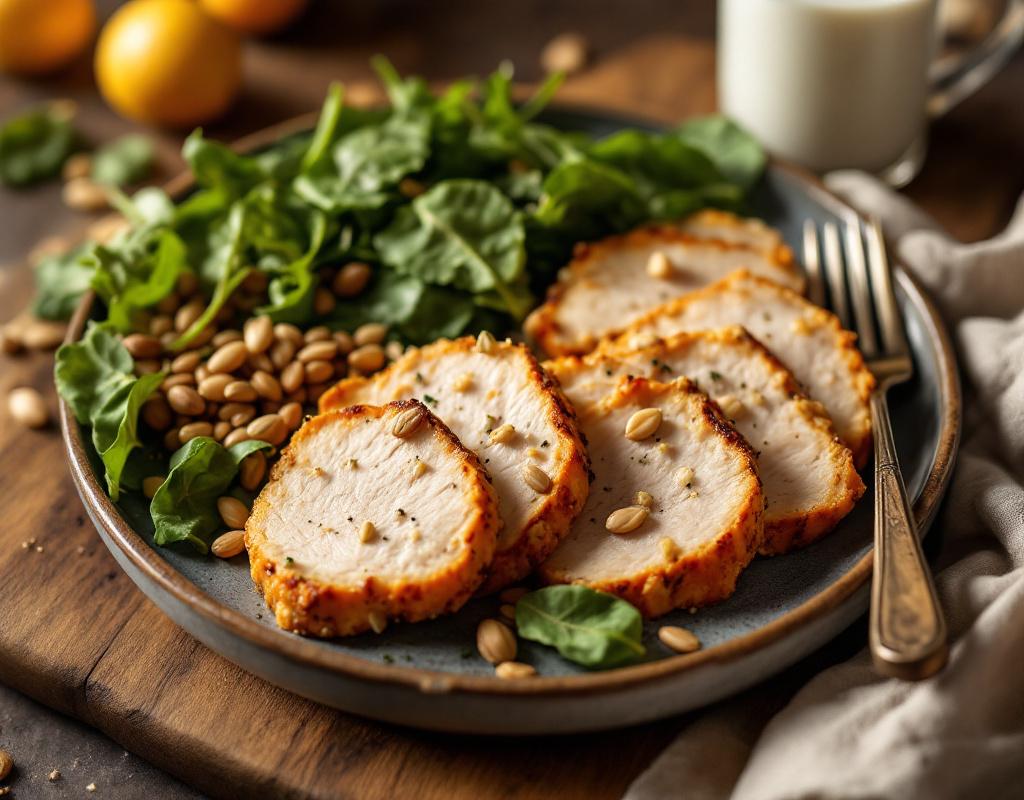
Turkey earns its top spot thanks to its naturally high tryptophan content and light protein profile. A 100 g slice covers more than 15% of the recommended daily intake of tryptophan. Ideal for dinner, it pairs well with a salad enhanced with spinach or a whole wrap. Tip: always accompany your portion with a green vegetable and a complex carbohydrate to facilitate the transport of tryptophan to the brain.
2. Pumpkin seeds – small but sturdy 🌰
These seeds contain on average 0.6 g of tryptophan per 30 g. Another advantage: their magnesium content relaxes muscles and limits spasms at night. They can be sprinkled on vegetable soup or eaten plain, provided you do not exceed a handful to avoid overloading digestion.
3. Warm milk – a classic revisited 🥛
We all think of grandma’s glass of milk, but did you know that calcium facilitates the synthesis of melatonin from tryptophan? A bowl of warm milk, enriched with a pinch of cinnamon or a touch of honey, becomes a true soothing ritual. For those lactose intolerant, prefer enriched soy milk or a lightly heated oat-based drink.
4. Spinach – minerals and gentle softness 🥦
Beyond tryptophan (about 0.1 g per 100 g of cooked spinach), these leaves are packed with magnesium and folates, two allies of nervous relaxation. A small handful incorporated into scrambled eggs or an omelet lightens the meal while adding a significant dose of amino acid.
5. Cherries – naturally melatonin-rich treats 🍒
Eating cherries, fresh or dried, offers a double action: they provide tryptophan (0.02 g per 100 g) and a bit of plant-based melatonin. As a light snack, they can be enough to initiate the endogenous production of melatonin without burdening your digestion before bedtime.
6. Cashew nuts – crunchy and soothing 🥜
Cashew nuts contain about 0.3 g of tryptophan per 30 g, combined with zinc and iron, essential for brain metabolism. Their crunchy texture makes them a perfect snack for small nighttime cravings. However, be careful with portion size: a few pieces are enough to avoid disturbing digestion.
7. Tofu – complete plant protein 🌿
For vegetarian enthusiasts, tofu appears as an interesting source: 100 g of firm tofu provides nearly 0.6 g of tryptophan. A mild sauté, enhanced with mild spices like turmeric and accompanied by brown rice, can become the highlight of a balanced evening meal promoting sleep.
How to maximize tryptophan absorption
Combine with complex carbohydrates
A meal rich in tryptophan benefits from being paired with small amounts of slow carbohydrates (brown rice, sweet potato, quinoa). They stimulate insulin release, which promotes the uptake of competing amino acids by muscles, thus allowing tryptophan to circulate more freely to the brain.
Respect meal timing
Eating too early or too late can work against you. The goal is to have your last meal 1.5 to 2 hours before bedtime: early enough to digest, late enough for tryptophan to remain available when melatonin begins its secretion peak.
FAQ
- Does tryptophan automatically make you sleepy?
Not by itself: it must be properly absorbed and converted into serotonin and then melatonin, which depends on your overall diet and lifestyle. - What amount of tryptophan is recommended?
Daily intake varies, around 3.5 mg/kg of body weight. Including two servings of targeted foods in your dinner is often enough. - Can I combine several of these foods?
Yes, it is even recommended. A spinach salad, some pumpkin seeds, and a slice of turkey offer a synergistic combo. - Are there any contraindications?
Rare, except for allergies or intolerances. If you are taking treatments for depression, consult your doctor before significantly increasing your tryptophan intake. - Does tryptophan act immediately?
Plan for several days of regular use to notice a significant difference in sleep quality.