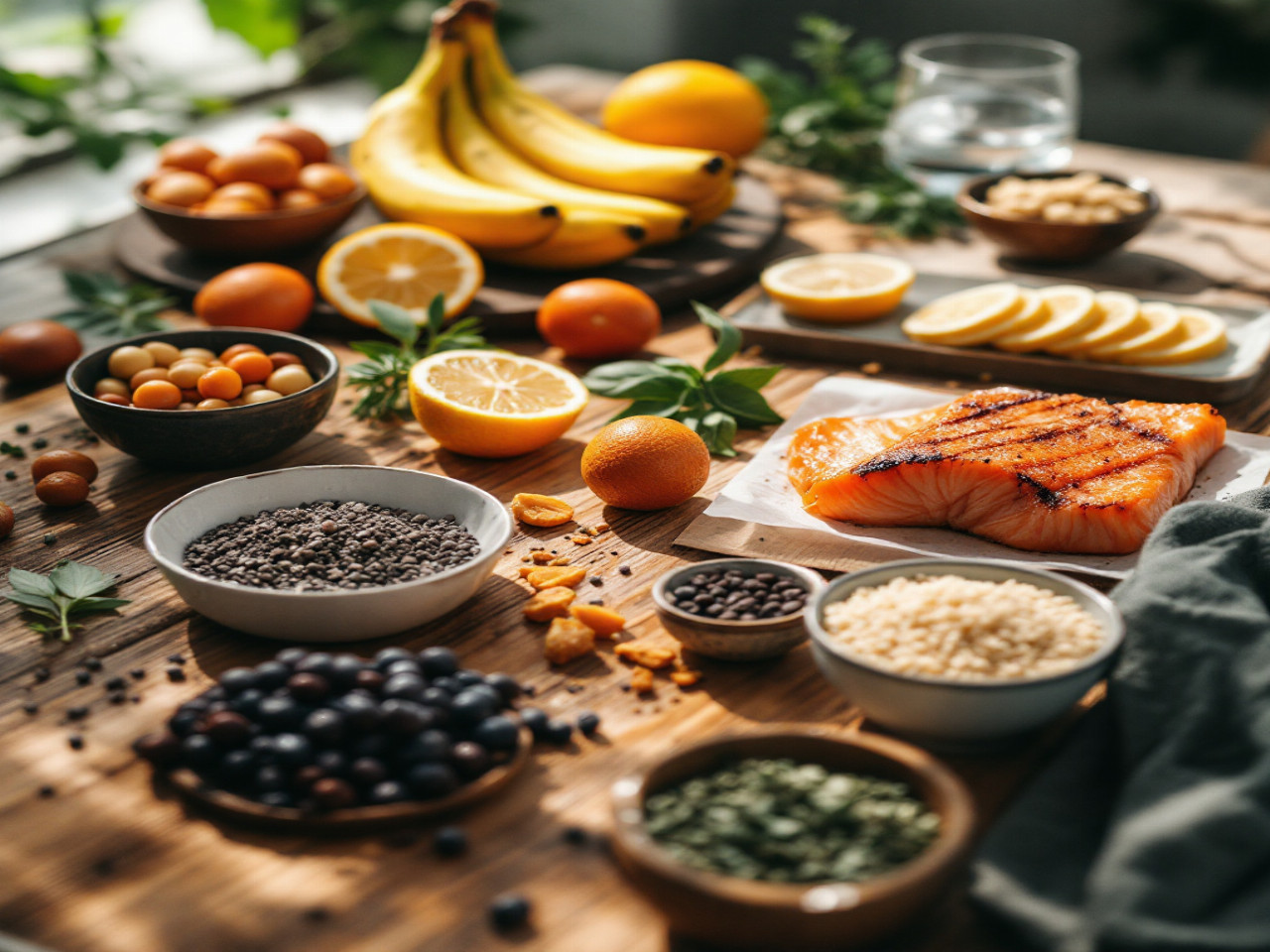
Imagining an inexhaustible energy reserve might come from a bowl of goji berries at breakfast, sprinkled with chia seeds. In reality, a few superfoods are enough to transform fatigue into enthusiasm, without resorting to chemical stimulants. Through this inventory rich in colors and flavors, you will learn to incorporate these treasures of nature into your daily routine. Between culinary anecdotes, practical tips, and numerical comparisons, this guide does not seek to glorify miracle effects, but rather to enlighten your plate with effective novelties.
Sommaire
Why adopt superfoods in your routine?
One might think that all fruits and vegetables will do, but some concentrate vitamins, minerals, and antioxidants at remarkable levels. Unlike isolated supplements, these foods offer a synergy of nutrients difficult to replicate in a laboratory. For example, spirulina is not limited to protein intake: it offers a cocktail of iron, beta-carotene, and phycocyanin, a pigment with anti-inflammatory properties. In this sense, integrating one or two superfoods each week acts as a lasting boost, without a spike of excitement or a harsh crash.
1. Chia seeds
A reservoir of omega-3 and fiber
When in contact with liquid, these small seeds swell to form a soft gel on the palate. A spoonful of chia provides nearly 20% of the recommended daily intake of omega-3, essential fatty acids that promote nervous and muscular balance. Thanks to their richness in soluble fiber, they prolong the feeling of fullness and regulate energy over several hours.
How to consume them?
- Prepare a pudding by soaking them in plant-based milk.
- Add them to your smoothies or homemade vinaigrette for a slight crunch.
- Incorporate them into your breads or muffins for a discreet but effective contribution.
2. Spirulina
A concentrate of protein and iron
This blue-green cyanobacterium is packed with complete proteins, covering 50 to 70% of its dry weight. Its iron is highly bioavailable, ideal for addressing potential deficiency, often accompanied by constant fatigue. Spirulina also contains active pigments, such as phycocyanin, which support immune defenses.
Integration on the plate
A moderate dose (1 to 2 g per day) is sufficient. Dilute the powder in orange juice or a red fruit smoothie to mask its strong taste. Avoid heating it, as heat can alter its fragile nutrients.
3. Goji berries
Antioxidants and amino acids
These small berries originating from the Himalayas shine for their content of essential amino acids and polyphenols. A handful covers a large part of the daily needs in vitamin A and vitamin C, two antioxidants that protect cells from oxidative stress.
Ways to use
- Eat them as is for a snack.
- Rehydrate them in warm herbal tea to intensify the flavor.
- Mix them into your homemade granola for an exotic touch.
4. Maca
Hormonal balance and energy
Maca, a root native to the Andes, is renowned for its action on the endocrine system. Some users report a boost in vitality and better resistance to stress, without necessarily describing an immediate “stimulating” effect. Its richness in B vitamins contributes to cellular energy production.
Simplified recipes
Sprinkle a teaspoon of maca on plain yogurt or morning porridge. For the indulgent, a chocolate-banana-maca smoothie becomes a tasty energy ally.
5. Quinoa
Complete protein without gluten
Much more than a simple seed, quinoa concentrates all essential amino acids. Its digestibility and carbohydrate profile with a low glycemic index ensure a gradual release of energy, ideal for lasting without cravings between meals.
Serving ideas
- Quinoa tabbouleh with fresh herbs and lemon.
- Warm bowl with roasted vegetables and tahini sauce.
- Quinoa patties to pan-fry for lunch.
6. Raw cacao
Moderate natural stimulant
Unroasted cacao retains much of its polyphenols and theobromine, which is milder than caffeine. It improves mood without causing an afternoon “slump.” A few squares in a snack or a hot drink provide magnesium and flavonoids.
Delicious ideas
- Raw cacao mousse with almond milk.
- Homemade energy balls with dates and seeds.
- Raw cacao infusion paired with a hint of cinnamon.
7. Matcha
Concentration of catechins
This Japanese powdered green tea uses the whole leaf instead of a simple infusion. The result: a peak of antioxidants, especially EGCG, which supports mental alertness and delays brain fatigue. The caffeine is balanced by L-theanine, a relaxing amino acid, avoiding the “stress spike” sometimes associated with coffee.
Various preparations
Whisk 1 teaspoon into 100 ml of hot water (80 °C). For a latte, add plant-based milk and a touch of maple syrup. Matcha can also enhance pancake batter or a cake.
8. Hemp seeds
Essential fatty acids and proteins
Hemp seeds offer an omega-6/omega-3 ratio close to ideal, along with 25% high-quality protein. Their mild nutty flavor complements many dishes without leaving a strong plant taste.
Usage tips
- Sprinkle them on your salads or steamed vegetables.
- Incorporate them into porridge, smoothies, or yogurt.
- Grind them into flour for protein-rich breads.
9. Baobab
Vitamin C explosion
The pulp of dried baobab fruit contains 6 to 10 times more vitamin C than an orange. Combined with its prebiotic fibers, it supports the microbiota and energy production. Several studies suggest improved glucose tolerance and a stronger immune response.
Ways to include it
Baobab powder dissolves in a glass of water, juice, or smoothie. Use 1 to 2 teaspoons per serving, adjusting the acidity to enhance the flavor.
10. Oats
Complex carbohydrates and beta-glucans
A symbol of a filling breakfast, oats contain soluble fibers called beta-glucans that moderate glucose release. They provide slow-burning fuel for the body while stimulating the production of butyrate, a short-chain fatty acid beneficial for the colon.
Preferred forms
- Whole flakes for creamy porridge.
- Oat flour in your cakes and pancakes.
- Crunchy granola to prepare yourself.
Summary table of nutrients (per 100 g)
| Superfood | Proteins | Vitamin C | Fiber | Omega-3 |
|---|---|---|---|---|
| Chia | 17 g | 1 mg | 34 g | 18 g |
| Spirulina | 60 g | 10 mg | 3 g | 0.5 g |
| Goji | 12 g | 48 mg | 7 g | 0.1 g |
| Maca | 11 g | 1 mg | 8 g | 0.2 g |
| Quinoa | 14 g | 0 mg | 7 g | 0.4 g |
Enhance your meals without spending hours
Incorporating these ten superfoods requires neither sophisticated equipment nor advanced nutritional knowledge. On the contrary, sometimes just sprinkling, mixing, or swapping one ingredient for another is enough to notice a tangible difference in energy and mood. Rather than focusing on a single star food, it is better to alternate according to the season and your taste preferences. Your palate, your microbiota, and your vitality will thank you.
FAQ
Which superfoods are compatible with a vegan diet?
Most of the superfoods listed here are plant-based: chia, spirulina, goji, maca, quinoa, raw cacao, matcha, hemp, baobab, and oats. They fit seamlessly into a vegan diet and offer a range of essential nutrients.
Can multiple superfoods be consumed on the same day?
Yes, but keep portions reasonable (1 to 2 teaspoons or a handful). The idea is to vary rather than accumulate high doses. This approach avoids feelings of heaviness and facilitates absorption.
Are these products suitable for athletes?
Absolutely. The plant proteins from spirulina, hemp, or quinoa support muscle recovery. The slow carbohydrates from oats and the mineral richness of baobab help maintain prolonged effort.
Should organic be preferred?
The organic label guarantees the absence of pesticides and a soil-friendly cultivation method, which can influence antioxidant content. When possible, opt for certified organic versions.
Where can these superfoods be found?
In specialty stores, some supermarkets, and online shops. Check for the mention “pure powder” for spirulina or maca, and prefer goji berries from untreated areas.