| Key points | Details to remember |
|---|---|
| 🌱 Definition | Organic tea tree from certified pesticide-free farming |
| ⚙️ Mode of production | Conventional often uses chemical treatments |
| 🧪 Purity | Organic limits traces of solvents and residues |
| 💪 Effectiveness | Antibacterial and antiviral for both forms |
| ⚠️ Safety | Organic reduces the risk of irritation and allergies |
| 💲 Price | Conventional often remains less expensive |
Tea tree essential oil is generally associated with a must-have remedy against skin imperfections and everyday minor ailments. Yet, the version from organic farming is generating growing enthusiasm. How to distinguish purity, effectiveness, and health issues between organic and conventional tea tree? This 2025 comparison explores the key criteria to enlighten your choice and adjust your aromatherapy kit.
Sommaire
Production principles and composition
Organic cultivation vs conventional agriculture
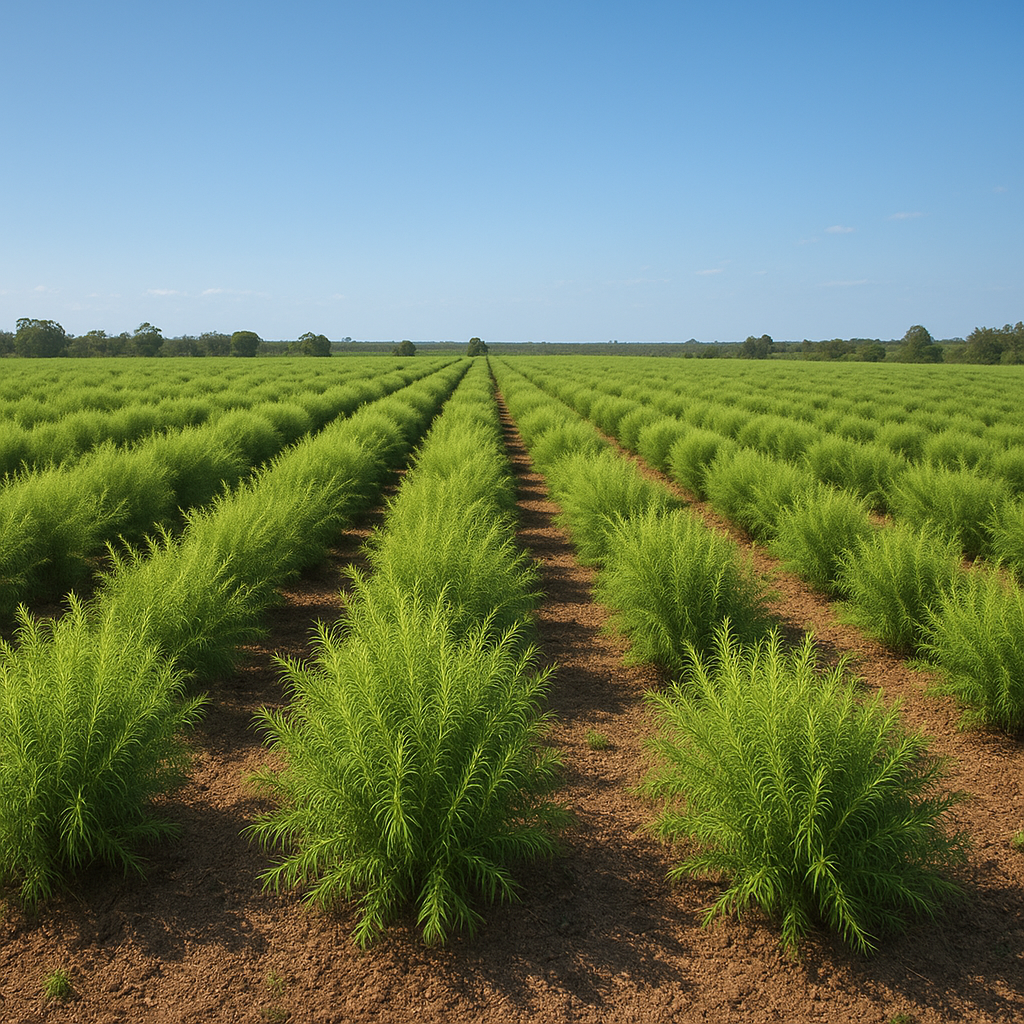
Organic cultivation relies on living soil, fertilized by natural composts and preserving biodiversity. In contrast, the conventional approach combines synthetic fertilizers and insecticide treatments, sometimes up to the harvest period. This difference is felt in the aromatic profile: an organic tea tree develops more complex, almost resinous notes, while the conventional version may appear stronger, almost sharp. In practice, the label “organic farming” on the packaging certifies a strict specification, including the total absence of genetically modified products and respect for the soil’s microbiological fauna.
Chemical analysis and purity
At the heart of the distinction is the content of terpinen-4-ol, the major compound responsible for antimicrobial activity. Gas chromatography analyses often reveal a slightly higher percentage in the organic oil, a sign of gentler extraction and a plant less chemically stressed. At the same time, traces of solvents such as ethanol or hydrocarbons, detectable as traces in some conventional batches, have no place in the organic version. This is why many practitioners recommend reviewing the precautions for use to ensure an impeccable composition.
Expected Benefits and Effectiveness
Antibacterial and Antiviral Properties
Tea tree is attributed with a broad spectrum of action against germs: studies highlight inhibition of staphylococci and certain viral strains. Whether organic or conventional, the key molecule remains the same. However, the absence of contaminants in the organic version enhances the potential for use at high concentrations, without fear of chemical residue accumulation. In practice, aromatherapy enthusiasts report faster healing and less skin tightness when opting for organic.
Studies and Feedback
Beyond laboratory tests, several university theses emphasize better skin tolerance of organic tea tree, especially for sensitive skin. More concretely, there are testimonials from users who used it daily as prevention against fungal infections or minor oral inflammations. As an illustration, an internal survey of aromatherapy practitioners reports 85% satisfaction for organic, compared to 68% for conventional, mainly related to perceived gentleness.
Safety of Use and Precautions
Cases of Sensitive Skin and Allergies
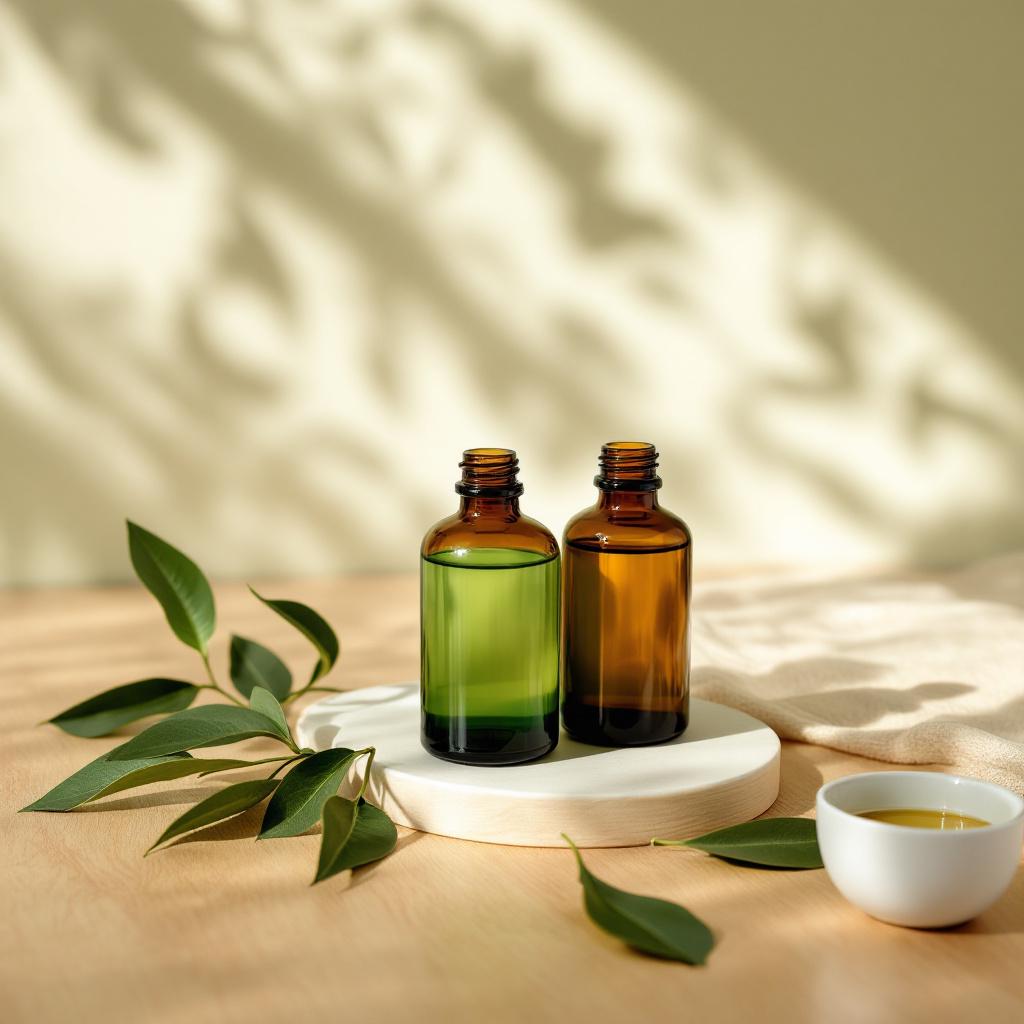
One crucial lesson from 2025 is increased vigilance regarding allergic reactions. Faced with oxidized compounds of tea tree, the risk of irritation exists regardless of the production method. Nevertheless, organic oil, often packaged in tinted glass bottles and handled in a Zero Waste environment, limits peroxide formation. To reduce any discomfort, a skin test and adding a drop to a spoonful of vegetable oil are always advised.
Interactions and Overdose
Unlike other oils, tea tree is not toxic through skin application. However, ingestion remains contraindicated except under precise therapeutic supervision. If you are undergoing dermatological treatment, always report your use of essential oils. A less known effect: in some people, repeated inhalation can trigger headaches or nausea. The dosage, organic or not, must therefore remain measured.
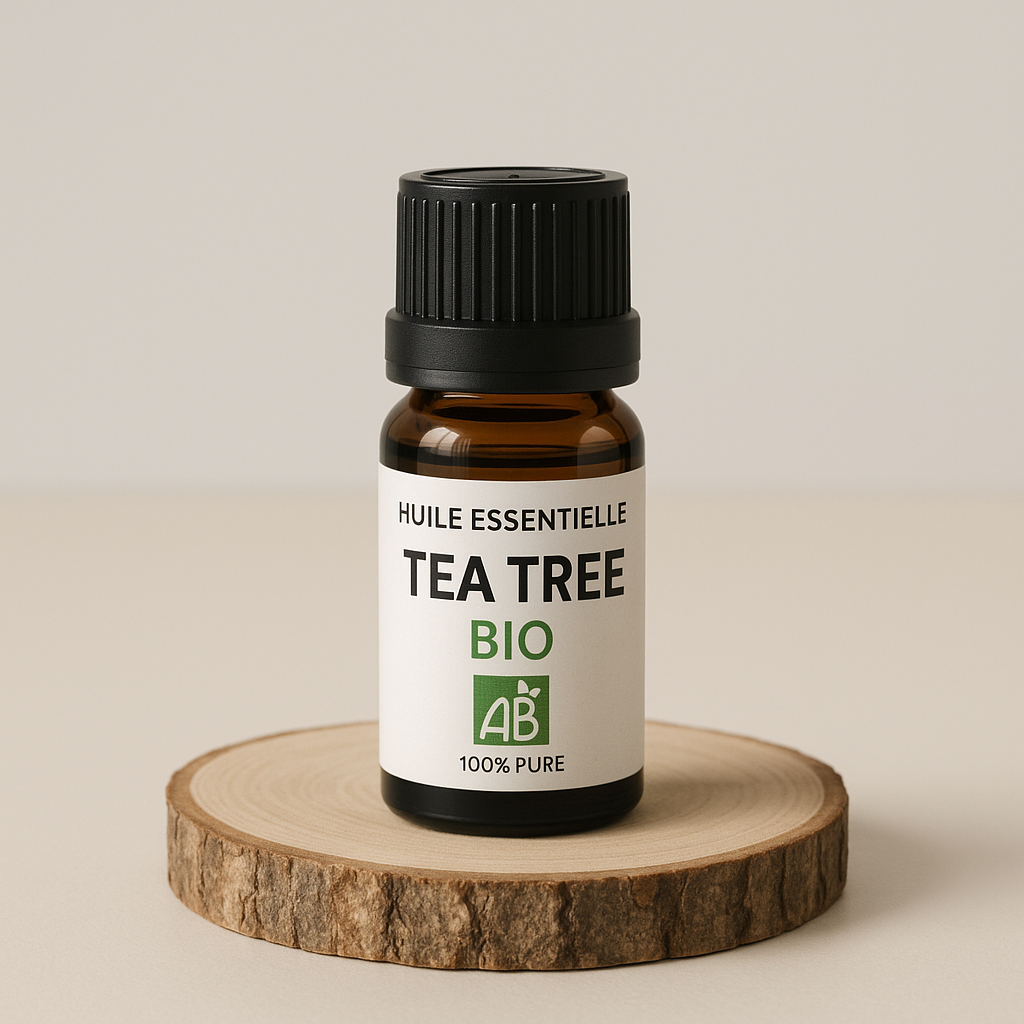
Selection Criteria for 2025
Budget and Accessibility
The price of organic tea tree remains 20% to 40% higher than that of the conventional version. Sometimes an additional delivery cost applies if the origin is distant. In pharmacies or specialty shops, however, grouped promotions or samples can be found. If your consumption remains moderate, the extra cost can be justified by the peace of mind offered. For those aiming for more occasional use, conventional oil, provided it is ISO 4730 certified, constitutes a reasonable alternative.
Environmental and Ethical Impact
Beyond composition, the organic sector is structured around eco-responsible practices: water savings, short supply chains, payment of social premiums to farmers. The conventional version, often industrialized, weighs more heavily on local biodiversity and requires intensive phytosanitary monitoring. At a time when every action for the planet is measured, the green gold of organic tea tree becomes a symbol of commitment.
FAQ
- Is organic tea tree always more effective than conventional?
- If the antiviral molecule is present in both, organic offers better tolerance and the assurance of an aromatic profile not altered by solvents.
- Can pure tea tree be used on the skin?
- No, a skin test is necessary. It is recommended to use 5% oil in a vegetable oil to avoid any irritation.
- What certification should you look for in quality tea tree?
- For organic, favor the AB or Ecocert labels. In conventional, ISO 4730 remains a reference.
- What is the environmental impact between organic and conventional?
- Organic limits the use of synthetic pesticides and encourages more sustainable practices, but may cost more for the consumer.