Nootropics fascinate as much as they worry. These substances, supposed to boost our brain capacities, are the subject of growing enthusiasm but also many legitimate questions. Between marketing promises and scientific reality, how can one navigate without falling into the traps of wild biohacking?
Sommaire
In Brief
🧠 Nootropics act through precise neurochemical mechanisms: modulation of neurotransmitters (dopamine, acetylcholine), improvement of cerebral blood flow, or optimization of neurons’ energy metabolism.
⚠️ Their safety depends on three key factors: the substance itself (natural vs synthetic), dosage, and the user’s medical history. Common side effects include headaches, insomnia, and gastrointestinal disorders.
💊 Drug interactions are the most underestimated risk: MAO inhibitors (such as in St. John’s wort) can cause dangerous serotonin syndromes with antidepressants. Always consult a pharmacist.
🌿 Natural alternatives often offer a better benefit/risk ratio: bacopa monnieri, rhodiola rosea, or ginseng have safety profiles documented by centuries of use in traditional medicine.
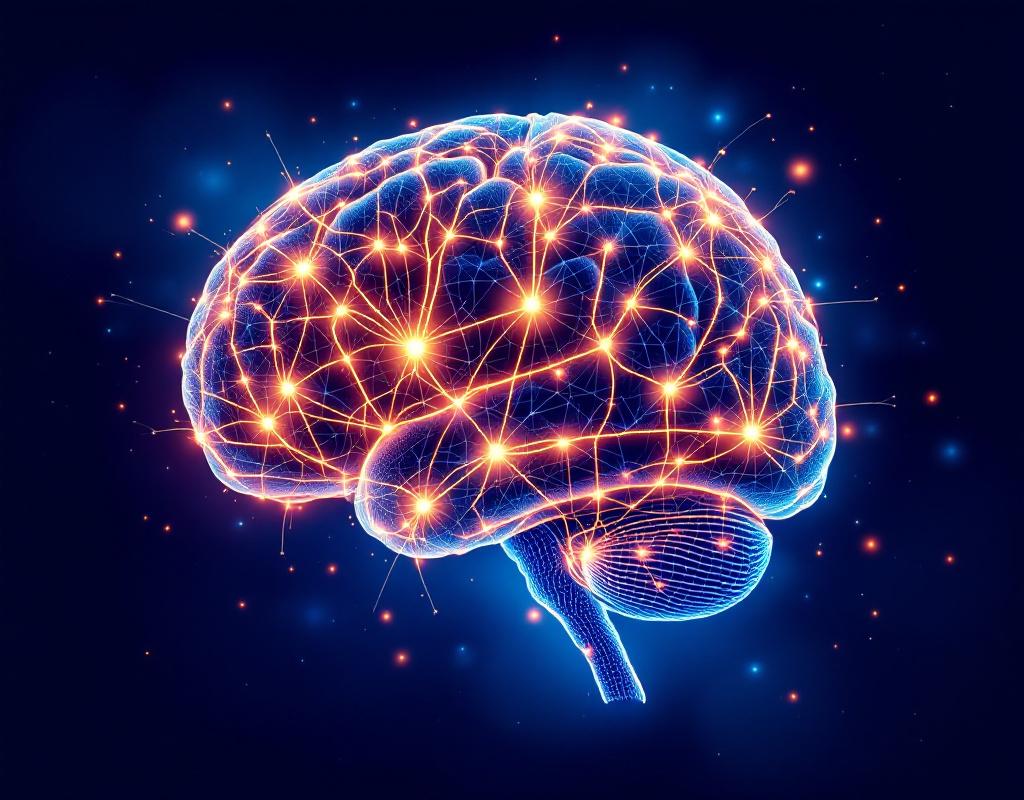
Mechanisms of action: how nootropics influence your brain
Contrary to popular belief, nootropics do not create new magical abilities. They optimize existing cognitive functions by acting on specific physiological levers. Let’s look at three dominant mechanisms:
Modulation of neurotransmitters
Racetam (a family including piracetam) increases the sensitivity of receptors to acetylcholine, a key neurotransmitter for memory. A study in the Journal of Cognitive Enhancement shows a 12% improvement in memory performance in healthy adults at moderate doses. Conversely, modafinil acts on dopamine and orexin to maintain wakefulness.
Energy optimization
Certain compounds like creatine or CoQ10 boost ATP production in neuronal mitochondria. This is particularly useful during prolonged intellectual efforts where the brain consumes up to 20% of the body’s energy.
| Substance | Main target | Cognitive effect |
|---|---|---|
| L-theanine | Brain alpha waves | Calm alertness |
| Bacopa monnieri | Neuronal protein synthesis | Memory consolidation |
| Vinpocetine | Cerebral blood circulation | Mental clarity |
Safety and side effects: a mixed landscape
The potential danger of nootropics largely depends on their origin and regulatory status. Three categories are distinguished:
Natural nootropics
Derived from medicinal plants such as ginseng or ginkgo biloba, they generally have good tolerance at traditional doses. The European pharmacopoeia recognizes ginkgo for mild cognitive disorders. But beware of overdosed extracts: at high doses, ginseng can cause tachycardia and hypertension.
Synthetic compounds
Modafinil (prescribed for narcolepsy) shows neurological side effects in 17% of cases according to the ANSM: headaches, anxiety, and addictive potential. As for methylphenidate (Ritalin), its misuse exposes users to significant cardiovascular risks without medical supervision.
- Common side effects:
- Insomnia (stimulants)
- Headaches (vasodilators)
- Gastrointestinal problems (choline)
- Absolute warning signs:
- Heart palpitations
- Severe mental confusion
- Dark urine (liver risk)
Drug interactions: the invisible minefield
This is the most underestimated danger by users. Take the example of St. John’s Wort, often used for its mild antidepressant effects: it induces liver enzymes (CYP3A4) that metabolize 50% of the drugs on the market faster, rendering contraceptive pills or anticoagulants ineffective.
“Combinations between nootropics and psychotropics require extreme caution. A patient on SSRIs who takes 5-HTP risks potentially fatal serotonin syndrome.” – Dr. Émilie Rousseau, clinical pharmacologist
Another common trap: dopamine precursors (like L-tyrosine) combined with MAOIs. This combination can cause sudden hypertensive crises. To navigate this labyrinth, tools like certain adaptogenic mushrooms offer interesting alternatives with fewer documented interactions.
Checklist of essential precautions
- Always declare your nootropics to your doctor/pharmacist
- Check interactions on reliable databases like Drugs.com
- Start with monotherapies before combinations
- Monitor especially drugs with a narrow therapeutic index (anticoagulants, antiepileptics)
FAQ: your burning questions about nootropics
Can you become dependent on nootropics?
Stimulants like modafinil or amphetamines have a real addictive potential, especially in predisposed individuals. Conversely, natural nootropics like bacopa or rhodiola have not shown dependency phenomena in clinical studies.
Are there nootropics without side effects?
No active substance is completely free of adverse effects. Even caffeine—the most consumed nootropic in the world—can cause anxiety and insomnia. The important thing is the individual benefit/risk ratio and appropriate dosage.
How long does it take to feel the effects?
Stimulants (caffeine, modafinil) act within 30 to 60 minutes. Neurotrophic substances like bacopa require 4 to 12 weeks to produce their structural effects on the brain. Vasodilators (vinpocetine) offer acute effects within 1 to 2 hours.
Are nootropics compatible with pregnancy?
Most substances are contraindicated as a precaution due to insufficient studies. Only certain nutrients like choline or omega-3 are recommended under medical supervision. Stimulants and neurotransmitter modulators are absolutely to be avoided.
How to evaluate the real effectiveness of a nootropic?
Beware of subjective testimonials. Use validated cognitive tests (such as N-back tests for working memory) before and after 30 days of use. Keep a journal of side effects. Prefer products with independent certificates of analysis (ISO 17025).