| Key points | Details to remember |
|---|---|
| 🍣 Definition | Understand the essential fatty acids responsible for health benefits. |
| 💪 Main benefits | Support cardiovascular, cognitive, and joint health. |
| 🤢 Side effects | Bloating, reflux, nausea, or diarrhea in some people. |
| 🔬 Mechanisms | Poor absorption and uneven product quality. |
| 💡 Practical advice | Split doses and combine with a meal rich in healthy fats. |
| 🌿 Alternatives | Choose omega 3 from algae or phospholipid forms. |
Omega 3s generate real enthusiasm for their anti-inflammatory virtues and their role in brain health, but for some people, they come at the cost of abdominal discomfort. Between sudden reflux and feelings of heaviness, one might think it is necessary to give up this supplementation. In reality, sometimes it is enough to adjust a few parameters to fully enjoy the benefits without discomfort.
Sommaire
Why do omega 3s trigger digestive disorders?
Quality and purity of supplements
Some supplements come from oxidized oils, poorly filtered or poorly stored: these altered compounds irritate the gastric mucosa. In truth, the label can hide rough refining and some impurities which, combined with stomach acidity, result in reflux or nausea.
Dosage and administration schedule
An excessive intake in a single dose concentrates the oil in the stomach, which unsettles digestion. Rather than swallowing 3 g at once, dividing the dose into two or three times during the day limits enzymatic saturation and spreads the lipid load to digest.
Interactions with gastric contents
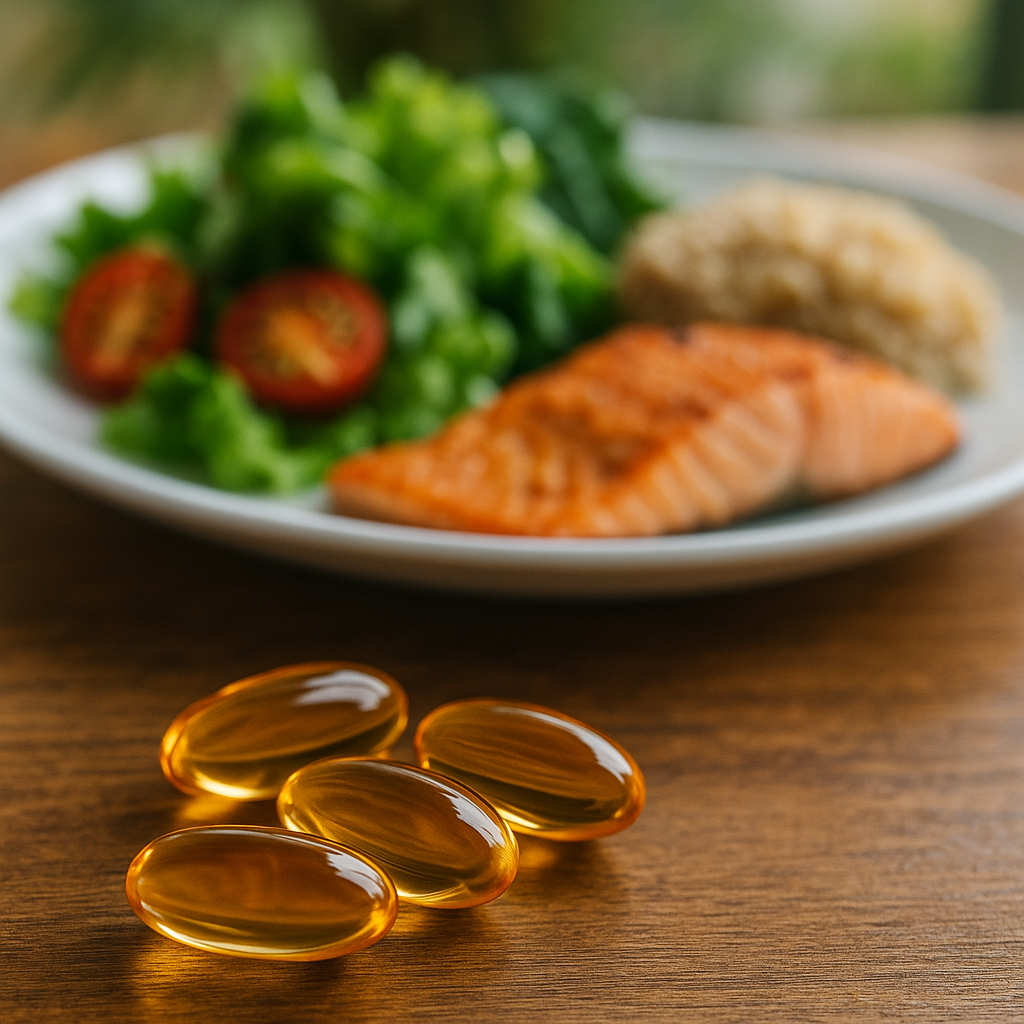
Taking an omega 3 on an empty stomach is a bit like throwing a stone into a pond: the gastric acid reacts more strongly. Conversely, combining it with a meal rich in fats (avocado, nuts) “defuses” the acid concentration and promotes the slow dispersion of the oil in the intestine.
Strategies to minimize side effects
- Split the daily dose into two intakes: morning and evening.
- Combine supplementation with a complete meal, including monounsaturated fatty acids.
- Progress gradually: start with 500 mg/day and increase over several weeks.
- Hydrate sufficiently: water facilitates the transit of oils in the digestive tract.
- Test different forms: capsules, gelcaps, liquids, or emulsions.
Alternative forms of omega 3 and tolerance
Natural triglycerides vs ethyl esters
Natural triglycerides replicate the lipid structure of fresh fish. In comparison, ethyl esters are lighter to produce but often less well absorbed. Studies suggest better digestive tolerance for reconstituted forms, provided they undergo thorough purification.
Omega 3 derived from algae
A plant-based alternative to watch: algae oil concentrates DHA and EPA without a strong marine taste. This improves digestibility, especially for people sensitive to fish reflux.
Phospholipid complexes (krill oil)
Krill oil binds omega 3 to phospholipids, which improves their dispersion in water and reduces the formation of irritating fatty droplets. Cherry on the cake, its antioxidant profile protects the oil during digestion.
Everyday tips for better tolerance
“If you feel a fishy taste in the back of your throat, place your capsule at the back of your tongue and swallow it in one go; the oil slides down faster.”
- Favor a “buffer” meal rich in fiber: cooked vegetables, quinoa, or sweet potato.
- Add a hint of ginger or turmeric to soothe the intestinal lining.
- Avoid lying down immediately after taking it to limit nighttime reflux.
- Consider dietary omega 3: sardines in oil, chia or flax seeds as supplements.
FAQ
How can I tell if my supplement is of good quality?
Check the concentration of EPA/DHA, the mention “certified free of heavy metals,” and the presence of natural antioxidants (vitamin E, tocopherols). A transparent product often indicates reliable traceability.
Is there a risk in consuming too much?
Beyond 5 g per day, prolonged bleeding time is sometimes observed. For most people, adhering to the recommended doses (1–3 g/day EPA + DHA) is more than sufficient.
Can I get enough omega 3 from diet alone?
For those who eat fatty fish several times a week and include seeds and vegetable oils, it is entirely possible to stay healthy without supplementation. However, in the case of a vegetarian diet or lower marine consumption, targeted intake becomes useful.