| Key Points | Details to Remember |
|---|---|
| 🧾 Definition | Nutrition taxation modifies prices to influence food choices |
| ⚖️ Health Issue | Sugar and ultra-processed foods worsen diabetes and obesity |
| 🌍 Foreign Models | Soda tax in Mexico reduces purchases by 12% in 2 years |
| 📉 Economic Effects | Potential gain of €17 billion/year in avoided health expenditures |
| 🛒 Major Criticisms | Risk of regressive impact on low-income households |
| 🔮 Evolution | Towards modulation based on Nutri-Score or degree of processing |
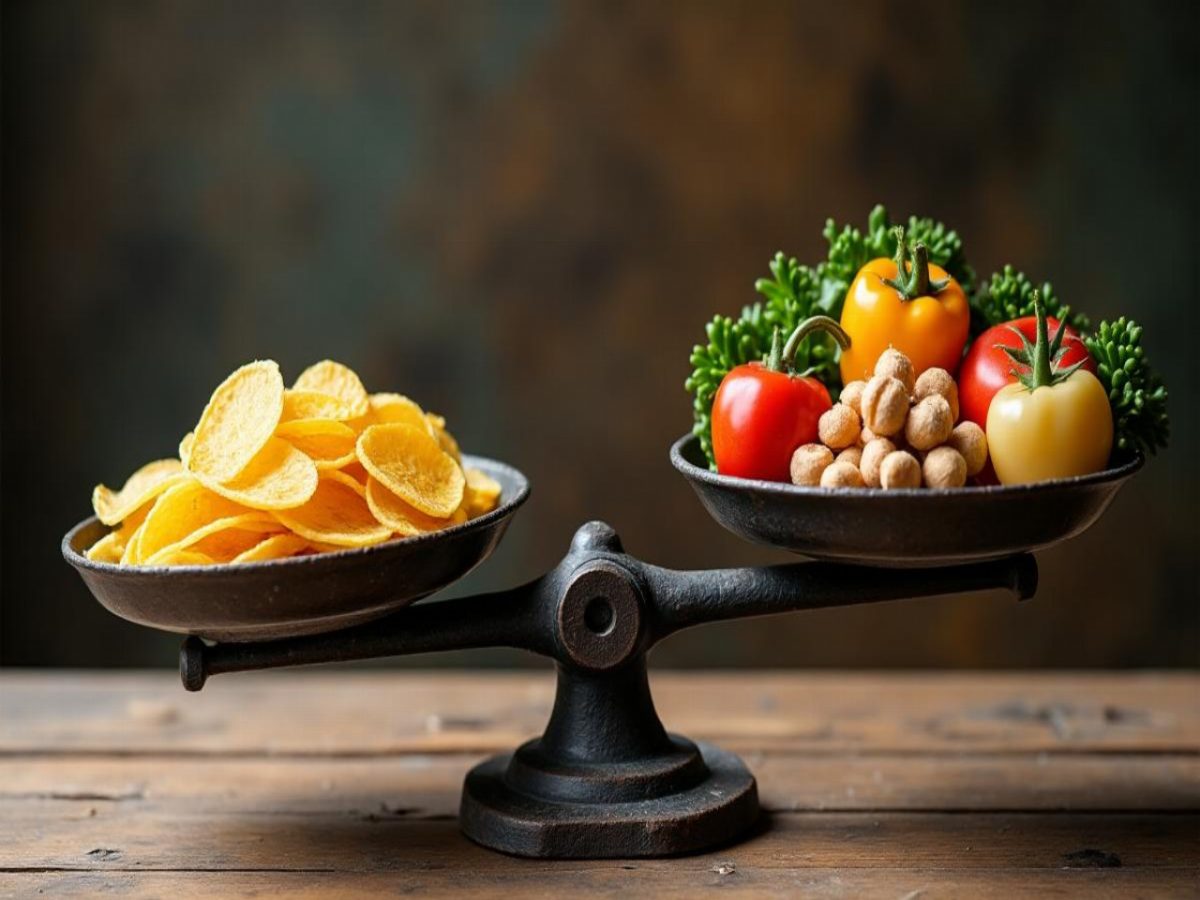
A soda can suddenly costing 20% more. Children’s cereals overtaxed according to their glucose syrup content. These scenarios are less fiction now that nutrition taxation is entering political debates. Driven by the explosion of chronic diet-related diseases – type 2 diabetes, obesity, cardiovascular diseases – this regulatory approach aims to influence our behaviors through economic leverage. But its potential refocus on two priority targets, added sugar and ultra-processed products, raises as many hopes as controversies.
Sommaire
The emergence of targeted taxation
Initially focused on sugary drinks, nutrition taxation is broadening its scope. The WHO now estimates that 39% of adults worldwide are overweight, with astronomical health costs. In France, the Court of Auditors estimates the economic burden of diabetes at 20 billion euros annually. Faced with this health tsunami, food taxes are one regulatory tool among others, but their selective application sets a precedent. Take the 2014 Mexican reform: a tax of one peso per liter on sodas led to a 7.6% consumption decrease in the first year. Yet, this approach remains fragmented given the complexity of nutritional profiles.
The emblematic case of sodas
Soda taxes have spread to 50 countries, with mixed results. Berkeley, the first American city to adopt it in 2015, observed a 21% reduction in consumption in disadvantaged neighborhoods. But a perverse effect emerges: some companies compensate by increasing bottle volume at a constant price. Taxation must therefore evolve towards more sophisticated models, such as modulation per gram of sugar, tested in the UK. This progressivity shows encouraging signs: manufacturers spontaneously reduce sugar content in their products by 28% to avoid tax thresholds.
Added sugar: the priority target
Hidden in 74% of packaged products according to a Foodwatch study, added sugar is the number one enemy. Its excessive consumption triggers a cascade of biological mechanisms: glycemic spikes, insulin resistance, chronic inflammation. Nutritionists point to a critical threshold: 25g/day maximum recommended by the WHO, versus 95g consumed on average by the French. Specific taxation proves more effective than a generalized VAT. A meta-analysis in the British Medical Journal reveals that every 10% price increase reduces consumption by 6 to 8%. The technical challenge remains: how to precisely assess added sugar, distinct from natural sugars present in fruits or dairy?
Ultra-processing: new fiscal frontier
The NOVA classification, adopted by the High Council of Public Health, distinguishes four groups of foods according to their degree of processing. Group 4 products – ultra-processed – often contain additives, hydrogenated oils, and recombined proteins. Their consumption exceeds 35% of caloric intake in Europe. These foods present a double risk: poor nutritional density and demonstrated harmful effects. A French NutriNet-Santé cohort follows 100,000 participants since 2009: each 10% increase in ultra-processed share on the plate raises overall mortality by 15%. However, taxing these products poses semantic challenges: a homemade fruit yogurt differs radically from its industrial equivalent stabilized with emulsifiers.
Practical and ethical pitfalls
Establishing equitable nutrition taxation resembles a minefield. First obstacle: the regressive risk. A CREDOC study shows that low-income households spend 35% of their food budget on targeted products. Without compensatory mechanisms, such as food vouchers for fruits/vegetables, the tax worsens nutritional inequalities. Another challenge: administrative complexity. Should it rely on Nutri-Score, criticized for excessive simplification? Or create a fiscal indicator combining added sugar, additives, and degree of processing? Belgium is currently testing a multi-criteria system that simultaneously penalizes salt, sugar, and saturated fat content.
Industrial lobbying and social acceptability
Agri-food giants deploy sophisticated influence strategies. In 2018, the French sugar sector spent 4.7 million euros on lobbying against fiscal tightening, according to the National Assembly register. Their shock argument: protecting jobs in beet-growing regions. Yet, an INRAE study shows that well-designed taxes stimulate innovation towards reformulated recipes. Citizen acceptability also varies considerably. A Public Health France barometer indicates that 61% of French support nutrition taxes if revenues finance health prevention, versus only 29% without specific allocation.
Towards European harmonization?
The current regulatory patchwork creates competition distortions. Hungary has taxed overly salty or sugary products since 2011 (called “chips tax”), while Germany remains reluctant. The European Commission is considering a common framework by 2025. Among the options:
- A single threshold of free sugars triggering taxation
- Recognition of ultra-processed status via the NOVA system
- Exemption for small artisanal businesses
The Portuguese example inspires: since 2017, its tax on sugary drinks varies progressively from €8.22 to €16.46 per hectoliter depending on sugar content, generating €80 million annually reinvested in school canteens.
What impacts on real behaviors?
Economic simulations must be confronted with real behaviors. Two phenomena emerge:
“Partial substitutability: consumers do not systematically give up, but opt for less taxed versions. A 15% drop in full-sugar soda sales is often accompanied by a 5% rise in light versions.” (Dr. Chantal Julia, epidemiologist)
Paradoxically, taxes could also reinforce social inequalities if healthy alternatives remain inaccessible. In Philadelphia, the soda tax reduced purchases in affluent neighborhoods, but not in disadvantaged areas where food supply is less diverse.
Perspectives: smart taxation
The future likely lies in a differential approach combining stick and carrot. Chile offers a living laboratory: since 2016, its system combines a tax on sugary drinks (18% for more than 6.25g sugar/100ml) and subsidies for fruits/vegetables in schools. Result: a 24% drop in taxed beverage purchases. France could draw inspiration from this dual model to build a fairer and more effective nutrition taxation. The next CAP reform post-2027 will likely integrate these mechanisms, finally pushing the agro-industry towards a profound transition.
Frequently Asked Questions
Do nutrition taxes really reduce consumption?
Yes, but with significant variations. Meta-analyses show decreases of 5 to 20% depending on products, with maximum effectiveness on sugary drinks. The impact also depends on the price elasticity specific to each food category.
How to precisely define an ultra-processed product?
The NOVA classification is based on the presence of “cosmetic” ingredients (emulsifiers, texturizers) and destructive industrial processes. The Food Observatory (Oqali) is working on an operational framework for regulation.
Is there a risk of general food inflation?
Available studies (notably in Hungary and Mexico) do not show a significant domino effect. The price increase remains confined to taxed products, without general contamination of the food basket.
Are tax revenues really reinvested in prevention?
It varies. In France, only 16% of the soda tax finances nutritional programs. Portugal and the United Kingdom are good examples with more than 80% of revenues allocated to public health.
Are nutritional taxes compatible with international trade?
Yes, under certain conditions. The WTO allows fiscal measures protecting public health if they are non-discriminatory and proportionate. Several countries (Mexico, Chile) have won disputes against multinational agri-food companies.