| Key Points | Details to Remember |
|---|---|
| 📖 Definition | Ravintsara refers to the essential oil extracted from Cinnamomum camphora, a concentrate of antiviral agents. |
| 💨 Main Benefits | Clearing of the respiratory tracts and strengthening of natural defenses. |
| 🛠️ Methods of Use | Inhalation, diffusion, and massage for targeted action. |
| ⚠️ Precautions | Respect the dosage, avoid use in pregnant women and young children. |
| 🌿 Practical Application | Possible synergy with other antiseptic or expectorant oils. |
| 🔬 Composition | 1,8-cineole, limonene, and α-terpineol are the main components. |
Ravintsara essential oil is appealing due to its ability to clear the respiratory tracts while stimulating our immunity. Derived from a laurel native to Madagascar, it concentrates antiviral and expectorant molecules. Over time, its reputation grows, both among athletes and people prone to ENT infections. This guide is intended for anyone seeking a natural and documented approach to breathe more freely.
Sommaire
Origins and Botanical Characteristics
A Malagasy Essence
Ravintsara, whose Latin name is Cinnamomum camphora cineoliferum, grows in humid tropical areas. Unlike the traditional camphor tree, its “cineole” variety concentrates a high content of 1,8-cineole, a key molecule for the expectorant effect. The leaves, hand-harvested before distillation, yield a clear, fresh, slightly camphoraceous oil.
Biochemical Profile
It contains up to 60 % of 1,8-cineole, combined with a variable percentage of limonene and α-terpineol. This combination provides both a powerful antiviral action and the ability to thin bronchial secretions. According to a study published by the International Journal of Aromatherapy, these compounds act synergistically to reduce viral load and improve expectoration.
Respiratory Benefits
Antiviral and Antibacterial Action
Ravintsara is useful during cold seasons when rhinopharyngitis and bronchitis spread. In continuous diffusion, it modulates air quality and can reduce the presence of germs. An arrangement of aromatic speakers or an ultrasonic diffuser proves ideal to benefit from this cleansing effect.
Expectorant and Decongestant Effect
Inhalation of Ravintsara activates the secretory glands, facilitating the evacuation of mucus. When massaged on the chest, the sensation of bronchial clearing is often felt within a few minutes. This oil also works by stimulating mucociliary resistance, a natural mechanism that protects the respiratory mucous membranes.
How to Use It Effectively ?
Steam Inhalation
Pour 2 drops of Ravintsara into a bowl of hot water, cover your head with a towel, and breathe calmly for 5 to 10 minutes. The hot-cold contrast frees the bronchi and warms the airways. This method is often complemented by a thyme broth to strengthen the immune action.
Chest Massage
For topical application, prepare a 5 % essential oil blend in a neutral vegetable oil (sweet almond, jojoba). Perform circular movements on the sternum and ribs, not forgetting the upper back. This gentle gesture relieves the feeling of tightness and promotes respiratory drainage.
Ambient Diffusion
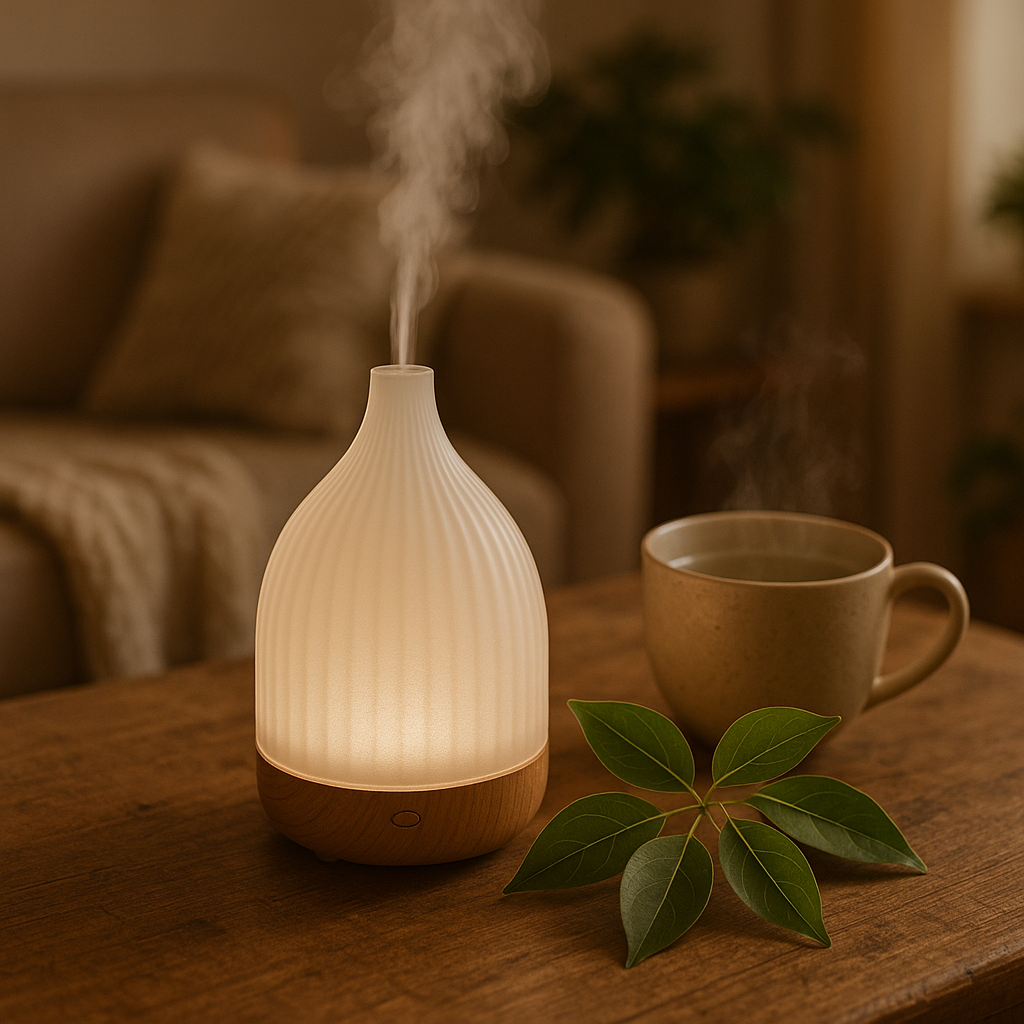
With intermittent diffusion (5 minutes per hour), the oil spreads throughout the living space. It cleans the air of pathogens while limiting olfactory fatigue. However, avoid continuous diffusion over 30 minutes to protect the respiratory system.
Concentration and Dilution Table
| Use | Dosage |
|---|---|
| Steam inhalation | 2 drops in 250 ml of water |
| Adult massage | 5 % or 10 drops in 5 ml vegetable oil |
| Diffusion | 3–5 drops in diffuser |
| Child (> 6 years) | 2 %: 4 drops in 10 ml vegetable oil |
Precautions for Use
Doses and Contraindications
Pure, Ravintsara can irritate sensitive skin. Infants, pregnant women, and epileptics should abstain. Respect the recommended percentages: never more than 5 % for topical application in adults. In case of doubt, consult a healthcare professional.
“Oils rich in 1,8-cineole are particularly effective for clearing the respiratory tract, provided they are used in moderation.” – Dr. L. Beaufort, CIFRA.
FAQ about Ravintsara Essential Oil
Can I mix Ravintsara with other essential oils ?
Yes, it blends well with niaouli, radiata eucalyptus, or tea tree. These synergies enhance the antiviral effect and improve the fluidity of the respiratory tract.
Which diffuser should I choose ?
An ultrasonic model without heating preserves the molecular structure of the oil. Nebulizer devices are suitable for occasional use of 10 to 15 minutes, while gentle ventilation diffusers offer a softer diffusion.
How long does the aroma last ?
In diffusion, the scent remains perceptible between 30 and 60 minutes. During a massage, the olfactory effect lasts up to two hours, depending on the quality of the oil.
Is there a risk of photosensitization ?
No, Ravintsara is not phototoxic. It can be used during the day without fear of skin spots caused by the sun.
How to store the essential oil ?
Store in a tinted bottle, away from light and heat. Stability remains optimal for 2 to 3 years, depending on the freshness of the batch.