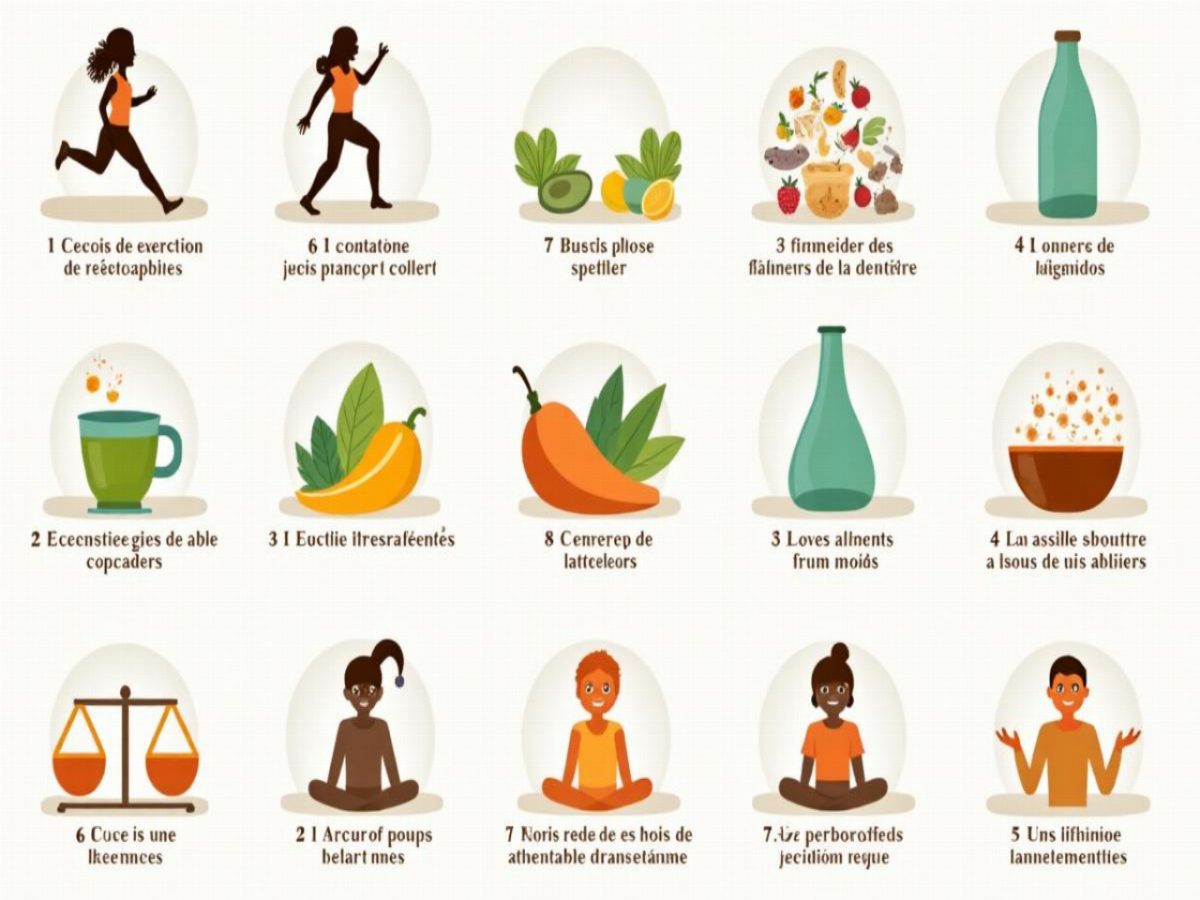
| Key Points | Details to Remember |
|---|---|
| 📈 Definition of Metabolism | Understand the process of energy transformation |
| 🥩 Protein Intake | Increase the share of quality proteins |
| 🏋️ Physical Activity | Incorporate varied and regular athletes |
| 😴 Sleep Quality | Optimize nighttime recovery |
| 💧 Hydration | Maintain a constant water intake |
| 🌶️ Thermogenic Effect | Use spices to stimulate metabolism |
When following a diet, the challenge is not just to reduce calories: you also need to maintain an active metabolism to avoid the infamous plateau. Without an efficient energy-burning system, your body risks drawing more from your reserves than it burns. This quick guide offers you 10 concrete and immediately applicable tips to maintain or increase your energy expenditure. On the menu: nutrition, training, lifestyle, and some subtle daily adjustments.
Sommaire
The 10 Essential Tips to Boost Your Metabolism
1. Increase Protein Intake
Proteins require more energy to digest than carbohydrates or fats: this thermal effect naturally promotes calorie expenditure. By adding 20 to 30 g of protein to each meal (eggs, poultry, legumes), you stimulate your post-meal metabolism. Additionally, the feeling of fullness lasts longer, which prevents unproductive snacking. Be sure to vary your sources (fatty fish, tofu, Greek yogurt) to cover all essential amino acids.
2. Optimize Macronutrient Distribution
Beyond total calories, the balance between carbohydrates, fats, and proteins directly impacts your metabolism. A classic ratio might be around 40% carbohydrates, 30% proteins, 30% fats, but every body is unique: don’t hesitate to adjust according to your carbohydrate tolerance or fatty acid needs. Consider complex carbohydrates (oats, sweet potato) for a gradual energy supply and good fats (avocado, nuts) to support hormone production.
3. Smartly Split Your Meals
Rather than going 6 hours without eating then consuming 1,000 kcal in a single meal, spread your calories over 4 to 6 moderate food intakes. This method avoids glycemic spikes and maintains a stable insulin level, which preserves your body’s ability to draw from fats rather than available carbohydrates. All this without overloading your digestive system.
4. Practice High-Intensity Workouts
HIIT (High-Intensity Interval Training) remains one of the most effective ways to trigger an “afterburn” effect (EPOC). For example, 15 minutes of interval sprints can generate prolonged calorie expenditure several hours after exercise. Complement this with a classic strength training session to increase lean mass, the true engine of your basal metabolism.
5. Vary Exercises and Engage Different Muscles
Regularly changing your routine prevents your body from getting used to a single pattern. By combining cardio, muscle strengthening, functional exercises, and stretching, you engage more muscle fibers and maximize energy expenditure. This principle of variation forces your body to adapt and pushes back plateaus.

6. Prioritize Sleep Quality
Interrupted or too short sleep disrupts the secretion of leptin and ghrelin, appetite-regulating hormones, and slows the hormonal synthesis necessary for muscle repair. Aim for 7 to 8 uninterrupted hours in a quiet, dark room. Better nighttime recovery translates into a more responsive metabolism from the morning.
7. Stay Hydrated in All Circumstances
Every biochemical reaction, including lipolysis, requires water. A slight state of dehydration can lower your basal energy expenditure. Drink regularly, even if you’re not thirsty, favoring pure water and unsweetened infusions. Enjoy a glass of fresh water before meals to improve satiety and slightly stimulate metabolism.
8. Exploit the Thermogenic Effect of Spices
Chili, ginger, or cinnamon can slightly increase body heat and thus calorie expenditure. Sprinkle them on your dishes day after day to benefit from this advantage without dedicating more than 10 extra kcal: a small cumulative plus that contributes to metabolic performance.
9. Incorporate Active Walking Daily
Instead of sitting for several hours, plan short walking sessions every hour: 5 minutes is enough to reactivate blood circulation and mitochondrial function. If you choose a sit-stand desk, vary positions. You will multiply micro energy expenditures without thinking about it.
10. Manage Stress to Limit Cortisol Secretion
Chronic stress causes excessive cortisol production, a hormone that promotes fat storage in the abdominal area and can slow lipolysis. Integrate breathing techniques, meditation, or some gentle yoga sessions to restore hormonal balance and maintain an active metabolism daily.
FAQ
1. Why does my metabolism slow down on a diet?
By reducing calories too abruptly, your body adopts a “conservation” mode to protect its reserves. This is a survival mechanism inherited from our ancestors and results in a temporary drop in basal metabolism.
2. Do dietary supplements really help?
Some formulations (green tea, caffeine, L-carnitine) can provide a modest boost. However, they do not replace a solid foundation: balanced nutrition, physical activity, and quality sleep remain priorities.
3. How often should I readjust my macros?
Checking every 2 to 4 weeks allows you to monitor weight and body composition changes. Adjust your intake based on weight loss and your energy feeling.
4. How do I know if I am sufficiently hydrated?
Beyond urine color (pale yellow), assess your urinary frequency: 5 to 7 bathroom visits per day generally indicate sufficient hydration.
5. What is the best method to reduce stress?
Everyone finds their balance between deep breathing, walking in nature, meditation, or simply a reading moment. The important thing is to create a regular ritual to avoid the buildup of tension.