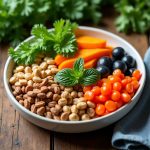
Omega-3s are often touted as a panacea for cardiovascular and brain health. However, depending on whether they come from fish, algae, or seeds, their impact can vary. This article delves into the core differences between plant-based and animal-derived omega-3s, examines their strengths and limitations, and offers some guidelines to help you make your choice.
Sommaire
Understanding Omega-3s
The Different Types of Omega-3
There are three essential fatty acids belonging to the omega-3 family: ALA (alpha-linolenic acid), EPA (eicosapentaenoic acid), and DHA (docosahexaenoic acid). ALA, found in plants, is a precursor that the body can, to some extent, convert into EPA and DHA. In contrast, animal sources provide these last two forms directly, which are considered more physiologically active.
Functions and Benefits
Omega-3s play a role in modulating inflammation, the fluidity of cell membranes, and neuronal signaling. They also participate in regulating blood pressure, lipid metabolism, and maintaining cognitive function. However, not all omega-3s are equal: EPA and DHA are more directly involved in these mechanisms, whereas ALA requires internal conversion that is often limited.
Animal Sources of Omega-3
Fatty Fish
Salmons, sardines, mackerels, and herrings concentrate EPA and DHA in a form that is easily assimilated. In a typical Mediterranean diet, two servings of fatty fish per week more than cover the recommended needs. But beware: quality depends on water pollution and origin (farmed or wild-caught).
Krill Oil
Extracted from small crustaceans, krill oil is rich in phospholipids, which seem to promote the absorption of omega-3s into cell membranes. Although quite costly, it is often presented as more stable against oxidation than regular fish oil.
Plant Sources of Omega-3
Algae and Microalgae
Leading the alternatives, certain microalgae produce DHA directly and sometimes EPA. Besides an interesting nutritional profile, they avoid any risk of contamination by heavy metals. For vegetarians and vegans, algae oil-based supplements now represent a reliable solution.
Seeds and Vegetable Oils
Flax, chia, and hemp seeds are packed with ALA, as are the oils extracted from them. However, the conversion rate of ALA to EPA/DHA ranges between 5% and 15% for EPA, and less than 1% for DHA depending on individuals. Therefore, it is necessary to compensate with a substantial intake or optimize metabolism, for example by limiting excessive omega-6s.
Bioavailability and Conversion
Conversion Efficiency
Several studies show that a diet rich in omega-6 (found in sunflower, corn oils, etc.) can hinder the transformation of ALA into EPA/DHA. In practice, this means that an exclusively plant-based intake may not suffice if the overall balance of dietary fats is not monitored.
Factors Influencing Absorption
- Age and genetics: some people convert ALA better than others.
- Antioxidant status: vitamins E and C protect omega-3s from oxidation.
- Type of fat consumed at the same time: a meal too rich in saturated fats can reduce absorption.
Advantages and Limitations
Animal Omega-3s: Strengths and Precautions
They offer a direct and measurable supply of EPA and DHA, with a rapid impact on inflammatory markers. However, the risk of pollutants (PCBs, dioxins, mercury) and overfishing issues encourage choosing sustainable labels (MSC, ASC) and varying sources.
Plant Omega-3s: Strengths and Precautions
Algae or flax oil has the advantage of a shorter supply chain and often a smaller ecological footprint. However, without monitoring total intake and without a strategy to optimize ALA conversion, there is a risk of lacking DHA, essential for the brain and retina.
Practical Comparison
| Criterion | Fatty Fish | Krill Oil | Algae Oil | Flaxseed Oil |
|---|---|---|---|---|
| EPA (mg/100 g) | 700–1,200 | 450–650 | variable (often richer in DHA) | absent |
| DHA (mg/100 g) | 800–1,500 | 300–500 | 400–700 | absent |
| Oxidation Stability | moderate | good | good | low (requires refrigeration) |
| Risk of Pollutants | possible | low | none | none |
How to Choose?
In summary, one might think that plant-based sources are always enough, but in reality, it all depends on your profile and eating habits. To help decide:
- If you are omnivorous and have no contraindications, two servings of fatty fish per week remain the simplest solution.
- In case of a vegetarian or vegan diet, favor a standardized algae oil in DHA/EPA and monitor your omega-6/omega-3 ratio.
- If you watch your budget, flaxseed oils and chia seeds can supplement a reduced intake, but ensure a balanced intake throughout the day.
- Consider quality labels (organic, solvent-free, heavy metal-free).
“Beyond the dosage, it is the overall balance of dietary fats that will determine the effectiveness of omega-3s,” reminds Dr. Dupont, nutritionist.
FAQ
1. What is the difference between ALA, EPA, and DHA?
ALA, found in plants, serves as a precursor. EPA and DHA, mainly from animal sources or microalgae, act directly on inflammation and brain function.
2. How much omega-3 should be consumed daily?
Recommendations generally target 250–500 mg of EPA+DHA in total, or 1,000 mg of ALA if you opt for plant sources alone.
3. Are plant-based supplements as effective?
Algae oils provide DHA and often EPA, so yes. Flaxseed oils contain only ALA, whose conversion remains limited.
4. Omega-3 and pregnancy: what advice?
DHA is crucial for fetal development. Algae sources represent a safe alternative to fatty fish, often discouraged due to pollutant concerns.
5. Are there any drug interactions?
At high doses (> 3 g/day), omega-3s can thin the blood. If you take anticoagulants, consult your doctor before any supplementation.