| Key Points | Details to Remember |
|---|---|
| 🌾 Definition of Psyllium | Soluble fibers derived from Plantago ovata seeds |
| 💧 Mechanism | Gelation and water absorption in the intestine |
| 🔍 Effect on Diarrhea | Slowing of transit and moderate stool consistency |
| 📏 Dosage | 5 to 10 g per day, divided into doses |
| ⚠️ Precautions | Adequate hydration and medical supervision |
| 👍 Benefits | Intestinal support, natural and non-addictive |
| 🔄 Alternatives | Probiotics, oral rehydration, adapted diet |
Psyllium is sometimes associated with constipation, but its gelling power also makes it an ally in managing diarrhea. By exploring more precisely its properties and mode of action, we understand how these soluble fibers can modulate transit, while highlighting best practices to avoid side effects and imbalances.
Sommaire
What is Psyllium?
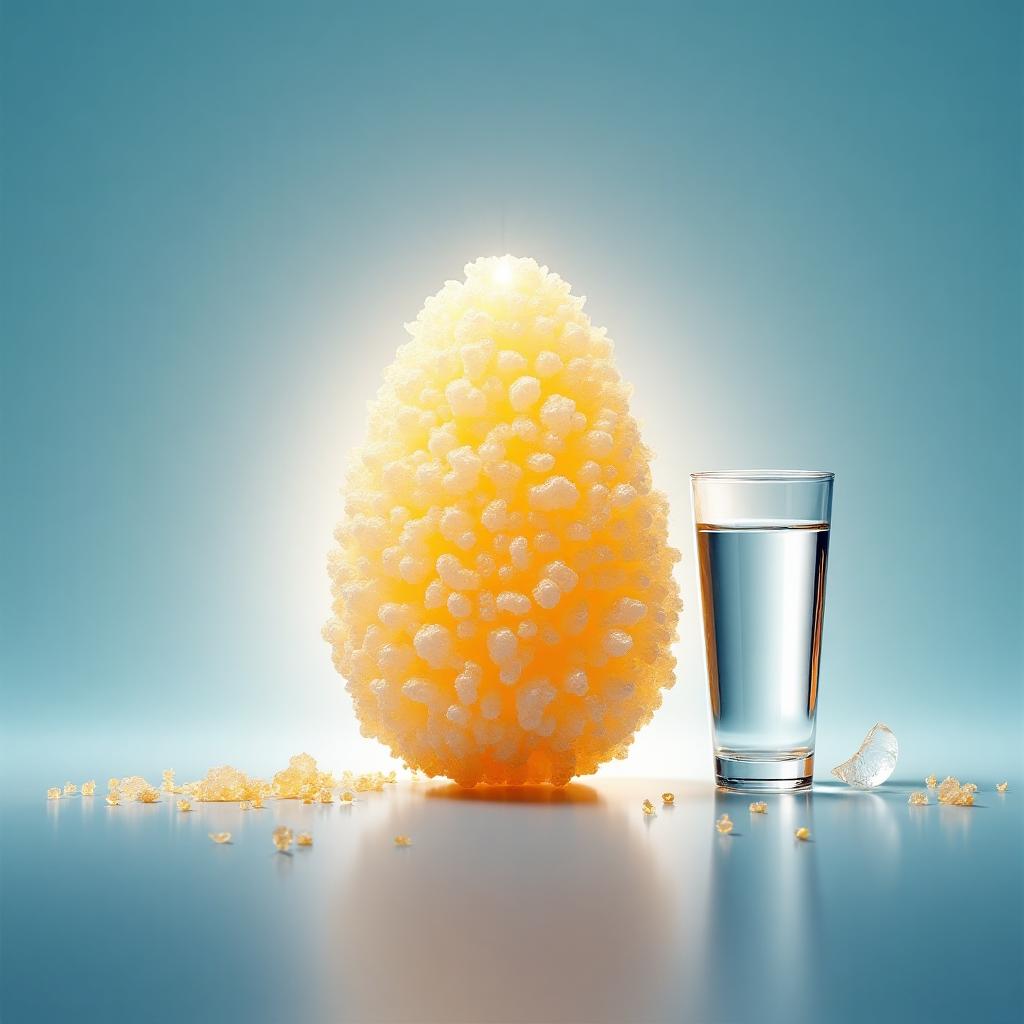
Derived mainly from the seeds of Plantago ovata, psyllium consists of mucilaginous fibers capable of retaining up to ten times their weight in water. This characteristic gives it a gel-like texture once hydrated, which acts as a natural buffer in the digestive tract. It is available in powder, capsules, or granules form, and is valued for its gentle action on regulating transit.
How Does Psyllium Act on Diarrhea?
Action of Psyllium on Stool Consistency
Contrary to popular belief, fibers can slow diarrhea rather than worsen it. By swelling, the polysaccharides in psyllium help increase the viscosity of intestinal contents. The stools, initially too liquid, acquire a thicker texture. The flow changes from rapid and uncontrolled to slower and more regulated transit, which limits the risk of rapid dehydration.
Gelation and Water Absorption Mechanism
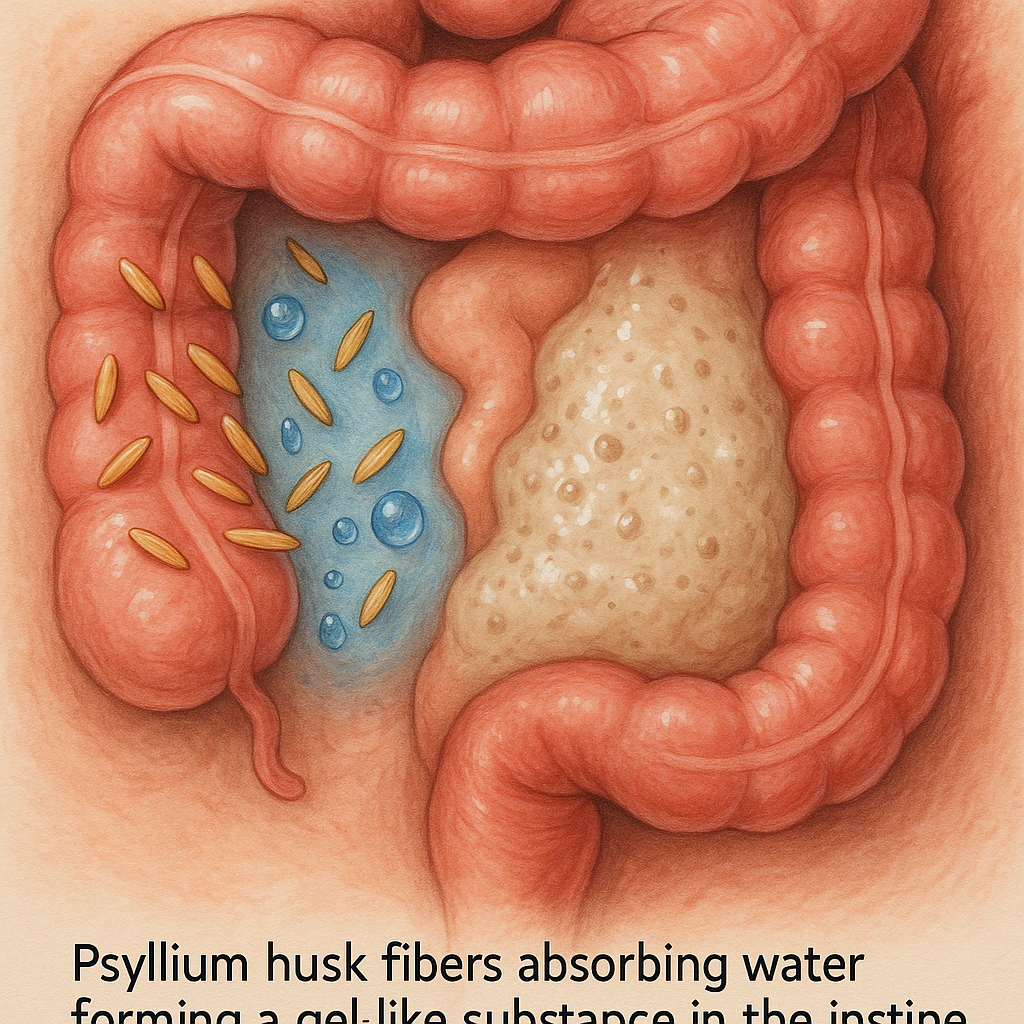
In the presence of water, the outer husk of psyllium releases a mucilage that traps liquids and forms a viscous gel. This gelled matrix acts as a barrier, slowing the progression of chyme and promoting water reabsorption at the intestinal level. Result: excess moisture in the stools is limited, while restoring a more stable water balance.
Causes of Diarrhea and the Role of Psyllium
Diarrheal episodes occur for multiple reasons: viral infections, imbalance of the flora, food intolerances, stress, or antibiotic dosages. In these contexts, the intestinal mucosa becomes saturated and unable to regulate water. Psyllium, far from adding an irritating load, acts as a mechanical buffer. By gelling, it reduces the impact of pathogenic germs and provides support to epithelial cells to better absorb water.
Recommended Dosage and Methods of Administration
Different Forms of Psyllium
Psyllium powder is diluted in a glass of water or juice, while capsules are preferred for their convenience during travel. The granules simply require a bit of chewing before being swallowed with a large amount of water. Each form has a similar onset time, but it is mainly the regularity of intake that will make the difference.
Timing and Precautions
- Take psyllium 15 minutes before a meal or at least 1 hour after to avoid disrupting medication absorption.
- Start with 5 g per day, divided into two doses, then gradually adjust up to 10 g if necessary.
- Drink at least 1.5 L of water per day to prevent the formation of plugs or the sensation of bloating.
- Consult a healthcare professional in case of persistent abdominal pain or presence of blood in the stools.
Advantages and Limits of Using Psyllium
In addition to normalizing stool consistency, psyllium supports the intestinal mucosa by promoting the growth of good bacteria. It can reduce local inflammation and improve the epithelial barrier. However, this ally is not a cure-all: care should be taken not to exceed the recommended doses to avoid flatulence, cramps, or intestinal obstruction in at-risk individuals.
Other Complementary Solutions to Consider
While psyllium provides an effective foundation, taking probiotics (Lactobacillus rhamnosus, Saccharomyces boulardii) proves to be a logical complement to restore the flora. Oral rehydration, with a solution adapted in mineral salts and carbohydrates, remains essential to prevent dehydration. Finally, adapting one’s diet (rice, cooked carrots, applesauce) helps limit mucosal irritation and support recovery.
FAQ
- Can psyllium worsen diarrhea at the beginning?
- A gradual adjustment of the dosage helps limit possible cramps or discomfort during the first intakes.
- What is the difference between blond psyllium and brown psyllium?
- Blond psyllium is known for a finer texture and better tolerance, while brown psyllium contains slightly tougher fibers.
- Can psyllium be combined with anti-diarrheal medications?
- To avoid interference, space the intake of psyllium by one to two hours from any medication treatment.
- What duration of treatment is recommended?
- Generally, a 7 to 10-day course is sufficient to observe a significant effect, but medical follow-up is advised beyond that.