
| Key Points | Details to Remember |
|---|---|
| 🍺 Definition | Immune reaction to brewer’s yeast |
| 🍽 Causes | Genetic predispositions or repeated exposure |
| 🤧 Symptoms | Dermatological, respiratory, and digestive |
| 🥗 Dietary alternatives | Nutritional yeast without problematic proteins |
| 🥘 Cooking substitutes | Starters, miso or tamari for umami |
| 💡 Practical tips | Careful reading of labels and homemade cooking |
Discovering an allergy to brewer’s yeast can come as a thunderbolt for those who love breads, craft beers, and seasonings rich in umami. In truth, this sensitivity is a warning message sent by our immune system. Exploring alternative solutions then becomes essential: whether it’s to spice dishes safely or to maintain a varied taste palette. Here is a comprehensive overview to prevent reactions and create tasty meals without brewer’s yeast.
Sommaire
Understanding Brewer’s Yeast Allergy
Immune Mechanisms and Reactions
When we talk about allergies, we often imagine a pollen blister or a hives outbreak upon contact with an animal. However, brewer’s yeast (Saccharomyces cerevisiae) sometimes triggers a series of reactions in some people. Without acquired tolerance, the immune system classifies the proteins of this yeast as invaders. The result: histamine release and a cascade of inflammations that manifest as a wide range of symptoms.
Common Symptoms and Differential Diagnosis
Rather than a single manifestation, a combination is often observed:
- Skin rash or localized itching;
- Respiratory discomfort, stuffy nose, or dry cough;
- Bloating, cramps, and diarrhea in digestive cases.
In many situations, food intolerance (idiosyncrasy) or co-sensitization to other fungi must be ruled out. The skin prick test and blood test (specific IgE measurement) provide formal confirmation.
Dietary Alternatives to Brewer’s Yeast
Nutritional yeast without problematic proteins
Nutritional yeast, often presented in flakes, generally contains fewer intact proteins than active brewer’s yeast. It releases that “cheesy” aroma that vegans love so much. However, it remains essential to choose a filtered and tested version without traces of Saccharomyces cerevisiae. Specifically, hypoallergenic certified brands can be found in health food stores, often accompanied by an analytical sheet indicating the absence of protein contaminants.
Other sources of B vitamins
One of the advantages of brewer’s yeast remains its supply of B vitamins. To compensate, one turns to:
- Sunflower seeds : rich in B1 and magnesium;
- Dried seaweed : nori or wakame, a source of plant-based B12;
- Legumes : lentils and chickpeas are full of B6.
These alternatives will not perfectly replace the nutritional profile of yeast, but they largely cover daily needs.
Cooking substitutes to replace brewer’s yeast
Umami extracts and condiments
When the desire for “umami” arises, rice miso or tamari (a wheat-free fermented soy sauce) bring depth of flavor without resorting to yeast. A simple drizzle of tamari on sautéed vegetables or a broth enhanced with miso can change everything.
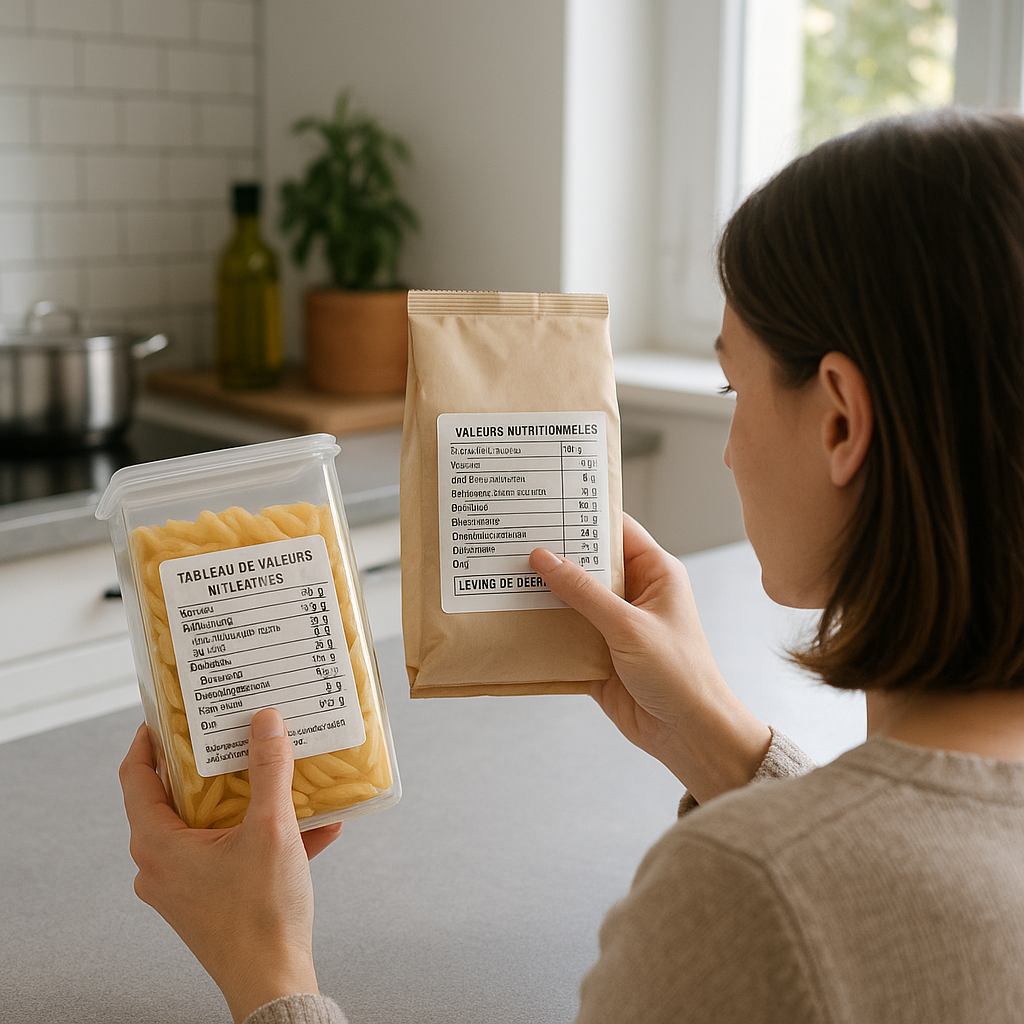
Generation prompt: “Realistic illustration of a person examining nutritional labels to avoid brewer’s yeast, bright modern kitchen atmosphere.”
Adapted sourdoughs and ferments
For bread, natural sourdough bread remains the best option. The lactic fermentation process drastically reduces the presence of proteins likely to trigger an allergy. Some bakers even use rice or buckwheat sourdough, offering a slightly tangy flavor palette and no risk for sensitive individuals.
Practical advice for daily life
Careful reading of labels
The slightest mention of “yeast extract” or “natural flavor” should raise suspicion. Rather than being caught off guard in the aisle, get into the habit of dissecting the ingredient list before each purchase, and favor products with short formulations (less than five ingredients).
Preparation techniques and substitution tips
In cooking, you can:
- Reduce the amount of “cheesy” spices by replacing them with smoked paprika;
- Opt for homemade broths based on caramelized vegetables (onions, carrots);
- Add a splash of lemon juice to enhance flavor without resorting to glutamate.
Frequently Asked Questions
How to distinguish between allergy and intolerance to brewer’s yeast?
Allergy and intolerance differ by their mechanism: allergy involves an immune disorder with IgE production, whereas intolerance results from an enzymatic deficiency. Symptoms may overlap, but blood tests and skin tests clarify the diagnosis.
Are there beers without yeast?
No, beer fermentation necessarily involves a fermenting agent. However, some pasteurized or filtered beers to the point of removing most yeast particles may be suitable for very sensitive people, after testing and medical advice.
Can baker’s yeast trigger the same reaction?
Yes. Baker’s yeast and brewer’s yeast belong to the same family (Saccharomyces). An allergy to one generally manifests for the other, hence the need to consider total avoidance.
What alternatives are there in artisanal bakery?
Besides natural sourdough, some artisans offer poolish breads without yeast, fermented longer to achieve that alveolar crumb. You just need to ask and explain your sensitivity.