
| Key Points | Details to Remember |
|---|---|
| 🌱 Definition | Blue-green microalgae rich in proteins and nutrients |
| ✨ Benefits | Immune strengthening and vitality improvement |
| ⚠️ Itching | Impurities or histamine reaction |
| 🔬 Allergy | Hives and validated skin tests |
| 💊 Overdose | Excess of iron or phycocyanin |
| 🎯 Prevention | Certified source and dosage compliance |
Spirulina is often associated with an almost magical superfood, packed with proteins and antioxidant pigments. However, some users report itching or surprising skin reactions. Should one fear an allergy, a simple overdose, or is it sometimes the product quality that causes trouble? Let’s examine these hypotheses to understand the mechanisms involved and learn how to get the best from this microalgae without unpleasant surprises.
Sommaire
When Spirulina Triggers Itching
Sometimes, one may feel a slight tingling or itching after starting spirulina. This sensation does not necessarily indicate a severe allergy; several factors can be involved.
Impurities or Contamination
Spirulina draws from its aquatic environment. If the cultivation is not controlled, heavy metals or micropollutants may be present. These impurities act as irritants, causing itching in areas where blood concentration suddenly rises. In practice, a non-certified or poorly filtered product more often explains these tingling sensations than the spirulina itself.
Histamine Reaction
Spirulina naturally contains phycocyanin and histamine. In some particularly sensitive individuals, histamine release can cause redness accompanied by itching, somewhat like a mild hives outbreak. Nothing alarming if it remains localized and temporary, but it is better to adjust the intake to prevent it from worsening.
Spirulina Allergy: Signs and Diagnosis
If the itching persists or intensifies, an allergic background is considered. The immune system then takes spirulina for an enemy and releases inflammatory mediators.
Symptoms to Watch For
Beyond simple itching, an allergy often manifests as:
- Generalized hives or localized raised redness;
- Swelling of the lips, face, or throat;
- Respiratory discomfort, wheezing, or dry cough.
If several signs combine, a prompt consultation is essential: one does not joke with angioedema.
Tests and confirmation
The dermatologist can perform a skin test (prick test) or measure specific IgE to spirulina. In most cases, the result allows to rule out or confirm sensitivity. Depending on the severity, a complete cessation of the supplement or prescription antihistamine treatments will be prescribed.
Spirulina overdose: the excess that spoils everything
It’s all a matter of dosage. Even a healthy food can become problematic if consumed without moderation.
Recommended dosage
Most studies suggest a range of 2 to 6 g per day for a healthy adult. Beyond that, the body may struggle to metabolize certain components, notably iron and phycocyanin, which can cause digestive or skin disorders.
Symptoms of excess
An excessively high intake generally results in:
- Bloating, diarrhea, or abdominal cramps;
- Metallic taste in the mouth;
- Temporary red spots under the skin.
While an overdose is not life-threatening, it creates avoidable discomfort by simply adjusting the daily amount.
Practical advice to limit side effects
Some habits allow you to fully benefit from spirulina without putting the body under strain.
- Choose a reliable source : pay attention to organic certifications, heavy metal analyses, and expert reviews.
- Respect a gradual step-up : start with 1 g per day, then increase gradually over several weeks.
- Monitor interactions : indeed, the combination of spirulina and certain multivitamin supplements can, in some people, intensify fatigue rather than relieve it.
- Stay well hydrated : drink 1.5 to 2 L of water to help the kidney filter eliminate excesses.
- Adapt the intake : prefer the powder diluted in fruit juice or a smoothie to facilitate absorption.
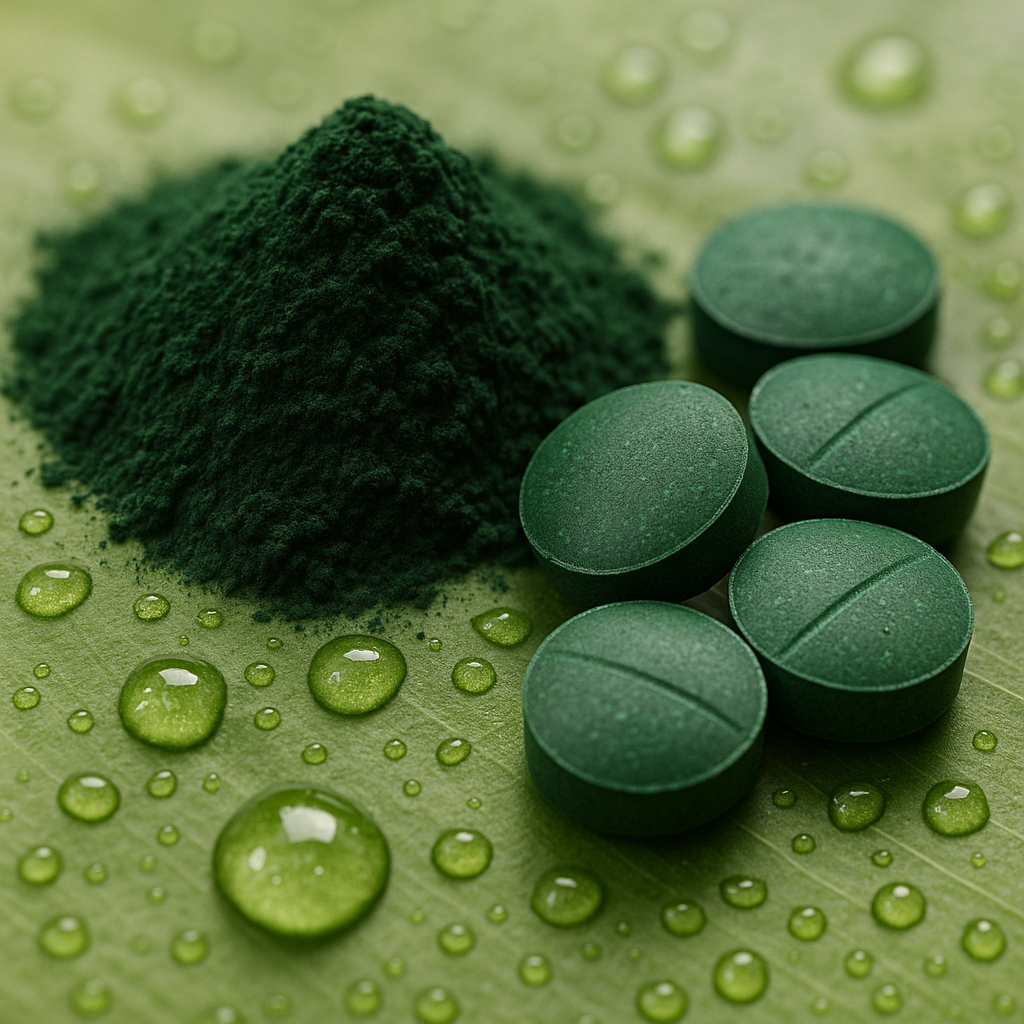
In short, spirulina remains an interesting ally for those who respect some basic precautions: quality of the source, gradual progression, and observation of personal reactions. In the absence of a true allergy, it is often a combination of too high a dosage and impurities that triggers skin discomfort.
FAQ
Can spirulina cause itching?
Yes, generally due to impurities or a mild histamine reaction. If it is temporary, simply reduce the dose or change the brand.
How to distinguish an allergy from a simple overdose?
Allergy is often accompanied by hives, swelling, and sometimes breathing difficulties. Overdose mainly manifests as digestive troubles and localized redness.
What is the right dosage for a beginner?
Start at 1 g per day for two weeks, then gradually increase up to a maximum of 5 g depending on tolerance.
What to do in case of a severe reaction?
Stop spirulina immediately and consult a doctor. In case of Quincke’s edema, call emergency services (15) without delay.
Does the quality of spirulina really impact side effects?
Absolutely; an uncontrolled product may contain toxins or heavy metals, the main causes of irritation and itching.