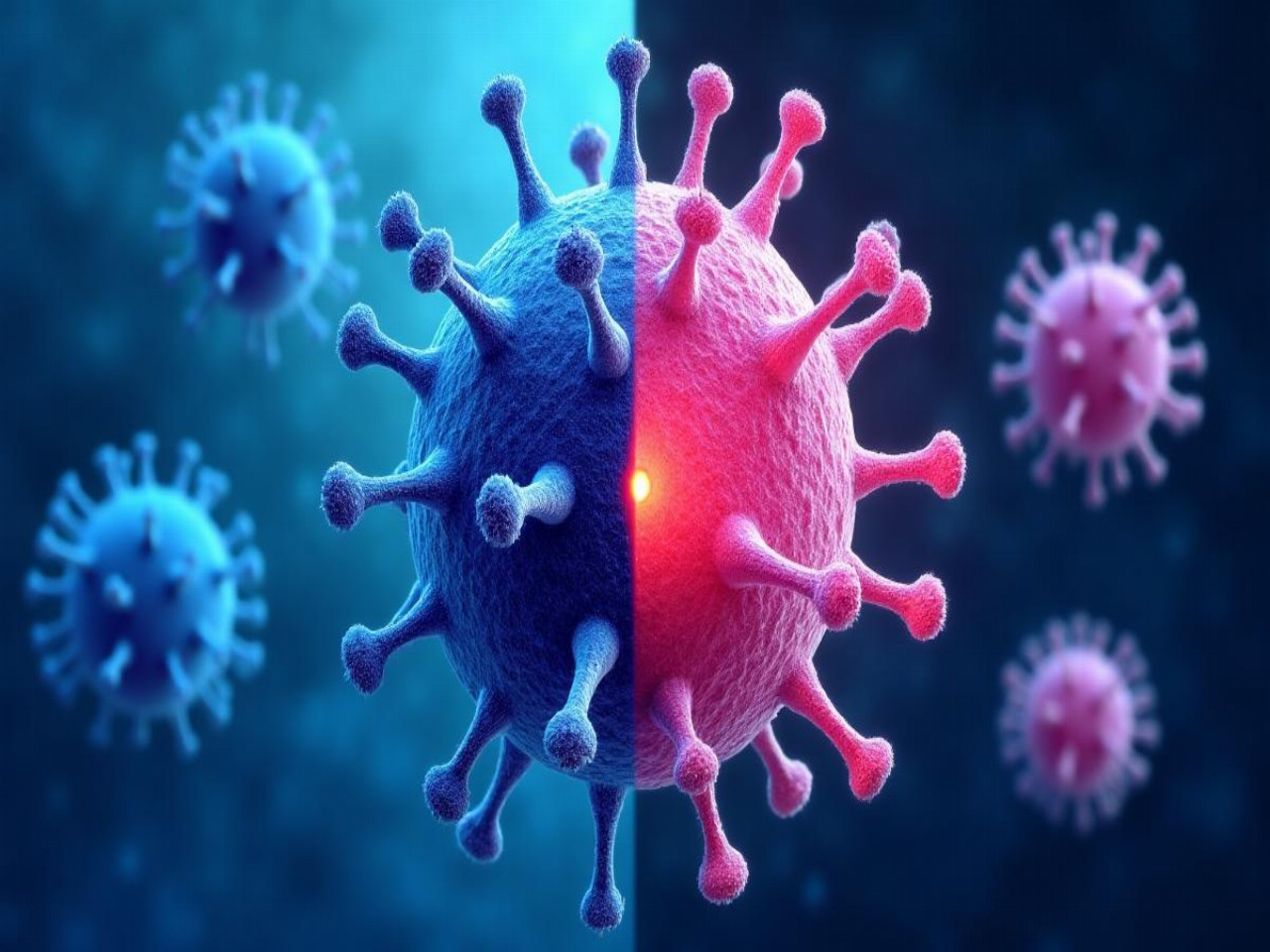
The Coxsackie B virus is part of the enterovirus family suspected of triggering or accelerating type 1 diabetes, an autoimmune disease resulting from the destruction of pancreatic β cells. For several decades, clinical observations and experimental studies have woven a link between these viral infections and the onset of diabetes in children and young adults. But should we therefore speak of causality? This article reviews the biological mechanisms, epidemiological data, and prevention challenges to determine whether the viral hypothesis really holds up.
🙂 Coxsackie B belongs to the enterovirus family, transmitted via the oro-fecal route and sometimes responsible for myocarditis or meningitis.
⚡ Type 1 diabetes results from an autoimmune attack on pancreatic β cells, with a possible triggering role of the virus via molecular mimicry.
🔬 Animal tests and human case series identify a correlation between prior infection and diagnosis, but causality remains to be established.
💉 Vaccination against enteroviruses and early screening are avenues explored to prevent post-infectious diabetes.
Sommaire
I. Introduction
Discovered in the 1940s, the Coxsackie B group includes five enterovirus serotypes (CVB1 to CVB5) known for their ability to infect various human cells. Researchers quickly noted cases where, after a symptomatic or silent infection, some patients developed type 1 diabetes in the following months. The link is intriguing because it could reveal an environmental trigger alongside genetic predisposition. The aim of this article is to explore current hypotheses, examine scientific evidence, and analyze implications for diagnosis and prevention.
II. The Coxsackie B Virus: What Is It?
Enterovirus Family
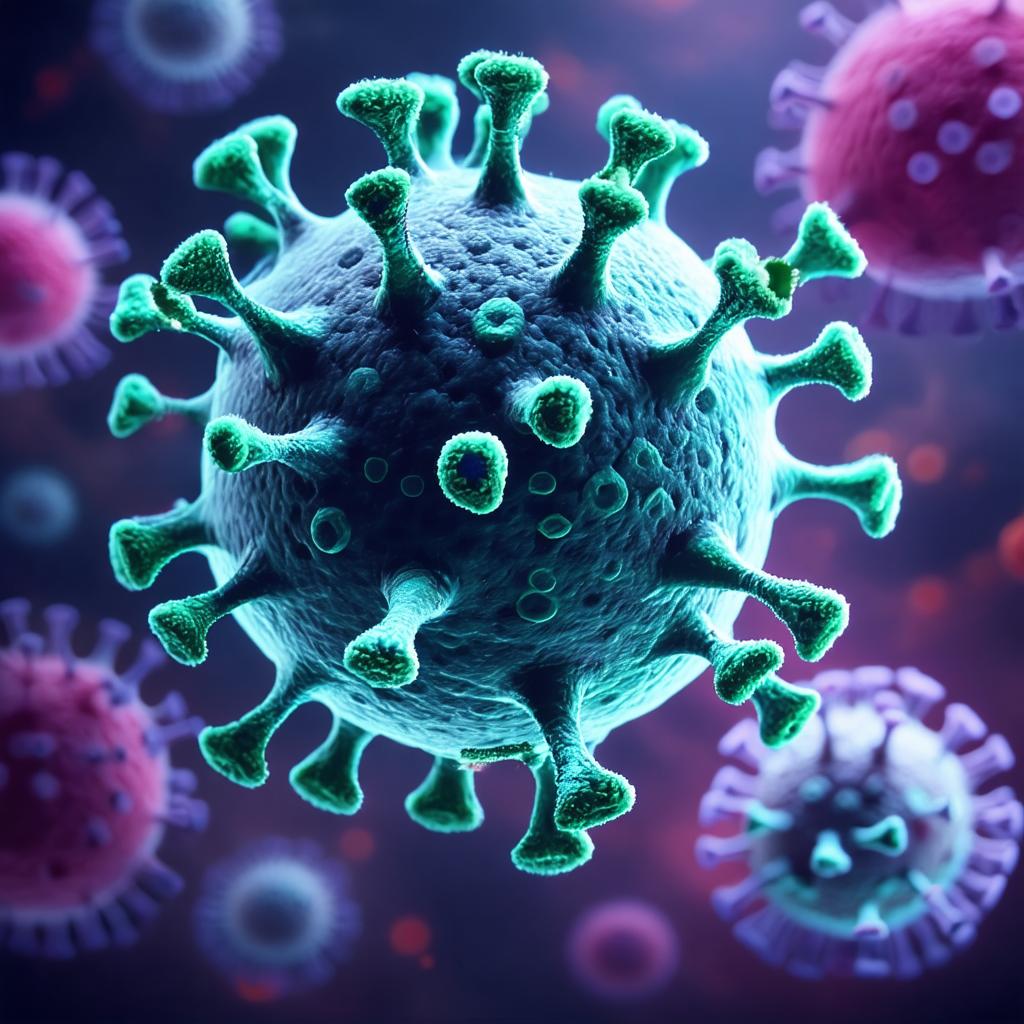
Coxsackie B viruses are part of the Enterovirus genus, Picornaviridae family. Characterized by an icosahedral capsid and a single-stranded RNA genome, they first replicate in the digestive tract before spreading to target organs. According to Inserm, their robustness in the external environment explains their wide circulation.
Modes of Transmission
Infection mainly occurs via the oro-fecal or respiratory route. A sick person can contaminate those around them through droplets, objects, or contaminated hands. Epidemics often occur at the end of summer and beginning of autumn, periods when young children are most exposed.
Clinical forms
- Asymptomatic in nearly 80% of cases.
- Benign respiratory manifestations.
- Episodes of fever and abdominal pain.
- Cardiac complications (myocarditis) or neurological (meningitis).
The diversity of clinical forms sometimes makes the infection unrecognized, complicating the direct link with distant complications such as diabetes.
III. Type 1 diabetes: pathophysiological reminder
Pancreas function
The endocrine pancreas secretes several hormones including insulin, produced by the beta cells of the islets of Langerhans. This hormone regulates blood sugar by promoting glucose storage in the liver and muscles.
Autoimmune destruction of beta cells
In type 1 diabetes, the immune system mistakenly identifies beta cells as foreign, progressively destroys them, and causes a total insulin deficiency. This autoimmune process is complex, involving cytotoxic T lymphocytes, anti-insulin antibodies, and anti-GAD65 antibodies.
Genetic background and triggering factors
Genes of the HLA complex (notably HLA-DR3 and DR4) represent the main risk factor. However, the presence of these genes alone does not explain the onset of diabetes in all carriers, which directs research towards environmental factors such as enteric viruses, nutrition, or the microbiota.
IV. The link between Coxsackie B virus and type 1 diabetes
Molecular mimicry hypothesis
The central hypothesis is based on molecular mimicry: certain viral proteins of Coxsackie B would share epitopes with proteins of beta cells. The immune system, while attacking the virus, would then target the pancreatic islets. This theory, proposed since the 1990s, is supported by the identification of a sequence similarity between the VP1 protein of the virus and the GAD65 of beta cells.
Studies in animals and humans
Mouse models (NOD mice) experimentally infected with Coxsackie B develop autoimmune diabetes more often than uninfected mice. In humans, longitudinal studies show an increase in the prevalence of anti-CVB2 and CVB4 antibodies in children followed before and after diabetes diagnosis (PubMed).
| Study | Population | Type of infection | Result |
|---|---|---|---|
| Smith et al., 2016 | 200 children at genetic risk | CVB4 | Doubling of diabetes risk after infection |
| Tanaka et al., 2019 | 120 new patients | CVB1 | Elevation of antibodies pre-diagnosis |
Cases of prior infections followed by diabetes diagnosis
Several case series report the appearance of hyperglycemic symptoms in the weeks following a Coxsackie B infection. These clinical observations alone do not prove causality, but they reinforce the viral hypothesis. Serological monitoring would better define the delay between primary infection and autoimmune onset.
Focus on children and young adults
The incidence of type 1 diabetes is highest before 15 years old. In this group, the still immature immune system and early exposure to enteroviruses create a favorable environment. Furthermore, the more permeable intestinal barrier in children could facilitate viral dissemination.
V. Controversy and Limitations of Research
Even though the correlation between infection and diabetes is strengthening, proof of causality is still lacking. Bradford Hill’s criteria remind us that a strong association, a precise temporal relationship, and a plausible mechanism are necessary but not sufficient to establish a direct cause. Some studies have not found anti-CVB antibodies before diagnosis, and the role of other viruses (mumps, rubella) remains suggested.
The often asymptomatic nature of infections complicates the collection of reliable data. Moreover, selection biases — children already monitored by Diabetes cohorts — can skew the results. Research also struggles to isolate the viral effect from confounding factors such as diet or intestinal microbial composition.
VI. Clinical Issues and Prevention
Should Enteric Viruses Be Screened?
At this stage, no systematic screening protocol for enteroviruses is recommended in the general population. However, for children with a high genetic risk, annual serological monitoring could help detect recent viral exposure and anticipate closer follow-up.
Vaccination Prospects
The development of a multivalent vaccine against CVB1 to CVB5 serotypes is underway. Preclinical trials have demonstrated a significant reduction of lymphocytic infiltrations in the pancreas of mice. If safety and efficacy are confirmed in humans, vaccination could become a lever to reduce the risk of post-infectious type 1 diabetes.
Prevention of Post-Infectious Diabetes
Beyond vaccination, research is studying the use of targeted antiviral treatments and immune modulators to limit the autoimmune reaction. Probiotics, aiming to restore the intestinal barrier, are also under study to curb viral dissemination.
VII. FAQ
Can Coxsackie B Virus Cause Diabetes?
The relationship is plausible but not definitively proven. Studies show a strong correlation and a molecular mimicry mechanism, but certainty of causality still requires clinical trials and broader longitudinal follow-ups.
Have All Type 1 Diabetics Been Infected?
No. A significant proportion of patients have not shown antibodies against Coxsackie B. Other infectious or environmental factors may also trigger the disease.
Can This Infection Be Prevented?
Hygiene measures (hand washing, surface disinfection) reduce enteroviral transmission. Ultimately, a vaccine would represent the most effective means of prevention.
Is It Transmissible to Others?
Yes, by oro-fecal or respiratory contact. However, infections are often mild in adults. The risk of post-infectious diabetes mainly concerns individuals with a genetic predisposition.
VIII. Conclusion
Coxsackie B virus is among the most studied candidates to explain the emergence of type 1 diabetes, thanks to convincing experimental and epidemiological data. However, the absence of formal proof of causality and individual variability require caution. Continuing research on vaccines, antivirals, and serological monitoring will help confirm this hypothesis and, perhaps, prevent the onset of the disease. Meanwhile, strengthening hygiene measures and providing accurate information remain essential.