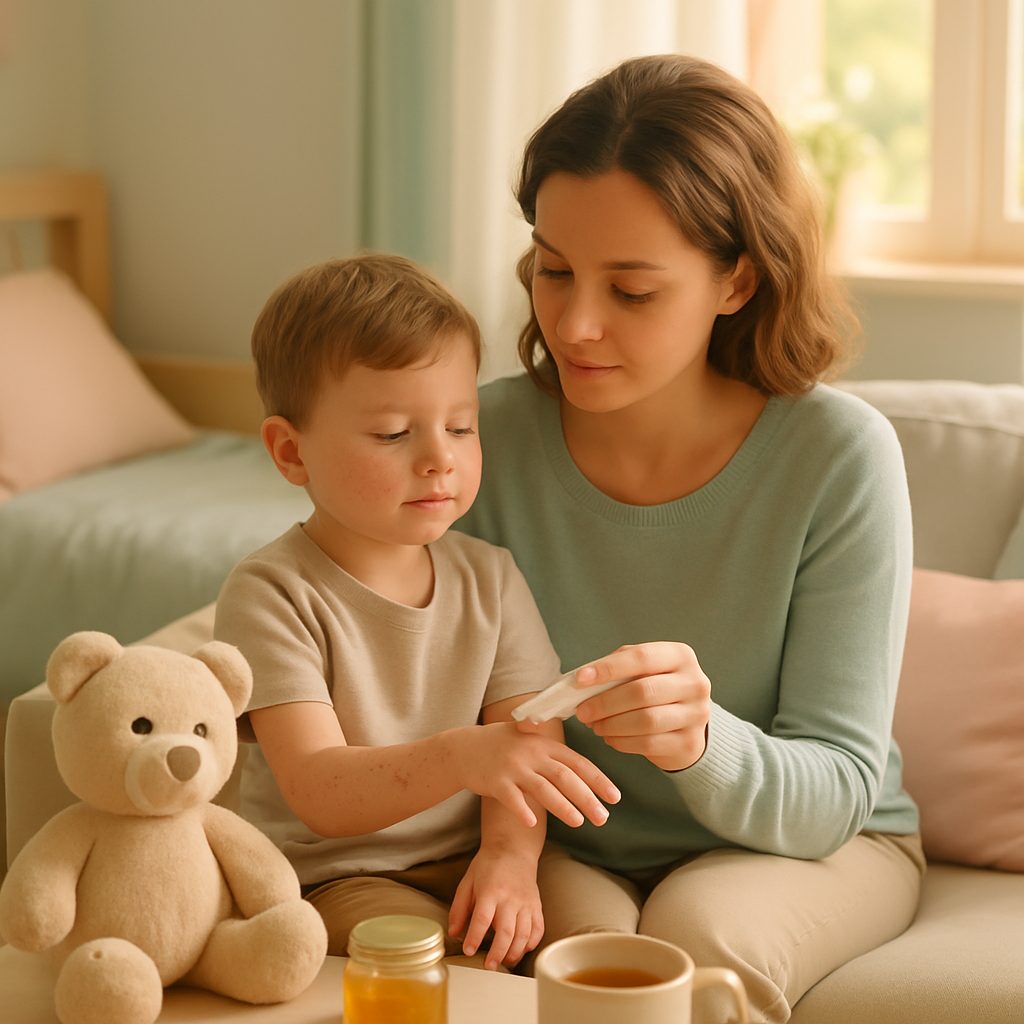
| Key points | Details to remember |
|---|---|
| 💡 Definition | Hand, foot, and mouth disease is a common viral infection in children under 5 years old. |
| 🦠 Responsible virus | Most often, Coxsackie A16 but other enteroviruses may be involved. |
| 🤒 Symptoms | Fever, oral and skin vesicles, temporary fatigue. |
| 💧 Hydration | Encourage cool liquids to prevent dehydration. |
| 🌿 Home care | Soothe pain with simple and non-medicated remedies. |
| 🚑 Medical consultation | Consult in case of persistent high fever or refusal to drink. |
| 🛡️ Prevention | Follow hygiene and isolation rules to limit contagion. |
Between discomfort and intense distress, hand, foot, and mouth disease can unsettle both parents and children. While the virus often goes unnoticed in adults, in young children it triggers fever and painful vesicles. This article explores all aspects of care: which actions to prioritize, how to adapt diet, and above all, when to go beyond self-medication and consult a professional.
Sommaire
What is hand, foot, and mouth disease?
Also called enteroviral infection, hand, foot, and mouth disease generally occurs in children under five years old. Spread by direct contact and droplets, it is easily transmitted in group settings. In reality, it is often forgotten that although the epidemic lasts about ten days, contagiousness is highest during the first days of fever.
Origin and mode of contagion
The main culprits are enteroviruses – the most frequent being Coxsackie A16. By touching a contaminated toy or sharing a glass, the infection reaches the oral mucous membranes then progresses to the skin. The incubation period lasts about three to seven days, during which the child can already spread the virus without obvious symptoms.
Recognizing the symptoms
Fever and fatigue
At first, the temperature rises suddenly, often fluctuating between 38 °C and 39 °C. Fatigue and irritability follow, making the child’s mood unstable. It is impossible to ignore a little one who withdraws into themselves or refuses their usual snack.
Skin lesions
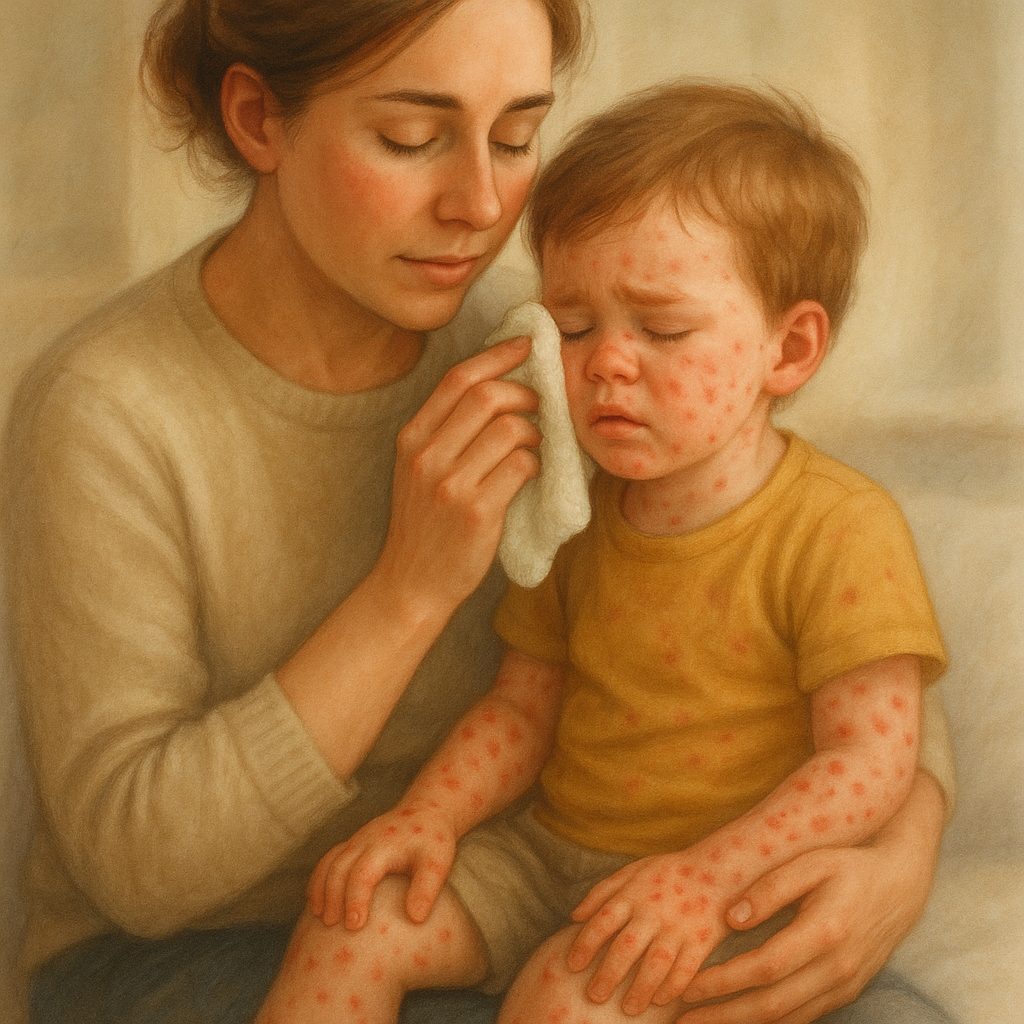
Two to three days after the fever, small red vesicles appear on the palms, soles of the feet, and sometimes the buttocks. These blisters dry up after a few days, leaving superficial crusts without causing significant scarring.
Mouth Ulcers
The mouth becomes covered with painful micro-ulcers, especially on the tongue and the inside of the cheeks. At this stage, drinking becomes difficult: the child may refuse their bottle, hesitate before water or milk, which increases the risk of dehydration.
Treatments and Home Care
Relieving Pain
Without specific antiviral treatment, management remains symptomatic. A pediatric pain reliever (paracetamol or ibuprofen depending on age) is often chosen to reduce fever and discomfort. For oral comfort, a mild mouthwash made with warm salted water can be offered as soon as the first ulcers appear.
Promoting Hydration
The priority is to maintain a constant fluid intake. Offer fresh water in small repeated amounts, non-acidic fruit purees, or homemade popsicles under supervision. Highly concentrated sugary drinks should be avoided: they can irritate already fragile mucous membranes.
Skin Care and Hygiene
Gentle cleaning with clear water is generally sufficient to prevent secondary infection of the vesicles. Apply an unscented protective cream that limits peeling. If itching is severe, a soothing gel based on aloe vera can calm the urge to scratch without irritating the skin.
When to See a Doctor?
Most cases improve favorably under home monitoring. However, certain signs should raise concern:
- Prolonged refusal to drink or repeated vomiting
- Fever above 39 °C lasting more than 48 hours
- Unusual drowsiness or severe headaches
- Onset of neck stiffness
If any of these symptoms occur, a visit to the pediatric emergency room may be necessary. It is important to rule out any neurological complications or severe dehydration.
Prevention and Practical Advice
More than lengthy explanations, strict hygiene and partial isolation (keeping the child at home during the contagious phase) limit the spread of the virus. Wash your hands after every diaper change, disinfect toys and surfaces, and avoid kissing on the face during the active period.
Measures in Group Settings
- Inform the daycare or school as soon as the first symptoms appear
- Avoid groups of more than three sick children
- Provide substitute equipment (bottles, cups) for each child
FAQ
Is hand-foot-and-mouth disease contagious before symptoms appear?
Yes, the virus is transmitted during the incubation phase, which complicates prevention.
Can antibiotics be given?
No, this is a viral infection. Antibiotics have no effect and are only considered in case of bacterial superinfection.
How long does the illness last?
Generally, ten days are enough for complete recovery, including the vesicles.