| Key Points | Details to Remember |
|---|---|
| 🧐 Definition | Inflammation of the bone covering of the shinbone |
| ⚡ Symptoms | Sharp pain along the inner side of the shinbone |
| 🎯 Causes | Muscle overuse and hard surfaces |
| 🩺 Treatments | Rest, cryotherapy, medications |
| 💪 Exercises | Stretches and targeted strengthening |
| 🛡️ Prevention | Proper shoes and gradual progression |
| ⏳ Duration | 4 to 8 weeks on average |
Periostitis, often called “shin splints,” manifests as a throbbing pain along the shin after exertion. Far from being limited to runners, it can affect any athlete or even anyone who undertakes long walks on a hard surface. This guide is for those seeking to understand the mechanisms of this inflammation and to implement an action plan to quickly soothe the pain while avoiding recurrence.
Sommaire
Recognizing the Signs and Making a Diagnosis
One morning, you lace up your running shoes and immediately feel a sharp tension inside your leg. Rather than a simple warm-up, the pain persists or even intensifies with each step. This is often the first warning. Unlike a cramp that occurs suddenly, periostitis develops gradually, as if the sheath surrounding the bone stiffens day by day.
Symptom Description
Generally noted are:
- A diffuse or localized pain on the inner side of the shinbone.
- Discomfort that increases with exertion and lessens at rest.
- Sensitivity to touch.
Unlike a stress fracture, the sensation is less abrupt but much more persistent.
Differentiating Periostitis from Other Conditions
Proper warm-up can sometimes mask the first signs, complicating self-diagnosis. The physiotherapist’s clinical tests, sometimes supplemented by an ultrasound, help confirm the inflammation. This rules out a fracture, tendinopathy, or osteochondral microtraumas.
Treatments to Relieve Pain
The most immediate remedy often consists of stopping the aggravating activity. But beware of alternating rest and overuse: too much rest without stimulation can slow healing. The idea is to wisely balance each technique.
Active Rest and Cryotherapy
Ice and gentle stretches go well together. It is recommended to:
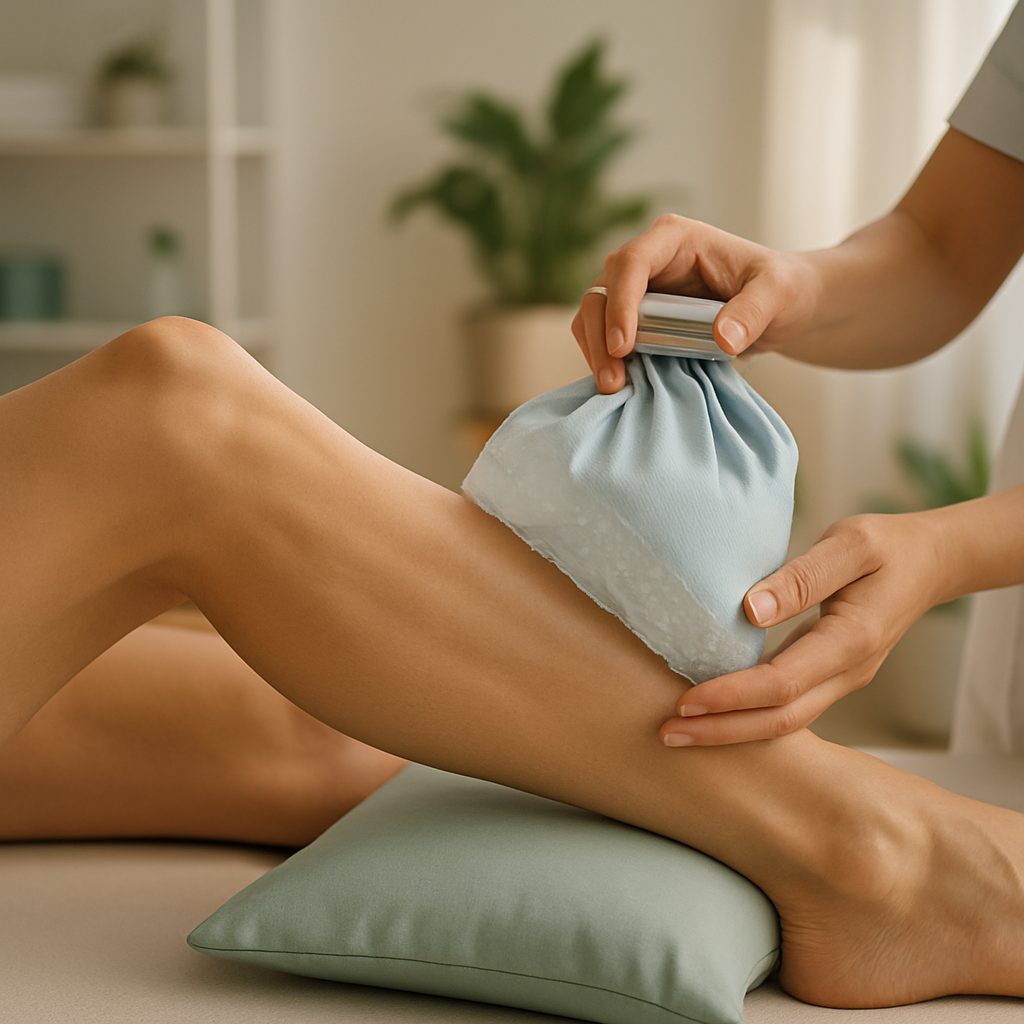
- Apply an ice pack for 15 minutes, 2 to 3 times a day.
- Alternate with light walking or cycling in recovery mode.
“Active rest” stimulates circulation without further irritating the periosteum.
Anti-inflammatory drugs and medical follow-up
A short treatment based on non-steroidal anti-inflammatory drugs (NSAIDs) can relieve pain. However, each body reacts differently. If the discomfort persists beyond two weeks despite basic care, a consultation with a specialist is necessary to adapt the management (physiotherapy, shock waves, etc.).
Exercises and stretches: strengthen to last
Strengthening the peripheral muscles reduces the strain on the periosteum. In practice, slow and controlled movements are preferred.
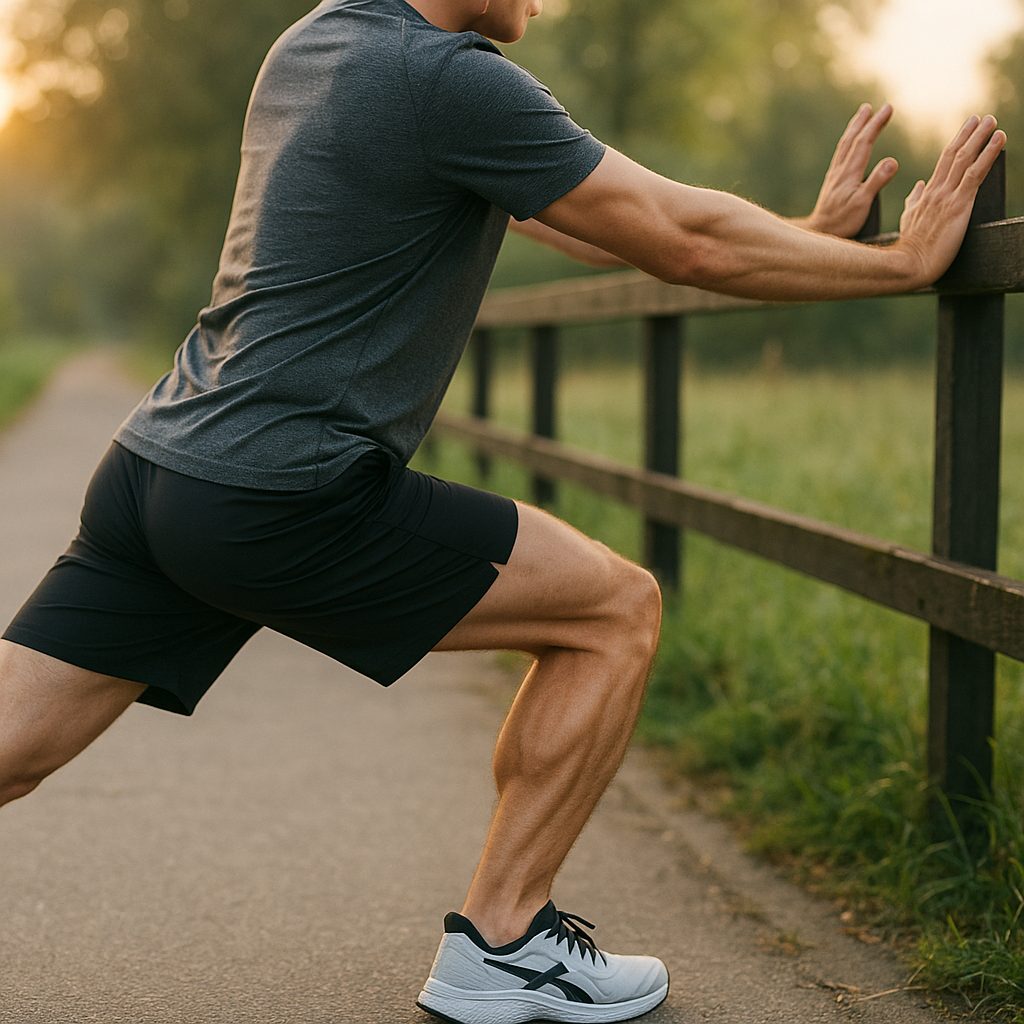
- Calf stretch against a wall: hold for 30 seconds X 3.
- Heel raises with feet flat, 3 sets of 15 repetitions.
- Side plank to stabilize the entire leg.
These exercises, performed at the gym or at home, prevent excessive irritation of the tibia. Always allow at least 48 hours between two targeted sessions.
Adapt your environment and equipment
Changing your pair of shoes can be a game-changer. Minimalist models, favoring natural contact with the ground, do not always offer the best cushioning to avoid periostitis. It is better to opt for:
- Midsole with a good cushioning/stability balance.
- Reinforced midfoot support if you have marked pronation.
As for running surfaces, prefer smooth asphalt or tartan tracks rather than sidewalks or cobblestone floors.
Prevent relapses
Periostitis, if poorly healed, can become chronic. It is recommended to:
- Gradually increase the intensity and volume of training.
- Plan a full rest day each week.
- Self-massage with a massage ball to release the anterior tibialis muscle.
By alternating between effort and recovery phases, the periosteum is preserved while maintaining physical condition.
When to alert a professional?
If the pain intensifies despite all these measures or if you notice unusual swelling, do not hesitate to consult. Persistent inflammation can evolve into tendinopathy or compartment syndrome, requiring more specialized care.
FAQ
How long does it take to heal from periostitis?
Depending on the intensity and rigor of the treatment, the timeframe generally ranges between 4 and 8 weeks. Regular follow-up optimizes the return to activity.
Is it dangerous to run despite the pain?
Continuing the effort will worsen the inflammation. Alternative low-impact activities (swimming, cycling) are preferred while reducing the pain.
Are orthopedic insoles useful?
They often improve load distribution. It is better to have them prescribed after a postural assessment performed by a podiatrist.
What signs require urgent consultation?
Intense nighttime pain, numbness of the foot, or increased stiffness are warning signs not to be ignored.