| Key Points | Details to Remember |
|---|---|
| 🍽️ Definition | Understand the principle of a slowly released sugar level |
| 🔢 Benefits | Stabilize energy and reduce cravings |
| 🌾 Selection | Choose foods with a GI below 55 |
| 🥑 Preparation | Favor gentle cooking methods and combinations |
| 🛒 List | Explore 25 often forgotten foods |
| 📊 Results | Observe better glycemic balance |
When we talk about glycemic index (GI), we often mention the same few ingredients: sweet potato, chickpeas, oats. Yet, a world of flavors remains to be explored. Adopting a low GI diet is not about following a restrictive regimen, but rather about varying your diet with sometimes lesser-known products. You will find that these foods, gentle on blood sugar, add depth and originality to your daily dishes.
Sommaire
Why adopt a low GI diet?
In reality, GI is not just about calories but about the speed at which carbohydrates are converted into glucose. Favoring foods that release sugar slowly helps maintain a longer-lasting feeling of fullness and avoid glycemic spikes. This approach is also part of a quest for overall well-being: it improves hormonal balance, reduces the risk of mid-morning cravings, and stabilizes mood. Beyond health, it provides steady energy – no more energy slumps after lunch.
How to identify low GI foods?
In practice, GI is measured on a scale from 0 to 100. Any food below 55 is considered “low GI.” To find those off the beaten path, you need to dig a little: some forgotten legumes, rare roots, or ancient varieties prove surprising. Reviewing industrial tables, comparing values, and above all tasting: this is the most reliable method to ensure that a new tuber or cereal deserves a place in your basket.
Varying colors on the plate is a good indicator: the more colorful a dish is, the more it naturally includes fibers and antioxidants, factors that lower the overall glycemic index.
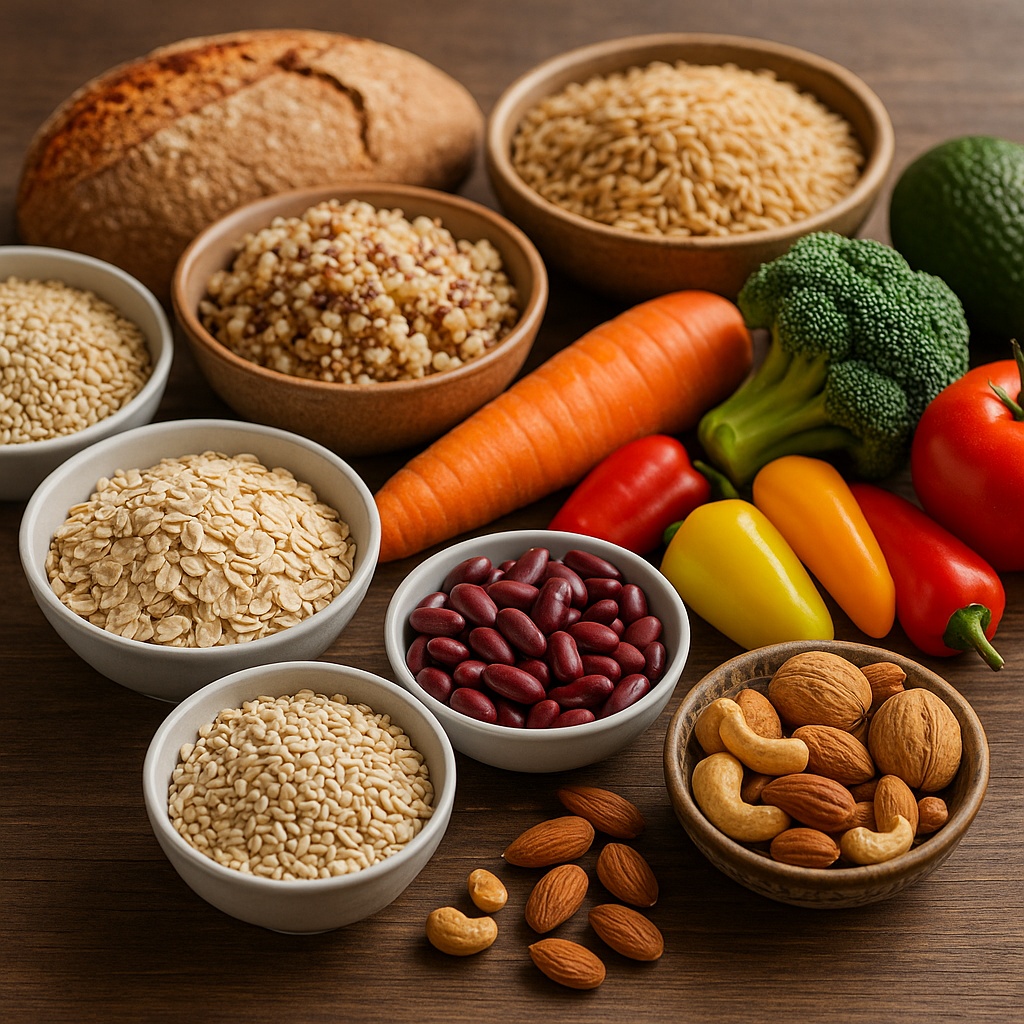
List of 25 lesser-known low GI foods
1. Roots and Tubers
- Yacon: South American tuber, very rich in fructo-oligosaccharides.
- Jerusalem artichoke: sunflower cousin, brings a slight sweetness.
- Oca from Peru: bright color, firm texture, GI around 47.
- Black radish: spicy and crunchy, ideal in julienne.
- Kohlrabi: versatile, to be enjoyed both raw and cooked.
2. Legumes & Co
- Arrow-root peas: low in protein but rich in fiber.
- Azuki bean: small red bean, estimated GI of 25.
- Black Puy lentil: firm flesh and hazelnut flavor.
- Black soybean: essential in Asian cuisine.
- Bambara pea: traditional African legume.
3. Unusual Seeds and Nuts
- Lupin seeds: very rich in protein and fiber.
- Chufa (tigernut): dried tuber, used as a drink.
- Pinhão: seed of the Portuguese stone pine.
- Teff seed: base of the Ethiopian diet.
- Brazil nut: almost zero GI, consumed in small quantities.
4. Forgotten Vegetables
- Sugarloaf escarole: sweeter than classic escarole.
- Purple kohlrabi: visual and taste twist.
- Chinese celery (kohlrabi): juicy texture.
- Pale green Savoy cabbage: fiber and crunch.
- Cardoon: winter vegetable rich in minerals.
5. Surprising Fruits
- May berries (Amelanchier): sweet and tangy flavor.
- Wild strawberries: GI around 25.
- Green Sharon kaki: picked just before ripening.
- Medlar: ancient fruit, quince scent.
- Physalis: fine acidity, moderate GI.
Table of GI of Some Foods
| Food | Approximate GI | Brief Description |
|---|---|---|
| Yacon | 37 | Sweet, rich in inulin |
| Azuki bean | 25 | Protein-rich, very fibrous |
| Oca from Peru | 47 | Firm, light texture |
| Teff | 35 | Ancient cereal, fine |
| May berries | 30 | Sweet-tart |
Tips for Integrating These Foods Daily
- Plan your week: include a tuber or a forgotten legume at each meal.
- Play with textures: combine the crunch of Chinese celery with the sweetness of oca.
- Vary cooking methods: steam, sauté, or puree to adjust the final GI.
- Create colorful salads: add some May berries to surprise your taste buds.
- Experiment with alternative flours: teff or lupin for your pancakes or homemade breads.
Frequently Asked Questions
1. How to measure the GI of a food I discover?
The glycemic index is tested under standardized laboratory conditions. In practice, we refer to tables established by research organizations or specialized apps. If a food is not listed, it is often classified by analogy to its group (roots, legumes, cereals).
2. Do all low-GI fruits suit desserts?
Not always. Some fruits like green kaki or medlar are interesting, but their total carbohydrate content can vary the overall impact on blood sugar. It is better to enjoy them as a side or in compote without added sugar.
3. Does a low GI guarantee weight loss?
A low GI diet helps regulate appetite and limit cravings, which can promote weight loss. However, caloric balance remains essential: food quality should not mask excessive intake.
4. Can multiple low GI foods be combined without risk of a blood sugar spike?
Yes, mixtures of low GI foods generally remain within the desired range. For more margin, add a source of protein or good fats (olive oil, avocado), which further slow the absorption of carbohydrates.